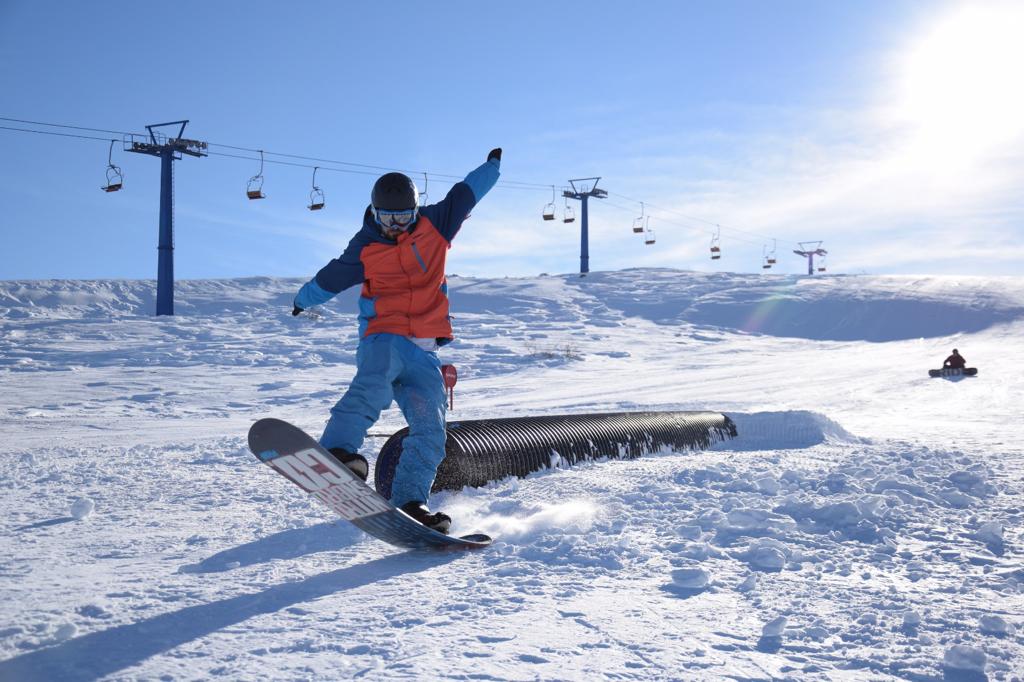
Russia’s ski resorts are undergoing a significant transformation, moving away from purely winter offerings towards year-round destinations that combine tourism, education, environmental science and corporate investment, with implications for inbound travel buyers targeting the CIS market.
A study by Russian consulting firm Strategy Partners found that all of the country’s largest ski resorts now operate across all seasons, with around 65% of smaller resorts also active in the off-season. Average annual occupancy at major resorts such as Sochi and Manzherok exceeded 60% of room stock in 2024-2025, driven by demand outside the traditional ski window.
Booking data from Yandex Travel shows hotel and apartment reservations at Russian ski resorts rose 20% in 2025 compared to the previous year. Summer bookings near mountain resorts were up 28% year on year, with Krasnodar Krai the most popular destination.

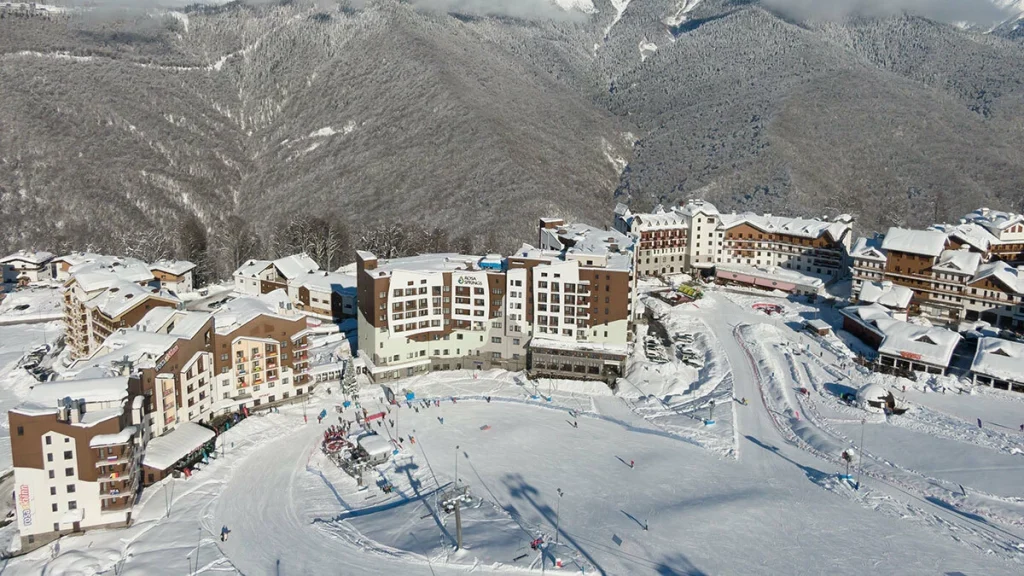
The Rosa Khutor resort near Sochi recorded around 2mn visitors annually, including 1mn visits during the 2025 summer season alone. The resort is now central to a wider development partnership between investment group Interros, the Sirius federal territory and the Talent and Success Foundation, which plans to integrate scientific research, ecological trails and educational programmes into the mountain cluster.
Projects include restoring the chestnut tree population in the Caucasus Mountains, monitoring recreational impact on ecosystems and training tourism personnel. Scientists from Sirius University of Science and Technology are involved alongside other research institutes.
“The Sirius area, its access to the sea and mountain cluster, should become a unified mountain-climatic, tourist and economic resort for the development and support of environmental and educational projects,” said Sergey Batekhin, chief executive of Interros.
The Russian government has allocated approximately RUB400bn ($4.4bn) for tourism development over the next five years, with a focus on clusters near five sea basins and Lake Baikal. Preferential lending is available for hotel, amusement park, water park and ski infrastructure projects.
In Sheregesh, Kemerovo Oblast, summer visitor numbers grew from 206,000 in 2022 to over 350,000 in 2025 following investment in year-round infrastructure. A new complex accommodating more than 1,500 people is under construction. At Arkhyz, tourist flow from June to November rose 20% against the same period in 2024.
The Three Volcanoes project in Kamchatka will add a health and rehabilitation complex, convention centre and museum spaces alongside ski infrastructure.
Climate change is a significant factor. In the Swiss Alps, average snow depth has fallen by around 8 cm per decade since 1962, a trajectory that Russian operators are watching. Ecotourism is forecast to grow 15% annually by 2030, according to Grand View Research, and mountain destinations are considered well-positioned to capture that demand.
For DMOs and tour operators covering the CIS region, the shift towards science-integrated, all-season cluster models represents a structural change in how Russian mountain destinations are being marketed and developed, with growing relevance for educational, MICE and eco-segment buyers.