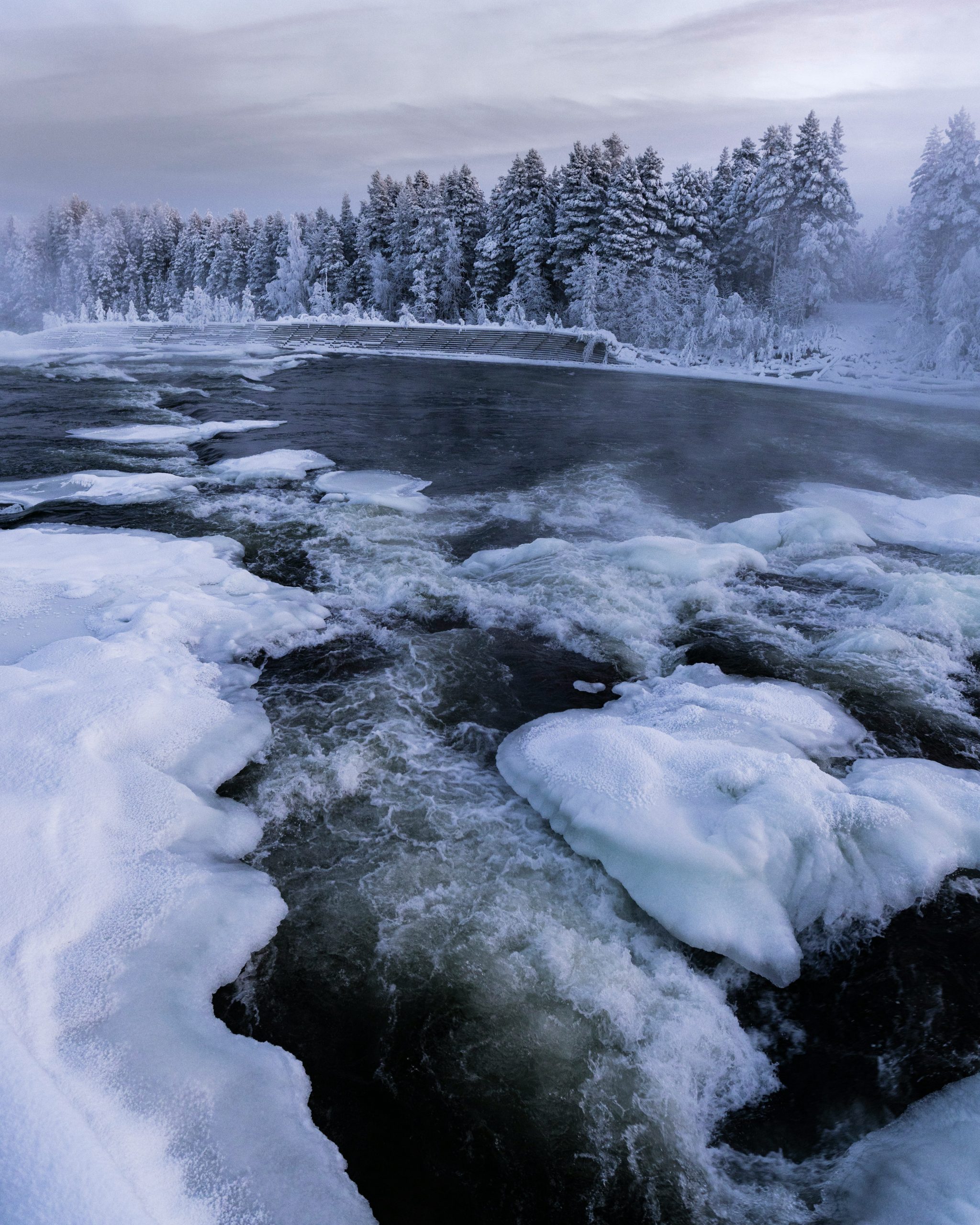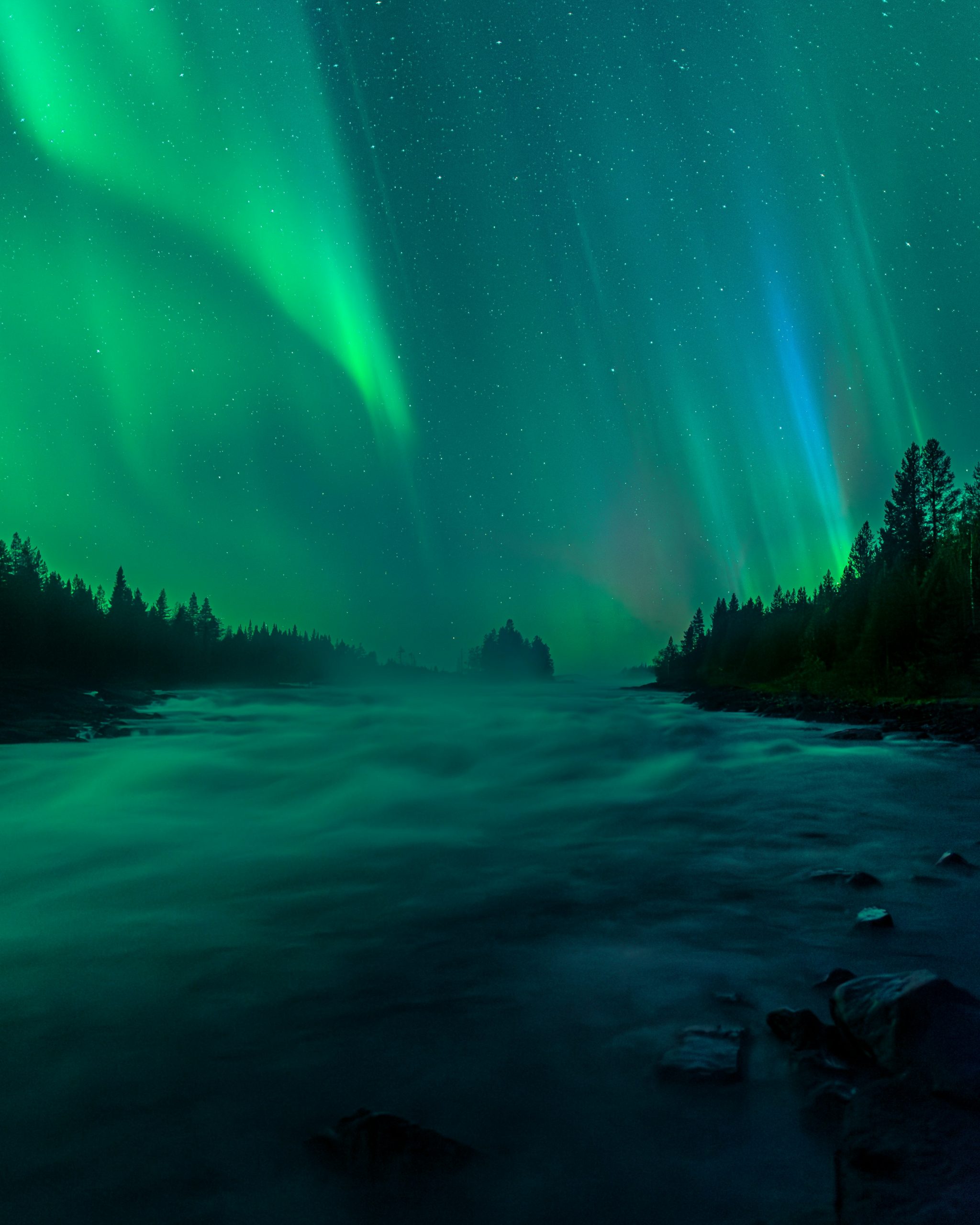
Arctic Sweden targets responsible growth as winter capacity tightens. The area covers a quarter of Sweden’s landmass and is advancing a controlled tourism growth model built on sustainability standards and premium experiences, with peak-season bed shortages prompting a push for responsible hotel investment north of the Arctic Circle.
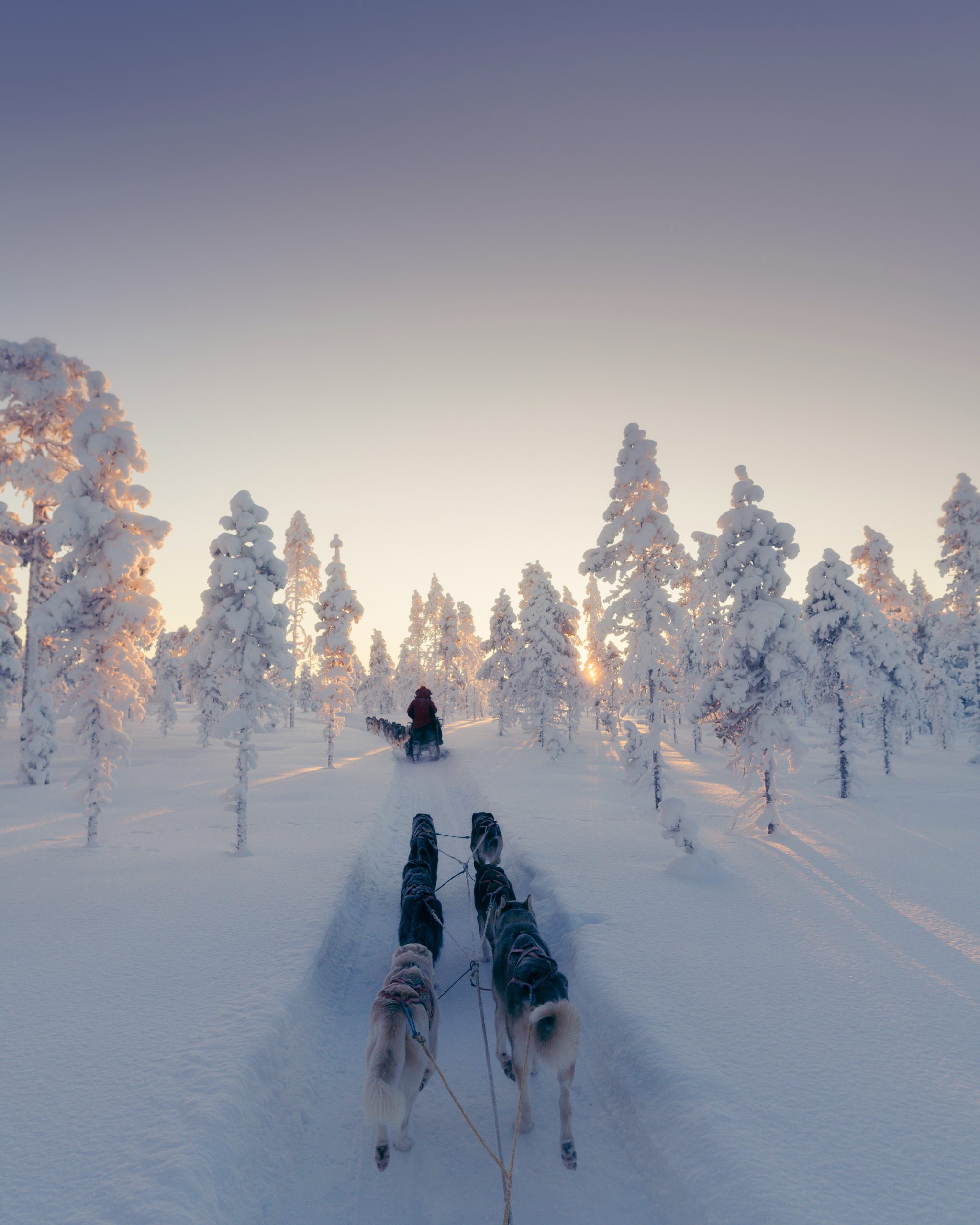
The region, home to roughly 250,000 people, draws its strongest international demand between September and March, when visitors from Germany, the United Kingdom, France, Italy, the Netherlands and the United States travel primarily for Northern Lights experiences, ice-based activities and small-group guided adventures.
Winter bed capacity during peak season falls short of demand in several locations, and the region is progressing the AHEAD initiative — Accelerating Sustainable Investment and Export of Arctic Destination Hotels — to address the gap through development aligned with environmental and community standards.
“Winter demand, particularly around the Northern Lights season, continues to exceed available capacity in several destinations. Our focus now is to grow responsibly — adding the right type of accommodation and extending demand into shoulder seasons,” David Lind Traveltrade manager at Arctic Sweden Visitors Board.
The region operates under a shared sustainability agenda, Care for the Arctic, which brings together tourism businesses, municipal authorities and visitors around the UN’s Agenda 2030 and EU sustainability principles. The stated goal is to become the world’s most responsible Arctic destination.
Arctic Sweden collaborates with Northern Norway and Finnish Lapland through the Arctic Europe Tourism Cluster to strengthen long-haul market access and shared positioning across the three countries.
Season extension is a stated priority. Summer travel is growing among domestic Swedish visitors and Central European outdoor markets, while culinary tourism is being developed through the Polarterroir initiative and Norrbottnian food routes as a motivator for international travel.
Kiruna, Sweden’s northernmost city and a main gateway to the region, has been named European Capital of Culture 2029, adding a cultural and creative dimension to the destination’s international profile.
“Arctic Sweden is not competing on volume. We compete on experience quality, authenticity and long-term sustainability. That approach has allowed us to grow steadily without compromising the Arctic environment that our product depends on,” Andreas Cederlund, Head of Promotion & PR at Arctic Sweden Visitors Board.