
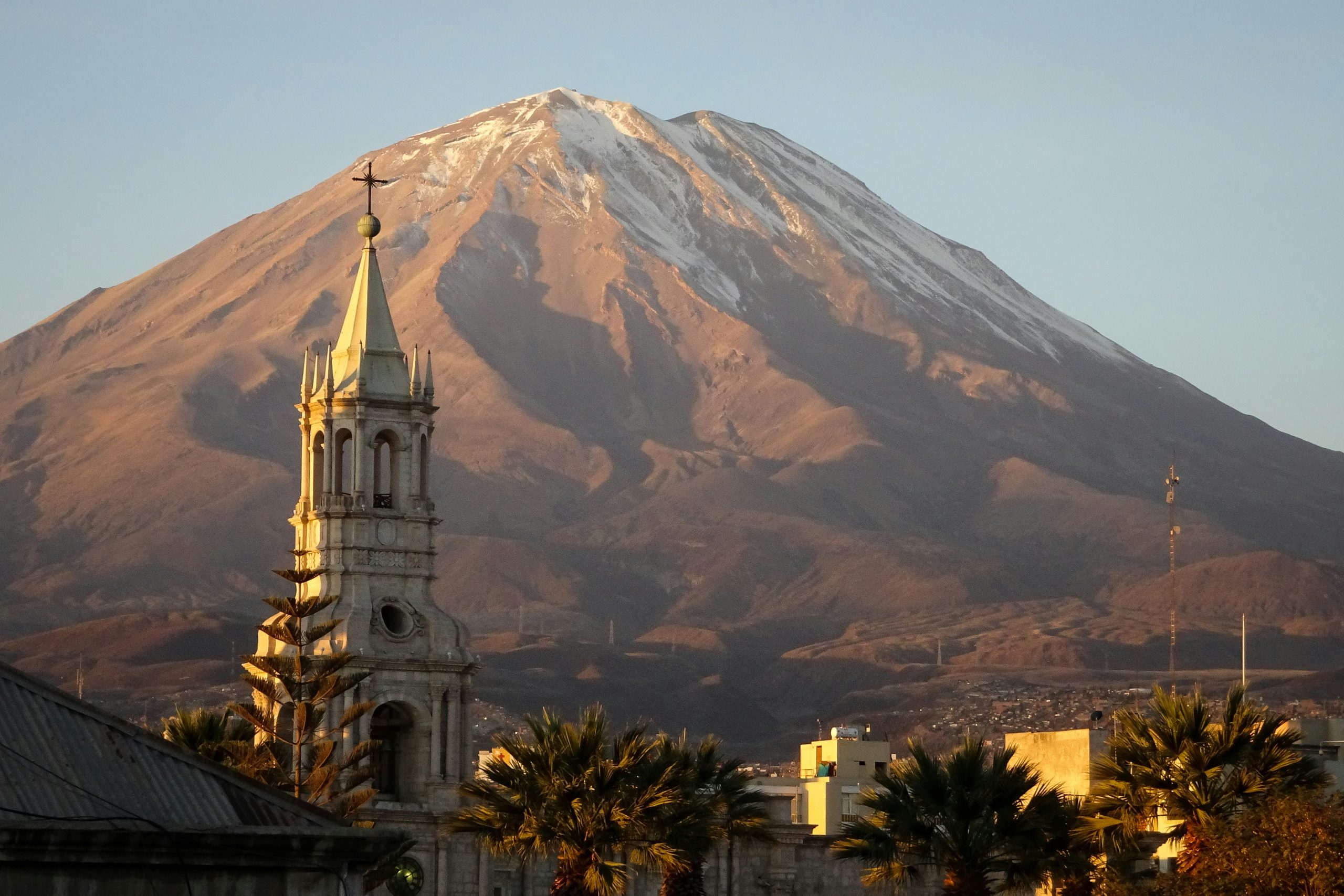
Arequipa in Peru is drawing increased attention from international tour operators as demand grows for culturally rich secondary cities beyond Lima and Cusco.
Located in southern Peru at the foot of the Andes, Arequipa is known for its historic centre built from white volcanic stone, earning it UNESCO World Heritage status. Travel advisors point to its architectural heritage and lower visitor density as key factors behind renewed interest from long-haul markets.
The city’s positioning within wider itineraries has also evolved. Operators are incorporating Arequipa as a gateway to the Colca Canyon, one of the deepest canyons in the world, while also promoting longer stays within the city itself. Walking tours, culinary experiences and visits to religious landmarks are being highlighted as core elements of the offer.
Hospitality supply in Arequipa has shifted towards smaller-scale properties, including restored colonial buildings adapted into boutique hotels. Industry sources say this aligns with traveller preferences for accommodation that reflects local identity rather than standardised formats.
Air connectivity remains a consideration, though domestic links between Lima and Arequipa have improved frequency in recent years. Travel planners note that easier access has supported multi-stop itineraries across Peru, encouraging visitors to extend their stay beyond traditional routes.
Culinary tourism is emerging as a further driver. Arequipa is recognised for its regional cuisine, with traditional picanterías attracting both domestic and international visitors. Food-led itineraries are increasingly being integrated into broader cultural programmes.
Peru’s tourism authorities continue to promote diversification of visitor flows, with Arequipa identified as a key destination to support more balanced regional development.