
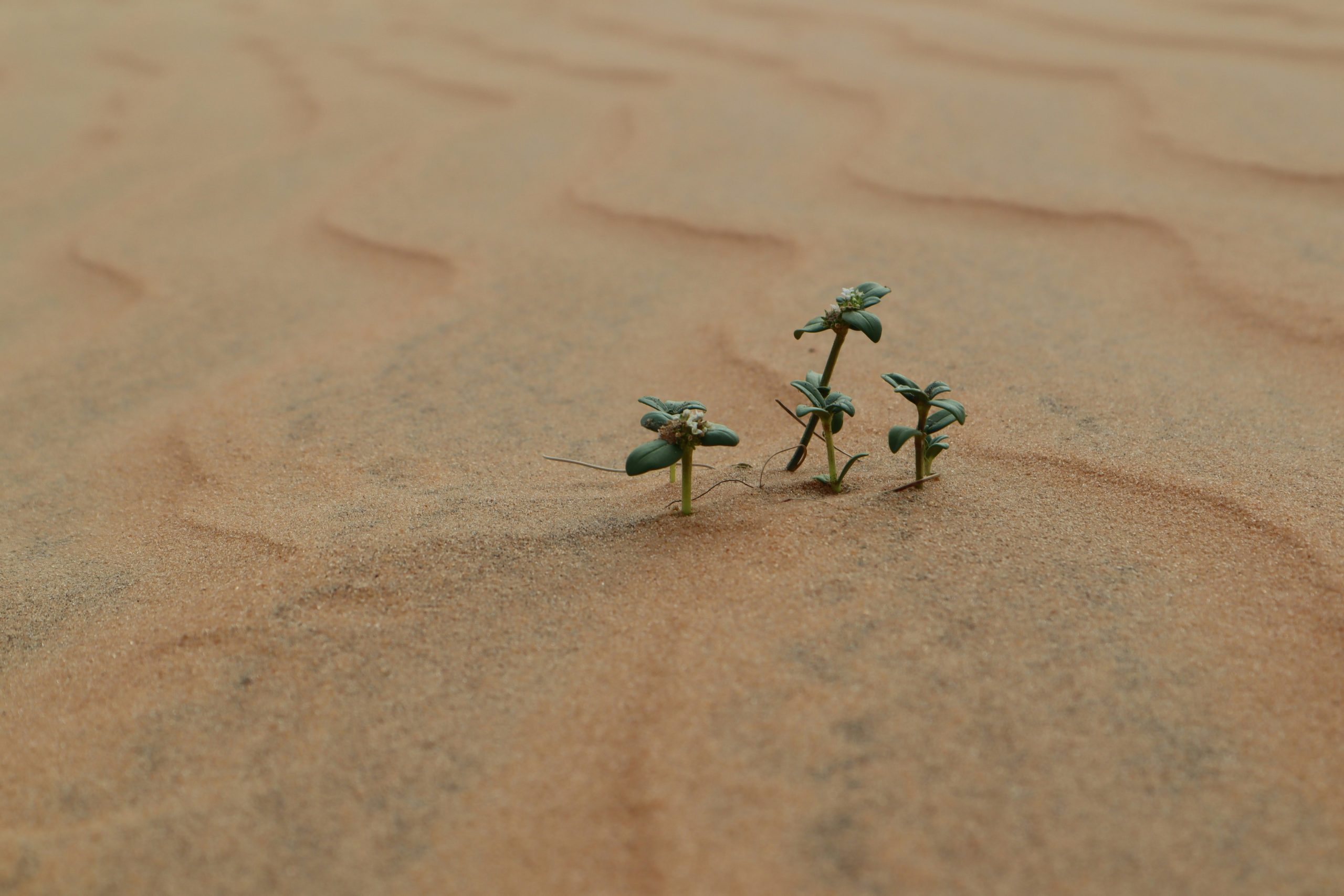
Most people do not associate Senegal with desert. They should.
The Lompoul Desert is a small desert of around 18 square kilometres located 145 kilometres south of Saint-Louis, characterised by orange sand dunes that recall the landscapes of the Sahara and Mauritania rather than anything else on Senegal’s Grande Côte. It sits roughly midway between Dakar and Saint-Louis — close enough to the Atlantic that on a clear morning, the sea air drifts in across the dunes.
That contrast is the thing. Within a single day, a traveller can stand on wind-sculpted orange dunes, swim in the ocean and walk the colonial streets of Saint-Louis. Few destinations in West Africa compress such geographic variety into so short a distance.
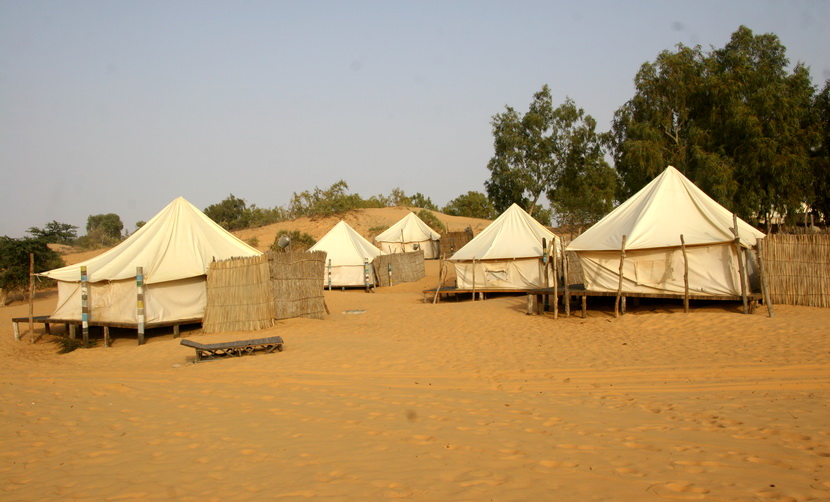
The draw for overnight visitors is the desert camp experience. Camps set up Mauritanian-style tents in the dunes, offering camel rides, fireside dinners and evening performances of djembe and traditional music under a sky free of light pollution. Several operators run fixed camps with restaurant facilities; the more established sites fill quickly during peak season and advance booking is recommended.
The best months to visit are November to March, when temperatures range from around 15°C at night to 30°C during the day. Summer months can see daytime highs above 40°C.
Since 2009, the Festival du Sahel has taken place in the desert annually, bringing music to the dunes and drawing visitors who combine it with the broader Saint-Louis jazz circuit. The surrounding Fulani villages offer a further dimension for travellers interested in rural West African life beyond the resort coast.
One tension worth noting: parts of the Lompoul desert and its surrounding coastal strip have been affected by heavy mineral sands mining for zircon, ilmenite and rutile, under a concession operated by the French company Eramet through its subsidiary Eramet Grande Côte, in which the Senegalese government holds an indirect equity stake. The long-term impact on the landscape and the tourism offer it supports remains a live concern for local operators.
Dakar’s Blaise Diagne International Airport is the main entry point, with the desert reachable by road in under three hours.