
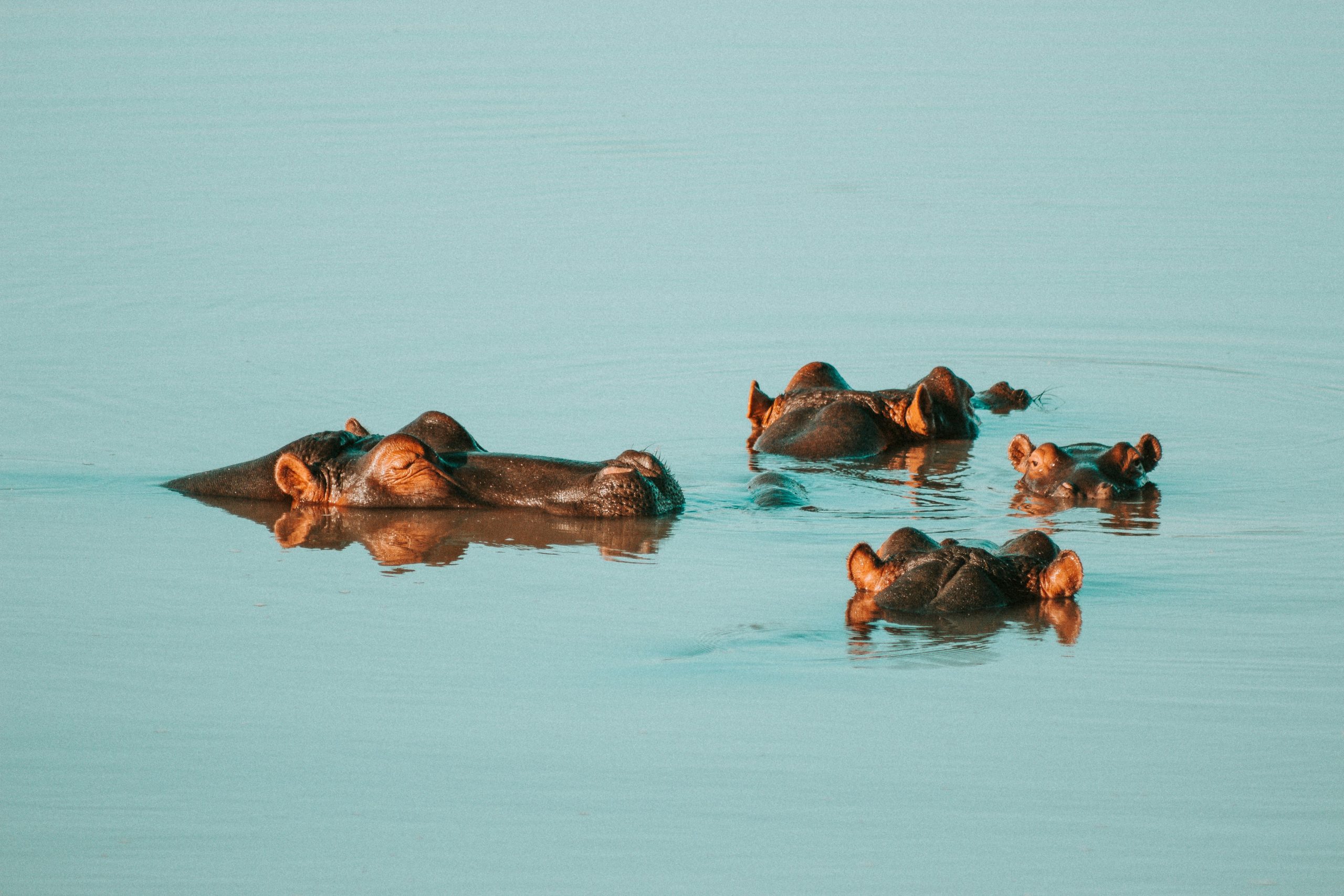
Colombia has approved a plan to euthanise up to 80 hippos roaming the Magdalena River valley, after more than a decade of failed attempts to contain a population that has grown to around 200 animals and now poses a threat to native wildlife and local communities.
Environment Minister Irene Vélez said previous methods to control the population had been expensive and unsuccessful, including neutering some of the animals and moving others to zoos. “If we don’t do this we will not be able to control the population,” she said. “We have to take this action to preserve our ecosystems.” CBS News
Implementation is due to begin in the second half of 2026, according to El Espectador. The procedure includes chemical and physical euthanasia and requires prior confinement of the animals. The cost per hippo can reach up to $14,000, including sedation, the operation and on-site burial.
On April 13, Colombia’s Ministry of Environment approved the euthanasia of more than 80 hippos comprising the invasive population, with an investment of 7,200mn Colombian pesos, delegating implementation to regional autonomous corporations.
Colombia is the only country outside Africa to host the semiaquatic mammal. Four hippopotamuses were introduced by drug lord Pablo Escobar in the 1980s for his private zoo at Hacienda Nápoles, a ranch in the Magdalena River valley. Their numbers swelled after Escobar died in 1993.
One of the main obstacles to international relocation is the genetic deterioration of the animals. All current hippos descend from just four individuals. “The gene pool is too limited, and individuals with mutations have already been found,” Vélez said. “There are visible deformities, such as in the snout, and probably other genetic damage.”
The hippos have also become a tourist attraction. Residents of villages surrounding Hacienda Nápoles offer hippo-spotting tours and sell hippo-themed souvenirs.
Animal welfare activists have long opposed proposals to kill the hippos. Senator and animal rights activist Andrea Padilla described the plan as a “cruel” decision. “Killings and massacres will never be acceptable,” Padilla wrote on X. “These are healthy creatures who are victims of the negligence” of government entities. CNN
Independent journalist Audrey Huse previously told CBS News that the hippos kill fish and threaten endemic species including manatees, otters and turtles. “Because they have no natural predators here, as they would in Africa, the population is booming and it’s affecting the local ecosystem,” Huse said