
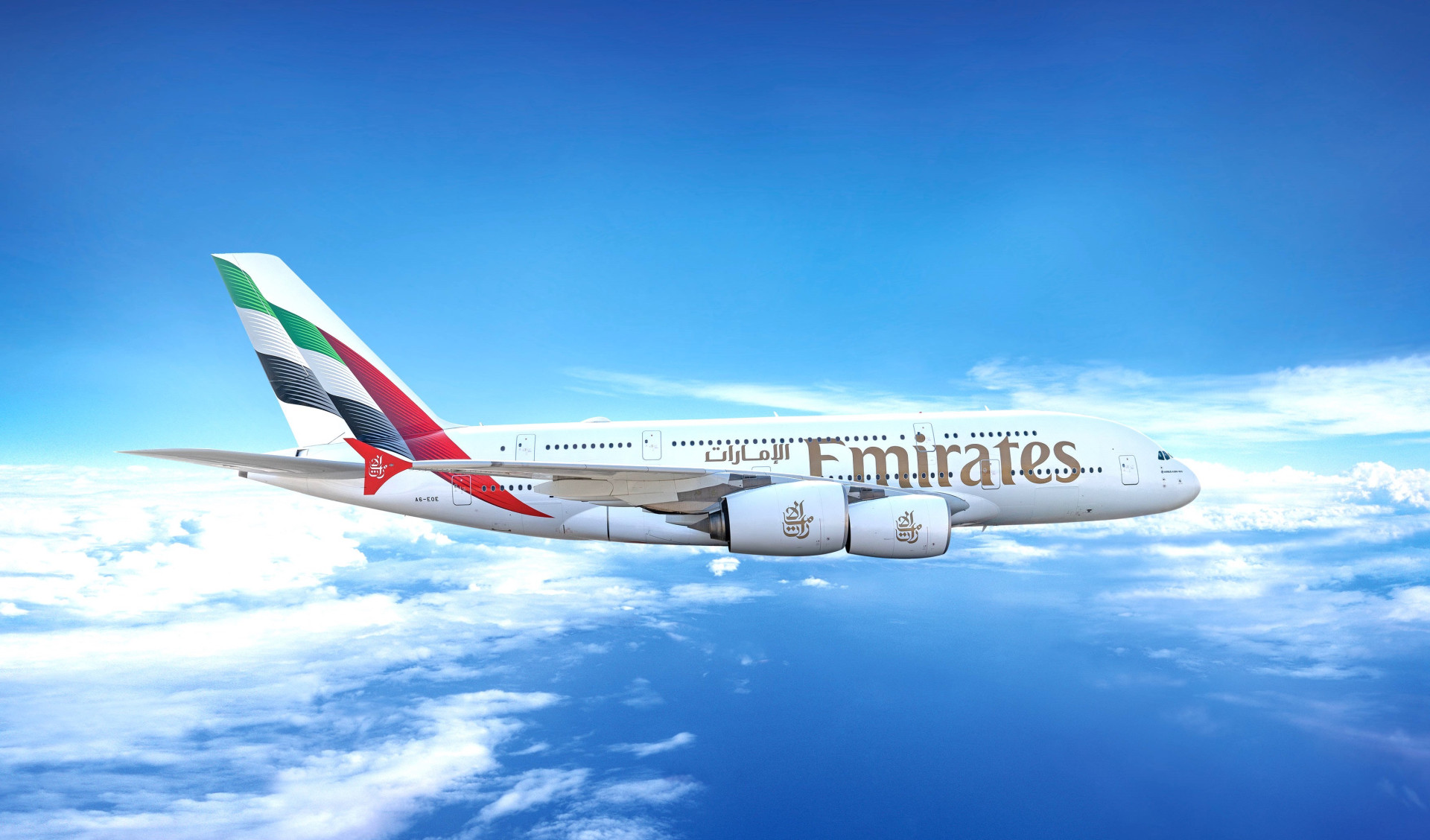
UAE flag carrier Emirates is currently operating to more than 100 destinations on a reduced schedule, the airline said in a customer advisory updated on April 29.
Our take: Emirates’ restoration of services to more than 100 destinations marks the clearest signal yet of the pace at which Dubai’s flag carrier is rebuilding its network after the US-Iran war. The carrier normally operates to around 140 destinations, meaning roughly three quarters of the network has now been reactivated less than three weeks after the April 7 ceasefire. For tour operators, MICE planners and DMCs working the Gulf, the rebooking waiver running through May 31 provides genuine flexibility, but inventory will remain tight on key routes through to early summer. The carrier’s pace of recovery sets the benchmark for the wider GCC aviation rebuild.
The Dubai-based carrier said it continued to monitor the situation and would develop its operational schedule accordingly. The safety and security of passengers and crew remained the highest priority, the advisory said.
Customers booked to travel between February 28 and May 31 are being offered the option to rebook on an alternate flight to the same destination or another destination in the same region on or before June 15, or to request a refund. Up to nine changes are permitted under the current travel waiver.
Customers booking flights from April 2 onwards will be offered one complimentary date change across all cabins. Changes must be within ticket validity, with fare difference fees potentially applicable.
Emirates City Check-in points in Dubai and Ajman remain temporarily closed. In-person support is available at the Emirates Reservations and Ticketing desk at Terminal 3, Dubai International Airport, at Emirates World in Jumeirah Town Centre and at the Emirates Group Technology Centre in Deira.
Emirates normally operates to around 140 destinations across six continents in its pre-conflict full schedule, making it one of the world’s largest international long-haul carriers by network reach.
The schedule recovery follows the outbreak of the US-Iran war on February 28 and the subsequent ceasefire signed on April 7. Regional airspace closures affecting Iran, Iraq, Israel and parts of the Persian Gulf forced widespread cancellations and reroutings across the GCC aviation network during the conflict period.
Regional carriers still chasing their talesOur take: Emirates’ restoration of services to more than 100 destinations marks the clearest signal yet of the pace at which Dubai’s flag carrier is rebuilding its network after the US-Iran war. The carrier normally operates to around 140 destinations, meaning roughly three quarters of the network has now been reactivated less than three weeks after the April 7 ceasefire. For tour operators, MICE planners and DMCs working the Gulf, the rebooking waiver running through May 31 provides genuine flexibility, but inventory will remain tight on key routes through to early summer. The carrier’s pace of recovery sets the benchmark for the wider GCC aviation rebuild.
Other regional carriers have also incrementally restored operations.
Qatar Airways resumed daily flights to Bahrain and Kozhikode in India from May 1, with Damascus also returning on the same date, while daily Dubai and Sharjah services restored on April 23. Kuwait’s Jazeera Airways resumed direct flights from Kuwait International Airport on April 27 after a 57-day closure of the country’s main aviation gateway. Russia’s Aeroflot has reopened ticket sales for UAE flights from June 1.
Emirates is wholly owned by the Investment Corporation of Dubai, the principal investment arm of the Dubai government. The carrier reported a record profit of $5.2bn in the year to March 2024 and has been a major investor in fleet renewal, with significant orders for the Boeing 777X and Airbus A350 programmes.
The disruption to Gulf aviation has fed into wider economic effects across the region. The World Travel & Tourism Council estimated potential losses of up to $600mn for the Middle East tourism industry from the war, although recovery from previous crises had typically seen demand rebound within two months of stabilisation.