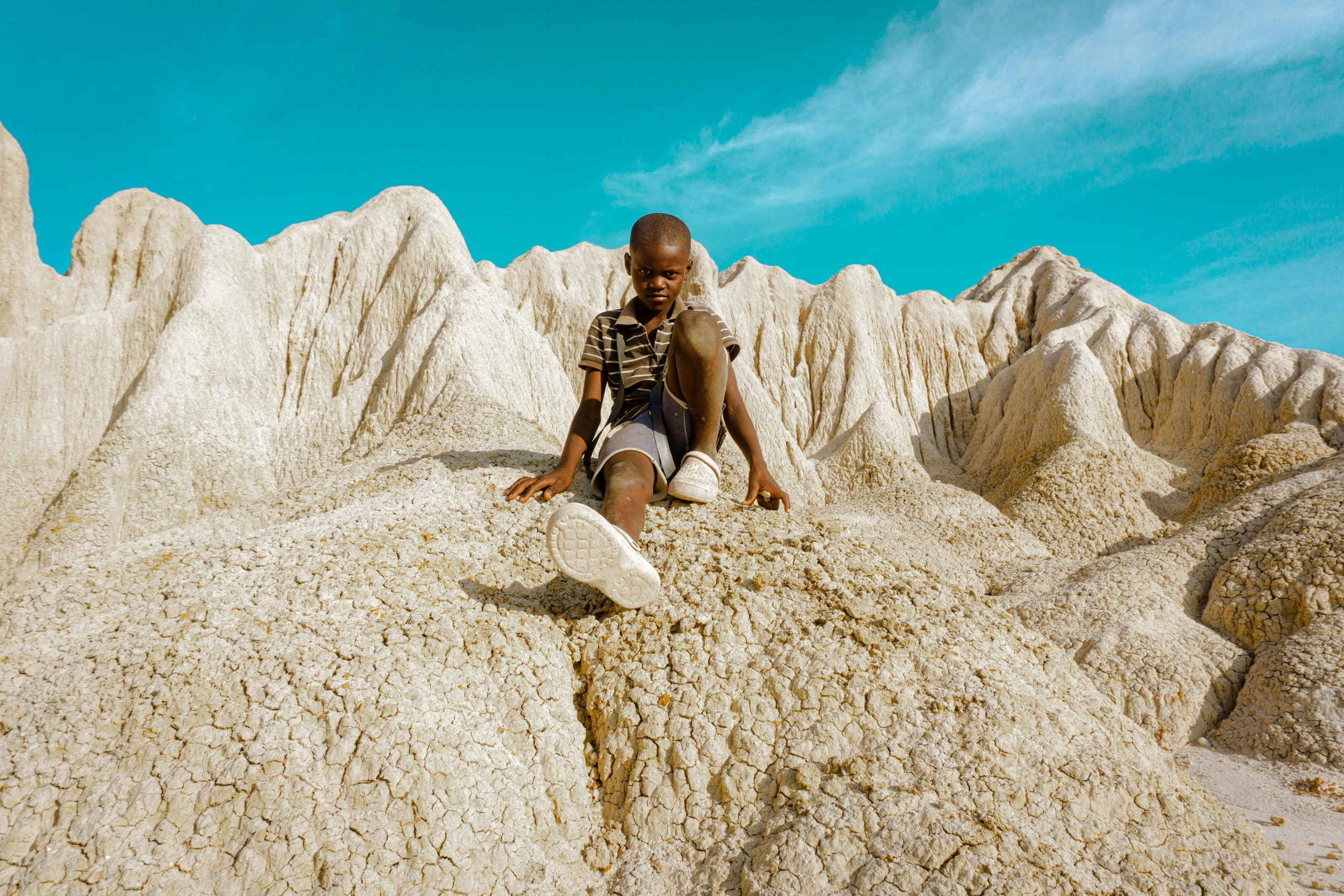
Luanda, Angola’s Atlantic-facing capital and one of Africa’s most populous cities, is emerging as a destination of genuine interest to international travellers and investors as the country presses ahead with a $3bn tourism investment drive and positions its long-overlooked coast, wildlife reserves and colonial heritage as the core of a post-oil economic future.
Angola recorded 863,872 international tourist arrivals in 2023, an 87.4% increase on the previous year, placing it among the fastest-growing destinations on the continent. International arrivals now stand at around 129,000 per year on a sustained basis, still modest by African standards, but the government’s Strategic Tourism Plan for 2024 to 2027 targets a meaningful increase in visitor flows, GDP contribution and sector employment. Under the National Tourism Plan, known as PLANATUR, the government aims to double tourism revenues by 2027, create around 50,000 new jobs and raise the sector’s contribution to GDP to 1.9%, supported by nearly 7 trillion Angolan Kwanza (AOA), approximately €8.23bn, in development and infrastructure investment, alongside an annual AOA20bn (€23.5mn) support programme for private tourism providers.
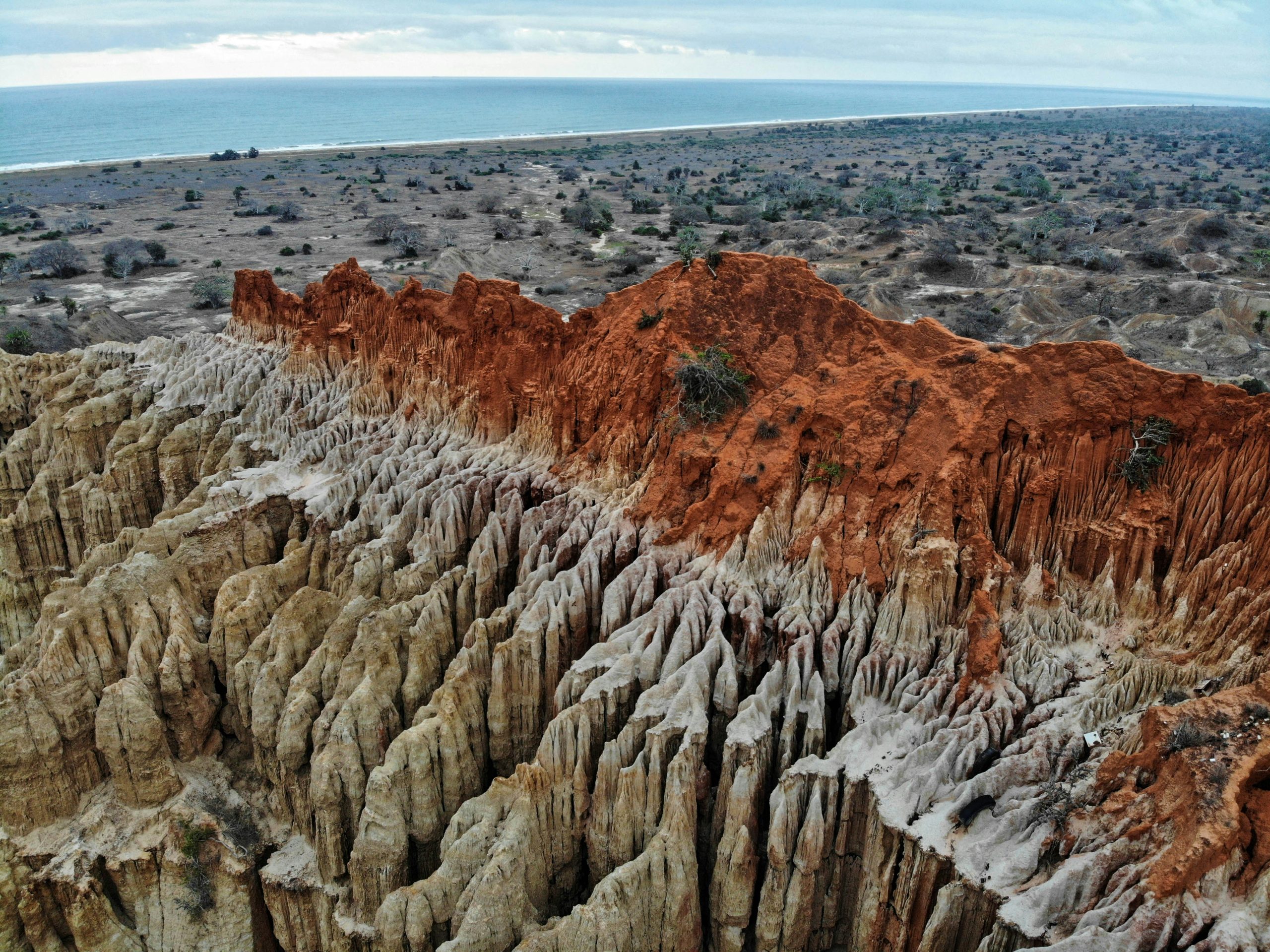
Luanda itself is the engine of this ambition. The Dr António Agostinho Neto International Airport, which serves the capital, has a handling capacity of up to 15 million passengers annually and functions as the country’s primary international gateway. A $100mn international convention centre is under construction in Luanda’s Chicala district, scheduled for completion in late 2026. The 72,000-square-metre facility will include a principal conference hall for 375 delegates, a 300-seat multipurpose theatre and an amphitheatre, positioning Luanda to compete for regional MICE business. The Angola Convention Bureau has been established in parallel to drive international event bookings.
International hotel groups including Marriott International, IHG Hotels and Resorts, and Accor are adding projects in Angola, reflecting growing confidence in the market. The travel trade has also taken note of the arrival of Rovos Rail, the South African luxury train operator, which has added Angola’s port city of Lobito to its 15-day journey to Dar es Salaam — a signal of the country’s growing integration into high-end African travel circuits. Magnificent World
President João Manuel Gonçalves Lourenço has approved a €449mn public investment for integrated infrastructure development at three priority tourism sites: Cabo Ledo, Quicombo and Namibe. The investment will fund access roads, water supply systems, sanitation, electricity, telecommunications and public lighting across the coastal tourism corridor. tangyOcean
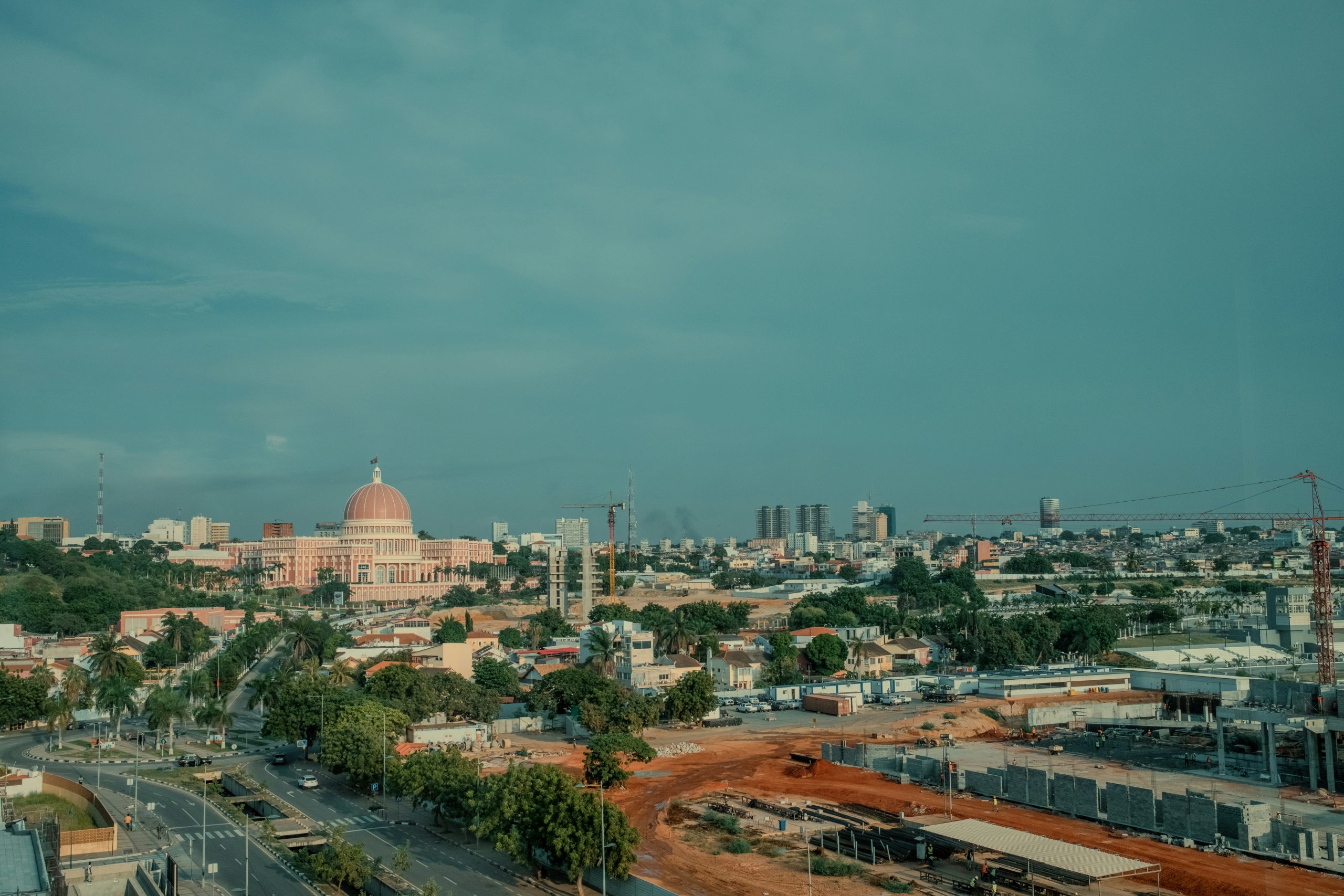
On the ground, the attractions within reach of Luanda are considerable. Around 40 km south of the capital, the Miradouro da Lua — the Moon Viewpoint — is a geological formation of wind and rain-eroded ochre cliffs that create a strikingly lunar landscape above the Atlantic coast. It is consistently cited as Angola’s most visited tourist attraction. Further south, Kissama National Park covers 9,600 sq km and was repopulated through Operation Noah’s Ark in 2001 and 2002, which airlifted elephants, giraffes, zebras and antelopes from Botswana and South Africa after decades of poaching during the civil war. The park’s savannah, dotted with baobab trees, now offers credible safari experiences within day-trip range of the capital.
Cabo Ledo, around 120 km south of Luanda in Bengo province, is regarded as Angola’s finest beach, drawing surfers and weekend visitors from the capital to its consistent Atlantic waves and long stretches of white sand. Closer to the city, the Ilha do Cabo, a narrow peninsula that forms Luanda’s bay, holds the capital’s principal beachfront bar and restaurant strip, while Ilha do Mussulo — a 30-km tongue of sand in the city’s southern outskirts, accessible only by boat — offers calm lagoon waters and a quieter retreat. Against the Compass
Within Luanda, the Baixa district retains colonial-era architecture along the seafront promenade, the Marginal, alongside the São Miguel Fortress, the National Museum of Slavery and a Currency Museum housed next to Angola’s National Bank, a pink colonial-era building considered one of the most architecturally distinguished in the city.
Angola’s music culture is also part of the draw. Kizomba, the country’s fluid musical genre, and Kuduro, its urban dance form, have attracted international curiosity and are increasingly woven into cultural tourism programming in Luanda.
Visa facilitation has been extended to citizens of nearly 100 countries, a significant shift for a destination that was historically hard to access. The Lobito Corridor — a modernised railway line connecting Angola’s Atlantic port of Lobito to the Democratic Republic of Congo and Zambia — is also being positioned as a cross-border tourism and trade route, opening up interior Angola to the kind of multi-country itineraries that are increasingly popular in Southern and Eastern Africa.
“Angola cannot base its economic future on oil alone. Tourism is our green oil, with enormous potential to create jobs, develop rural regions, and sustainably utilise our cultural and natural heritage,” said Márcio de Jesus Lopes Daniel, Angola’s Minister of Tourism.