
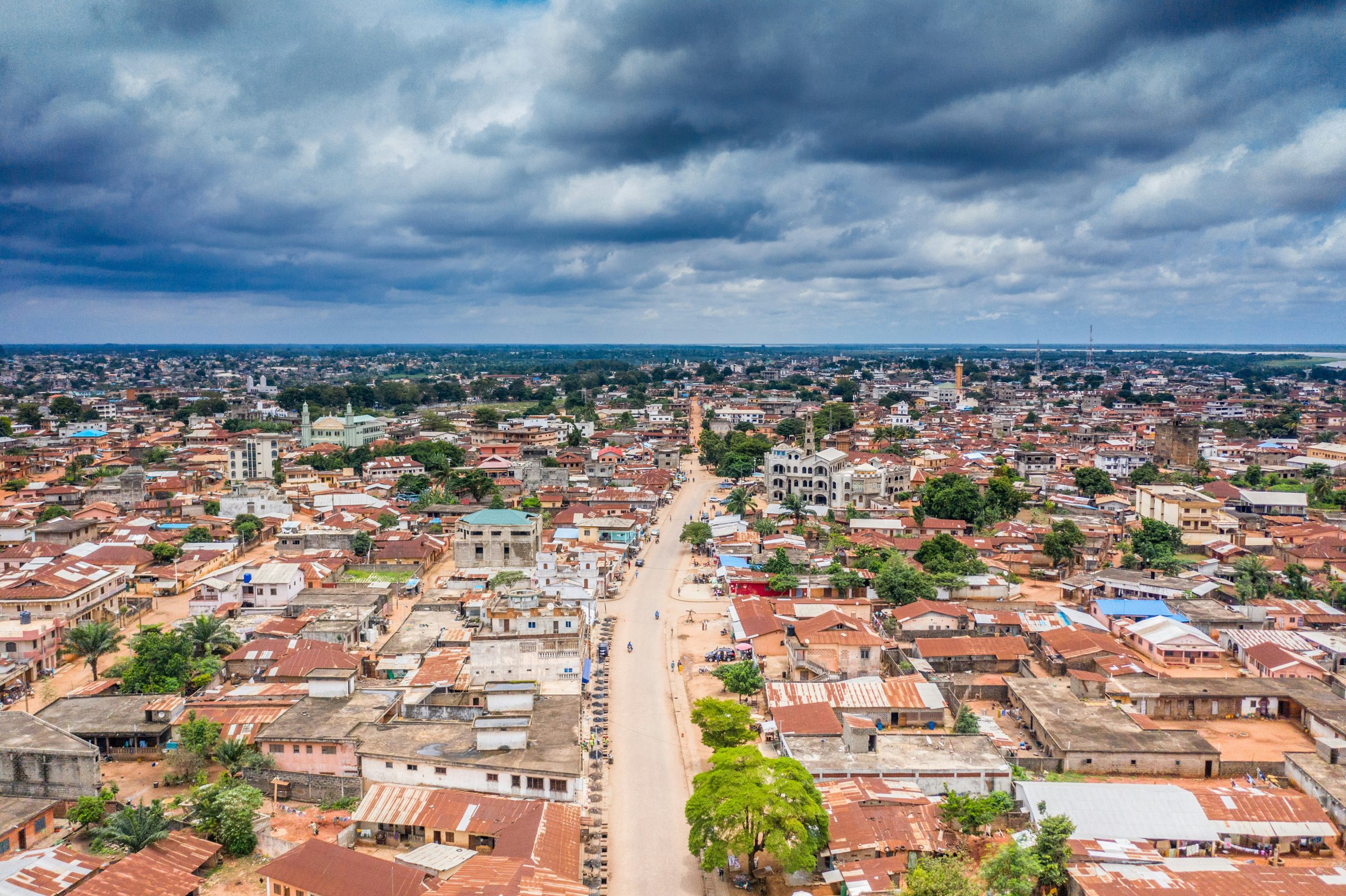
Benin sits on the Gulf of Guinea between Nigeria and Togo, compact in size but extraordinary in depth. Long overlooked by mainstream tourism, the country offers a blend of rich history, diverse cultures, and experiences that rival the region’s more popular destinations — and for the first time, it now has the hospitality infrastructure to match.
The opening of Sofitel Cotonou Marina Hotel & Spa, the first five-star hotel in the country, marks a turning point for the destination. Set on a 29-hectare estate in lush parkland on the Cotonou seafront, the property features 198 rooms including 14 suites and five duplex suites with private pools, five bars and restaurants, a 1,000 square-metre spa, and the largest convention centre in the city. The dining offer includes a brasserie with a menu by Michelin-starred chef Georgiana Viou, as well as Asian fusion, Levantine, and Mediterranean restaurants. The hotel’s general manager, Juliette Peron, said 90% of the property’s talent was recruited locally, reflecting the hotel’s ambition to anchor itself within the destination rather than sit apart from it.
The hotel is the most visible sign of a broader shift. Under President Patrice Talon, the government has declared tourism a priority sector, investing in infrastructure, hospitality training, and cultural preservation under the national tourism identity “Benin: A World of Wonders.” Sites including a reconstructed last slave ship in Ouidah and a new museum honouring the kings and queens of Abomey are being upgraded to support immersive visitor experiences.
Those experiences are genuinely remarkable. Ouidah, 40 kilometres west of Cotonou along the coast, is the spiritual home of Vodun — not a tourist attraction but a living religion practised by over 60% of the Beninese population. A UNESCO memorial traces the Route of the Slaves from Ouidah to the Door of No Return, where visitors can follow the path walked by enslaved Africans bound for the Americas. The Python Temple and Sacred Forest of Kpasse complete a town that rewards an entire day’s visit.
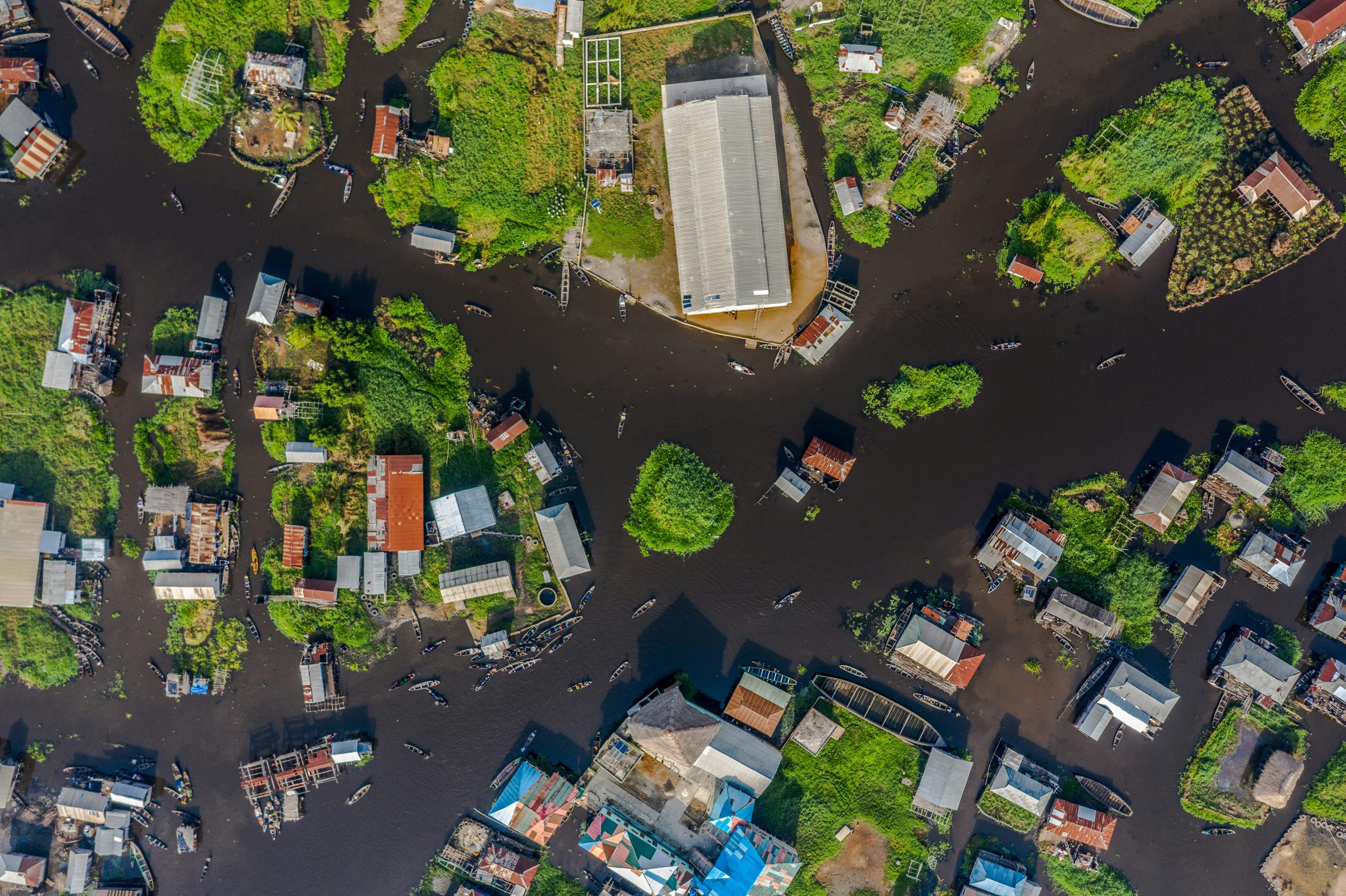
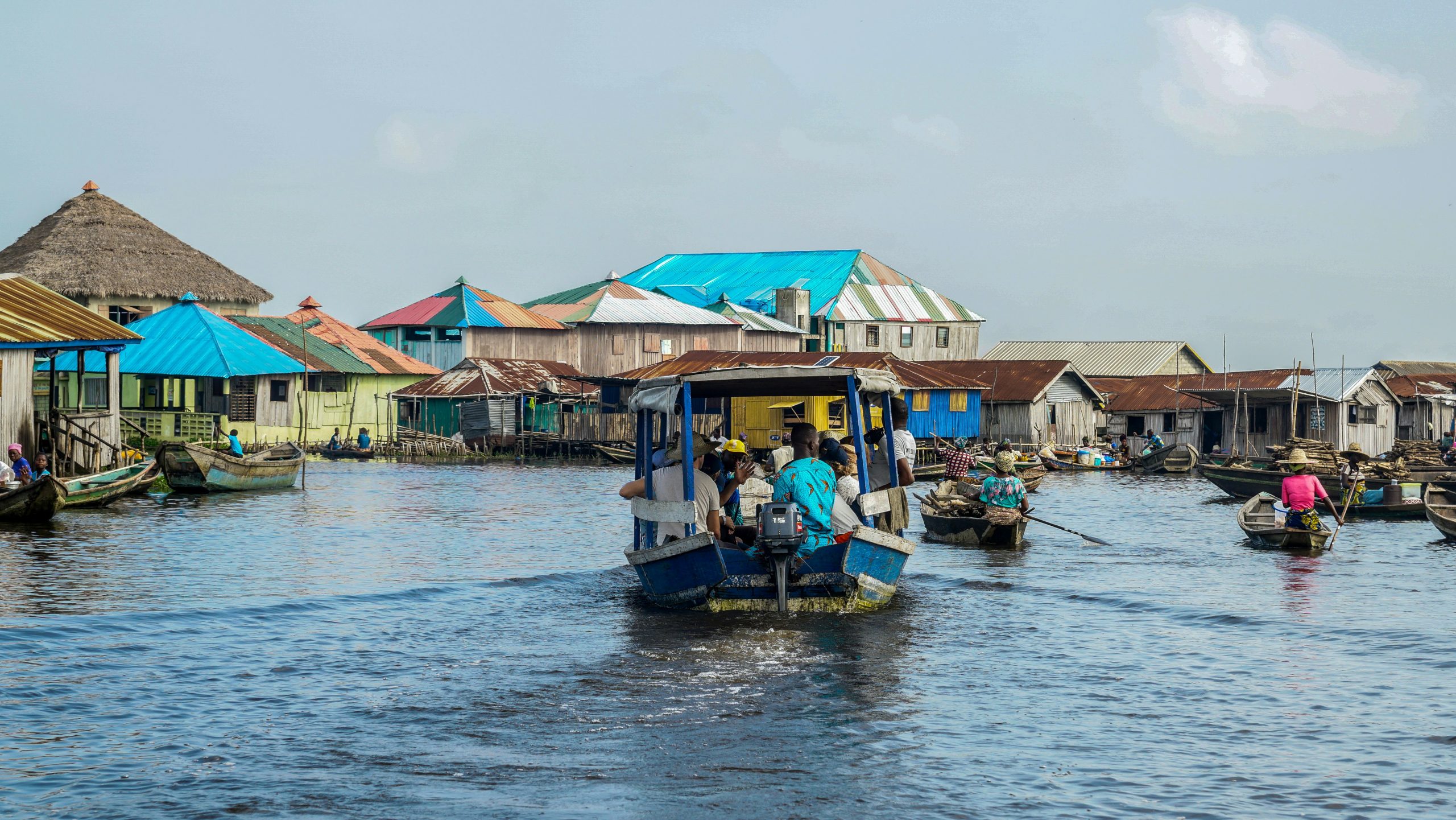
North of Cotonou, Ganvie on Lake Nokoué is the largest stilt village in Africa, where the Tofinu people travel by pirogue to fish, visit markets, and go to school — a community whose entire life unfolds on water. Inland, the UNESCO-listed Royal Palaces of Abomey stand as testimony to the powerful Kingdom of Dahomey, housing weaponry, statues, and bas-reliefs that document a kingdom in perpetual motion. The Royal Palace is currently closed for renovation, with reopening expected towards the end of 2026.
The best time to visit is during the dry season from November to March, with January bringing the annual Voodoo Festival to Ouidah, drawing visitors from across the world. Asia News Network
Mehdi Morad, Vice-President of Operations Africa for Sofitel, MGallery, and Emblems, said the hotel’s opening reflected wider ambitions for the country. “This project reflects the vision of a modern and thriving Benin. As the first five-star hotel in the country, Sofitel Cotonou Marina Hotel & Spa embodies luxury and refinement at every level and in every detail.” — Travel Daily News, September 2024