
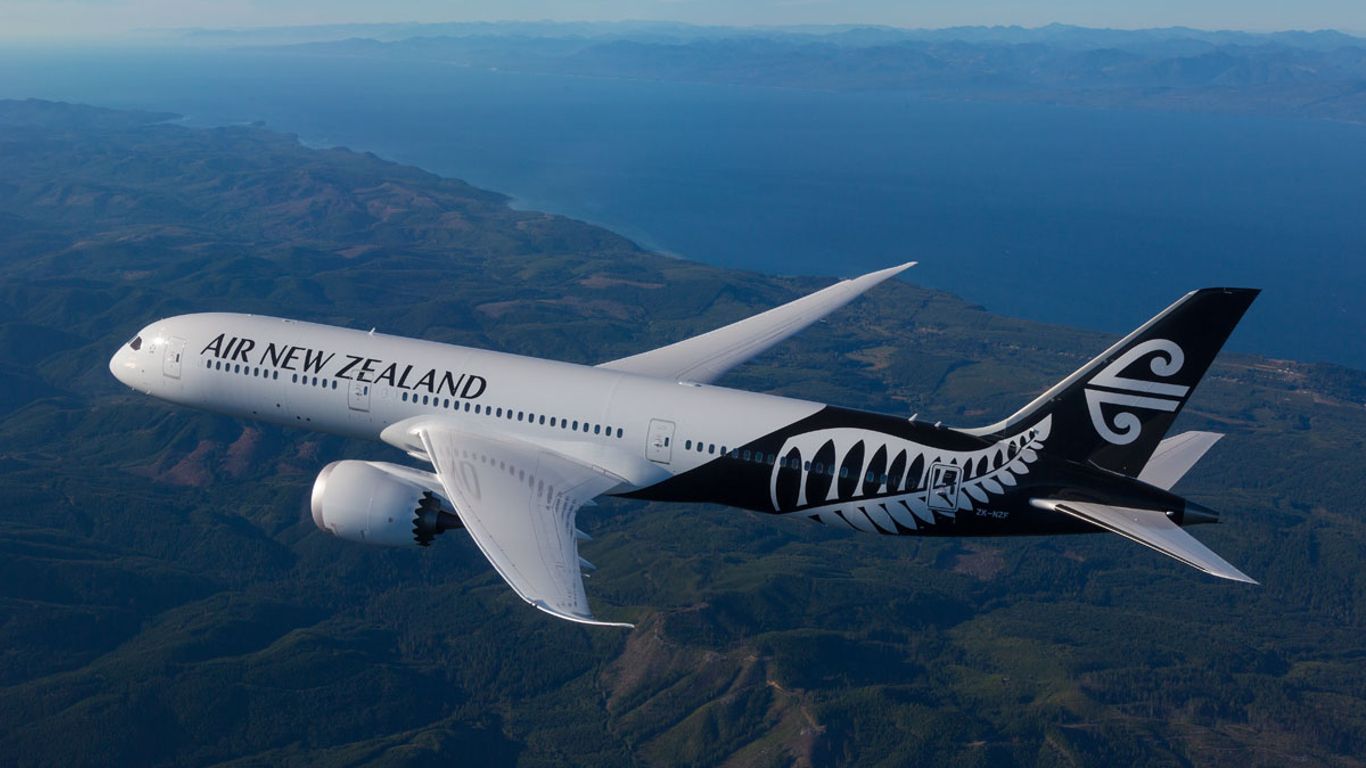
Air New Zealand raised ticket prices on March 10 due to the Middle East conflict, becoming one of the first carriers to announce broad fare increases as surging oil prices push jet fuel costs to levels not seen in recent years, Reuters reported.
The New Zealand carrier said jet fuel, which had been trading at between $85 and $90 per barrel before the conflict, had risen sharply to between $150 and $200 per barrel in recent days. The airline raised economy fares by $6 on domestic routes, $12 on short-haul international routes and $53 on long-haul routes, and said it was suspending its 2026 financial guidance due to uncertainty over the conflict.
“If the conflict leads to sustained higher fuel costs, we may need to take further action,” the airline said in an emailed response to Reuters.
Vietnam Airlines separately asked Vietnamese authorities to scrap the environmental tax on jet fuel to protect its operations, with the government saying operating costs for Vietnamese carriers had risen 70% due to fuel prices and that suppliers were struggling to meet demand.
Fuel is airlines’ second-largest expense after labour, typically accounting for around a quarter of operating costs. Some Asian and European carriers hold hedging positions against oil price swings, though American airlines have largely abandoned the practice over the past two decades.
Data and valuation firm Cirium said UAE and Qatari carriers transport a third of passengers travelling from Europe to Asia and half of those travelling from Europe to Australia, underlining the scale of disruption caused by Gulf airspace closures.
South Korean travel firm Hana Tour Service said it had cancelled group trips involving Middle East routing for March and was waiving cancellation fees for affected customers.
Thailand’s tourism ministry warned that if the conflict continued for more than eight weeks, the country could lose 600,000 tourists and $1.3bn in tourism revenues.