
Canaima National Park, Venezuela’s sprawling UNESCO World Heritage Site in the south-eastern state of Bolívar, is attracting renewed interest from international adventure travellers drawn to its ancient tepui landscapes, the world’s highest uninterrupted waterfall, and the indigenous Pemon culture that has shaped the region for centuries.
The park covers 30,000 km² and borders both Brazil and Guyana, encompassing roughly the same area as the Gran Sabana region.
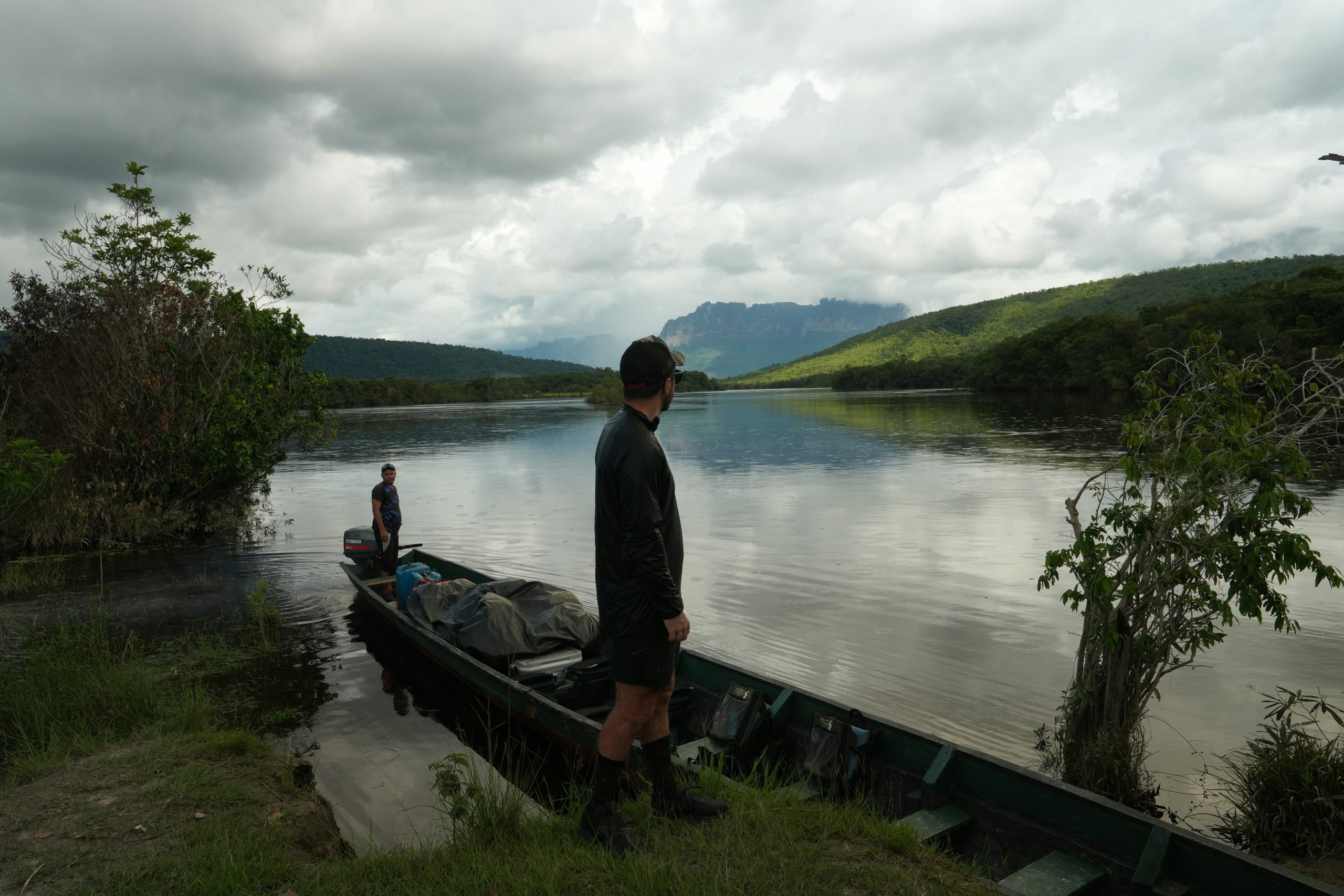
Around 65% of its surface is covered by tepui formations, the ancient flat-topped table mountains whose sheer cliffs and waterfalls, including Angel Falls at 979 metres, produce one of the most arresting landscapes on earth. UNESCO
Angel Falls, known in the Pemon language as Kerepakupai Merú, drops from the top of Auyantepui and has become the number one tourist attraction in Venezuela. Against the Compass The falls can be reached by a four-hour motorised canoe journey up the Carrao and Churún rivers from the Canaima lagoon village, which itself is accessible only by air from Caracas.
The state carrier Conviasa operates two weekly flights between Caracas and Canaima. Tickets must be purchased at the airline’s airport office and paid for in cash, a logistical hurdle that keeps visitor numbers low and preserves the park’s wilderness character.
Around 10 to 15 lodges are scattered along the shores of Lake Canaima, most pitching to the Venezuelan elite at rates comparable to five-star hotels in European cities. Budget travellers can turn to Campamento Wey TuPu, run by a Pemon family and the only camp widely regarded as genuinely community-owned.
The Pemon regard the tepuis as the home of the Mawari spirits, and their presence across the park, living in scattered riverside communities, gives Canaima a cultural dimension that few wilderness destinations can match.
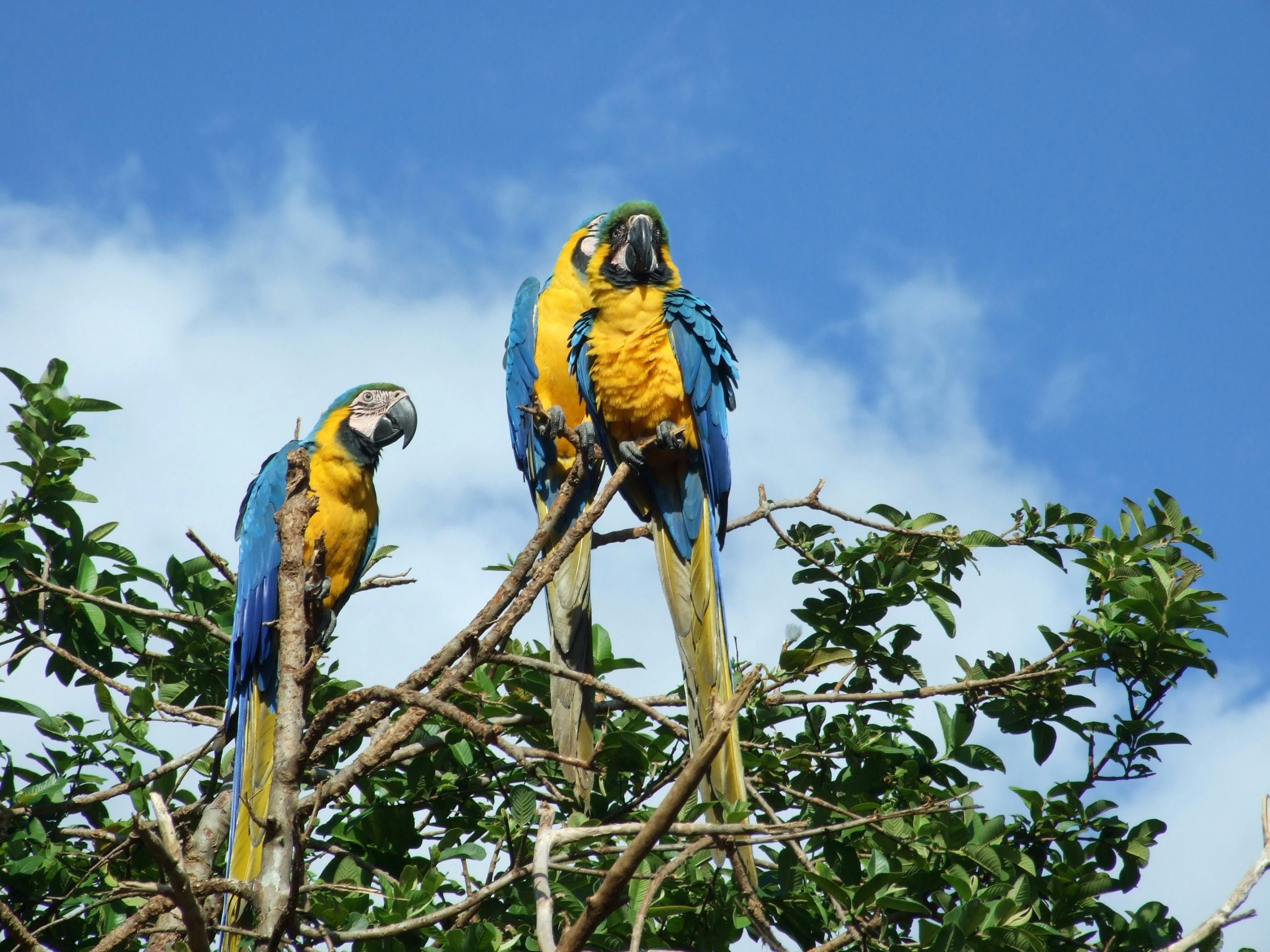
The park shelters five endangered species — the jaguar, ocelot, giant anteater, giant armadillo and giant river otter — while 29 bird species found here are endemic and found nowhere else on earth.
The name Canaima derives from the Pemon language and translates as “Spirit of Evil” Beautiful World — a detail that has done little to deter the growing number of travellers seeking out one of South America’s most remote and least-crowded natural destinations.