
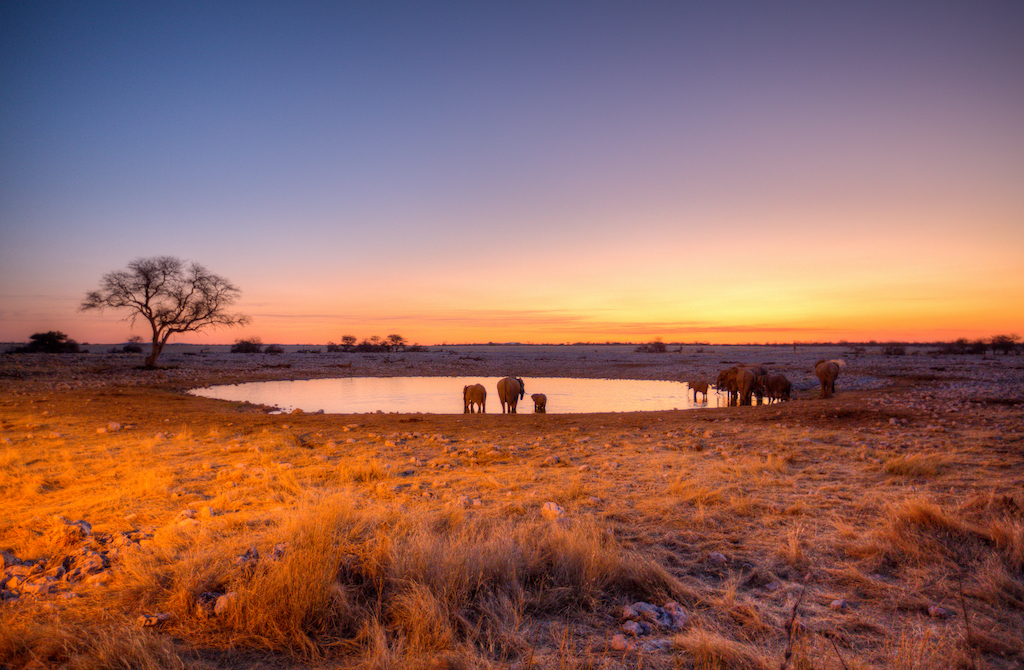
Etosha National Park is strengthening its position as a flagship safari destination through conservation-driven tourism and infrastructure upgrades, as Namibia targets higher-value, lower-impact visitor growth.
The park, one of southern Africa’s largest wildlife reserves, remains central to Namibia’s tourism economy, attracting international visitors drawn by high-density wildlife viewing around the Etosha Pan. Tourism contributes significantly to national GDP, with protected areas such as Etosha accounting for a substantial share of leisure arrivals.
Official data from Namibia’s tourism authorities indicate that international arrivals have continued to recover following pandemic lows, with European source markets including Germany and the UK among the leading contributors. Average spend per visitor has increased, reflecting demand for guided safaris and lodge-based experiences.
Investment in and around Etosha has focused on upgrading accommodation capacity and transport access. Government-backed operators and private investors have expanded lodge offerings, while road improvements to key gates have supported visitor circulation within the park.
Sustainability remains central to development plans. Namibia’s long-established community conservancy model continues to channel tourism revenue into local areas, supporting wildlife protection and rural livelihoods. Anti-poaching measures and habitat conservation programmes are being reinforced as visitor numbers rise.
Authorities have also introduced stricter visitor management policies, including limits on vehicle numbers at key waterholes and enhanced monitoring of environmental impact. Water resource management has become a priority, given the park’s arid climate and reliance on artificial water points to sustain wildlife populations.
Over the next two to three years, Namibia plans to expand renewable energy use across park infrastructure, including solar-powered lodges and facilities. Digital permit systems and visitor tracking are expected to improve capacity management and reduce pressure on sensitive areas.
Seasonality continues to influence demand, with peak safari conditions during the dry season driving higher occupancy rates. Efforts to diversify the tourism offer, including birdwatching and conservation-focused travel, aim to support year-round visitation.
Officials have indicated that maintaining Etosha’s ecological integrity will remain the foundation of its tourism strategy, particularly as investor interest in Namibia’s safari sector grows.