
Eswatini — the landlocked kingdom sandwiched between South Africa and Mozambique — packs more into its modest borders than most countries ten times its size. At its centre, physically and culturally, lies the Ezulwini Valley.
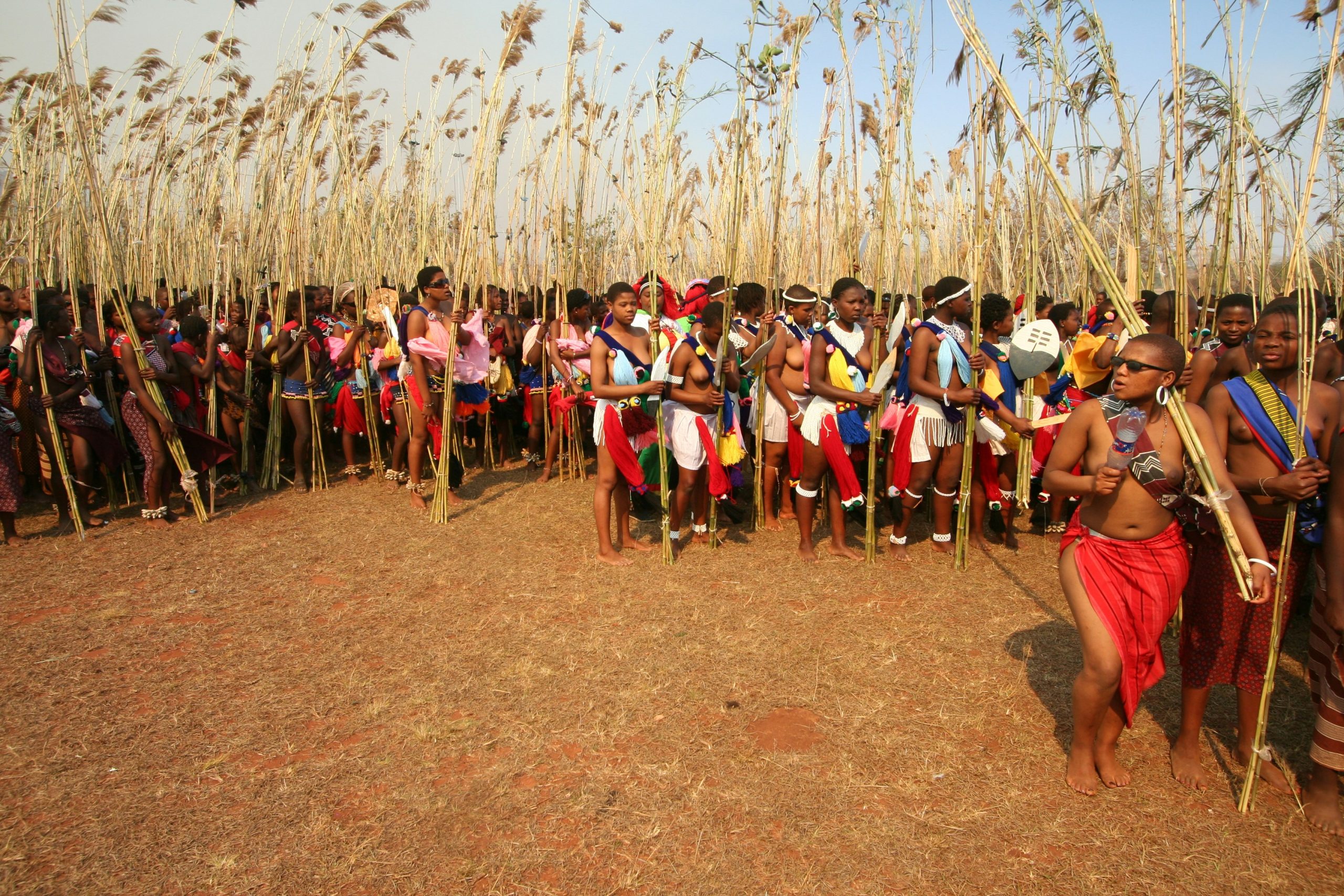
The valley’s name translates as “Place of Heaven” in Swati, and it functions as the cultural and commercial heart of Eswatini’s tourism offer. It sits alongside the royal village of Lobamba, the Swazi National Museum, and some of the country’s best craft markets. It is also home to the parliament building and the queen mother’s official residence — making it simultaneously a royal precinct, a wildlife corridor and a tourist hub in the space of a few kilometres.
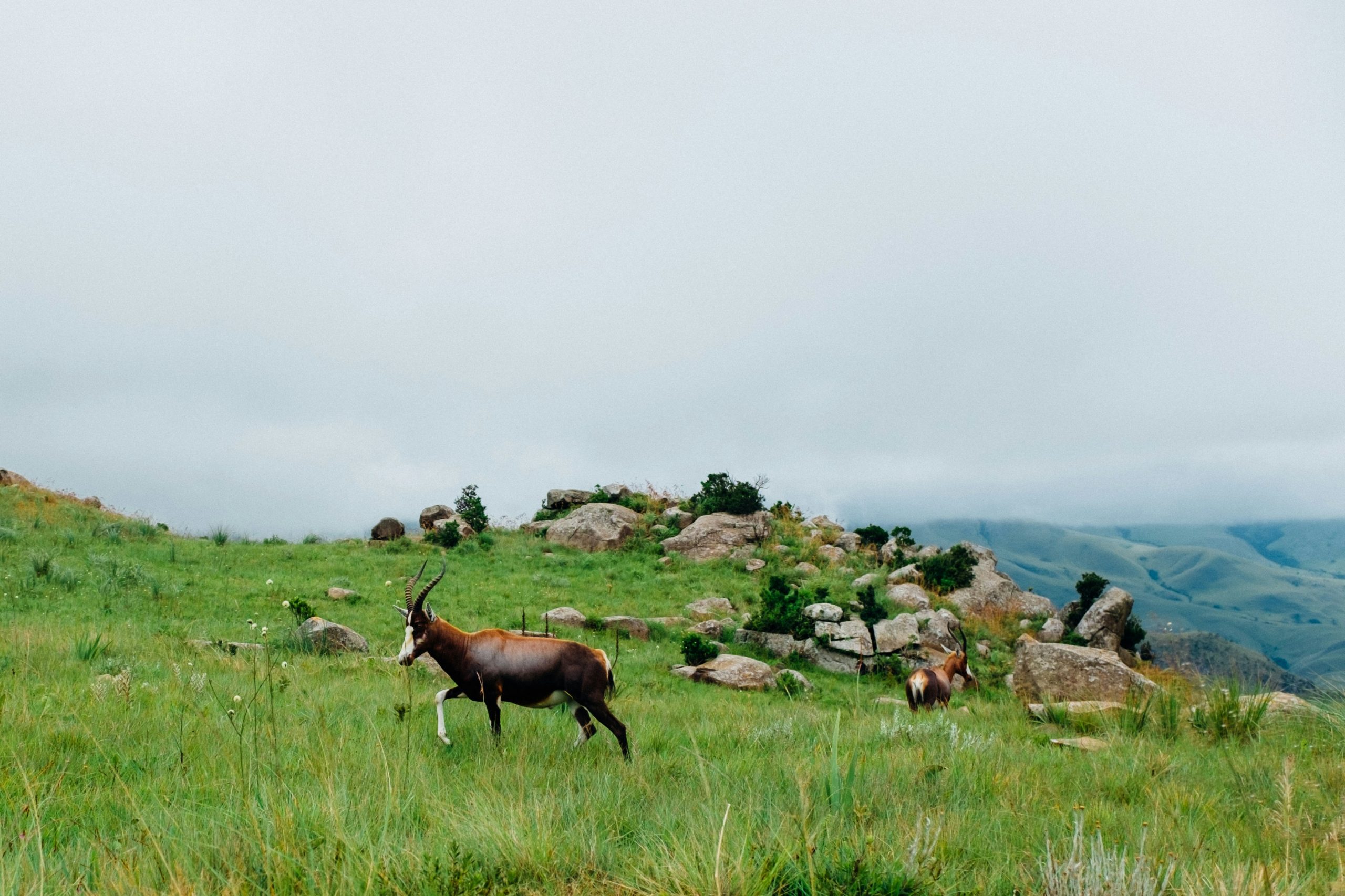
Mlilwane Wildlife Sanctuary, established in 1961, covers approximately 4,560 hectares of the valley floor and is the country’s oldest protected area. Unlike many game reserves in the region, Mlilwane contains no predators, which means visitors explore on foot, by bicycle or on horseback without a ranger escort — a rare freedom in southern African wildlife tourism that appeals to travellers who want proximity rather than the distance of a vehicle.
The sanctuary is home to impalas, zebras, wildebeest, giraffes, warthogs and a range of antelopes, alongside over 230 recorded bird species.
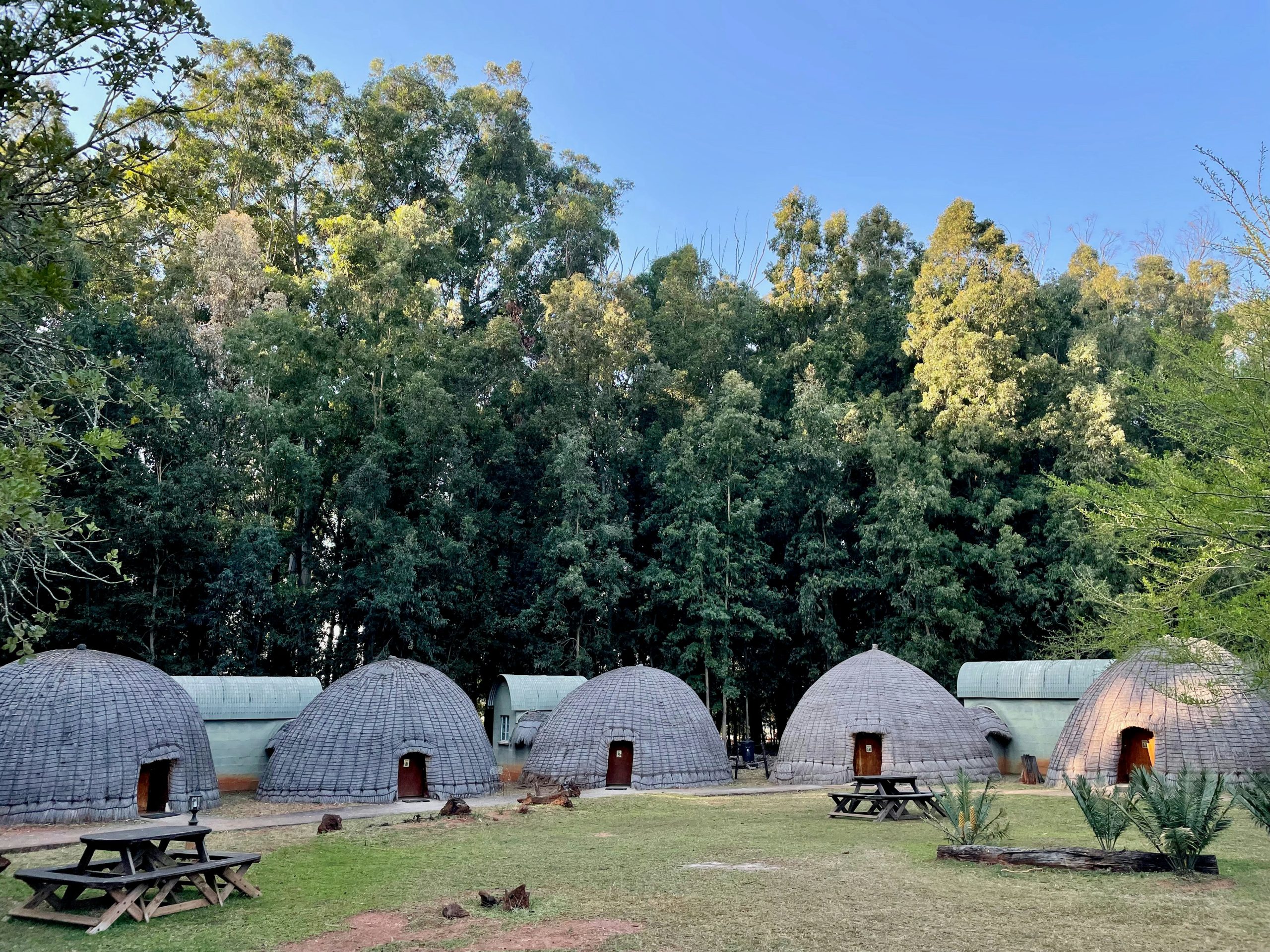
The Mantenga Cultural Village, situated within Mantenga Nature Reserve a short distance from the sanctuary, is a reconstructed 16th-century Swazi homestead staffed by cultural practitioners who demonstrate traditional building techniques, craft-making, music and dance. It is considered more substantive than most equivalent cultural village experiences on the continent.
For craft buyers, the valley and the adjacent Malkerns Valley form the most concentrated artisan corridor in Eswatini. Swazi Candles in Malkerns has been producing hand-rolled, animal-shaped candles since 1981; the same valley is home to Baobab Batik and Gone Rural, a cooperative producing handwoven grass and clay homewares by rural women’s groups.

The dry season from May to September offers cooler temperatures and clearer skies for wildlife viewing and outdoor activities, while the wet season from October to April brings lush green landscapes and peak birdlife. Mbabane, the capital, sits at the valley’s northern entrance and is served by Matsapha International Airport near Manzini.