
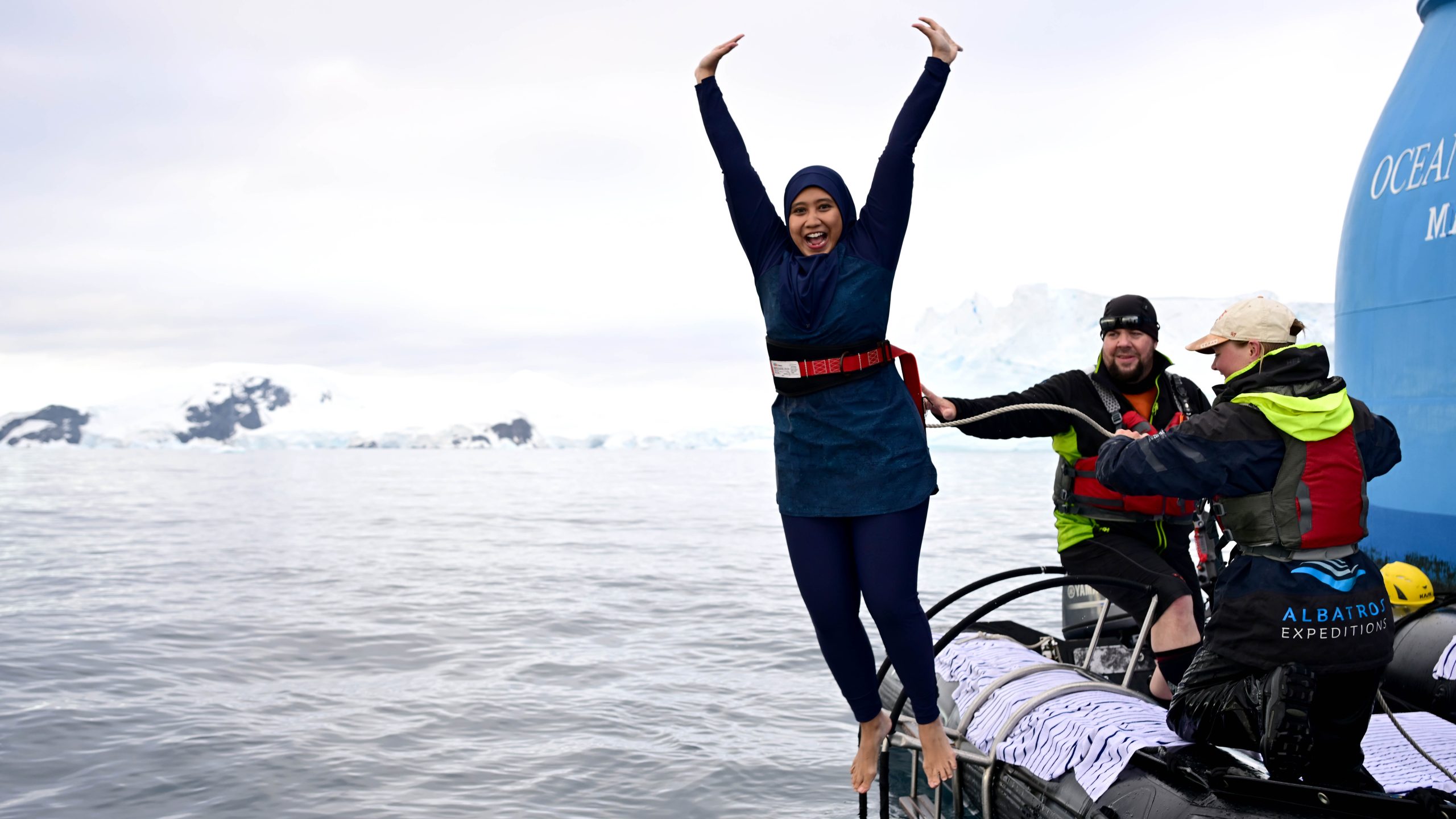
Halal tourism is becoming an increasingly visible part of the global travel landscape. As Muslim travel demand grows across multiple regions; destinations, tourism boards and travel businesses are beginning to explore how their services and experiences can respond to halal-conscious travellers.
For many years the concept of halal tourism was often discussed in relatively narrow terms, usually associated with specific destinations or specialised travel providers. Today, however, the picture is far more dynamic. Muslim travellers participate across the same global travel landscape as everyone else; exploring major cities, visiting cultural heritage destinations, relaxing in island resorts, taking wildlife safaris and increasingly seeking adventure and nature-based travel experiences.
As a result, the conversation around halal tourism is evolving. Rather than focusing only on identifying the market, the travel industry is beginning to ask a more practical question: how can travel experiences be designed and delivered in ways that feel accessible and welcoming to halal-conscious travellers within the wider tourism ecosystem?
Understanding that shift requires looking more closely at what halal tourism actually means in practice, how large the market has become, and what travel businesses are beginning to do to engage with it.

Seeing Travel Through a Halal Tourism Lens
At its core, halal tourism refers to travel experiences that allow Muslim travellers to maintain everyday lifestyle practices while travelling. In practical terms this often includes access to halal food, awareness of prayer needs, and hospitality environments that feel comfortable and respectful of cultural preferences.
While the concept primarily relates to Muslim travellers, many of the hospitality considerations involved can also appeal to a wider range of guests. Alcohol-free environments, private leisure facilities, family-oriented accommodation and clear communication about food options are examples of hospitality features that resonate with travellers from diverse backgrounds and appear across different industry sectors.
Importantly, halal tourism does not refer to a single type of holiday or destination. A halal-conscious traveller might be exploring historic cities in Europe, visiting nature reserves in Africa, relaxing in an island resort in the Indian Ocean or joining an expedition cruise to a remote destination. The defining factor is not the destination itself but whether the travel experience allows travellers to move through it comfortably while maintaining their everyday practices.
For the travel industry, this means halal tourism is less about creating an entirely separate tourism product and more about understanding how existing travel experiences can be delivered in ways that accommodate these preferences.

The Market Reality
Behind the growing attention around halal tourism lies a travel market that has expanded steadily over the past two decades. Muslim travellers today represent one of the most dynamic segments of international travel, travelling from regions that include the Gulf states, Southeast Asia, South Asia and increasingly, parts of Africa and Europe.
Industry estimates suggest that Muslim international travel reached approximately 176 million global travellers in 2024, reflecting a market that has largely recovered from the disruption of the pandemic and continues to grow. Muslim travel spending reached around US$230 billion, with projections suggesting the sector could approach US$300 billion by 2030 as global travel demand continues to expand.
Economic shifts are also shaping the market. Expanding middle classes in countries such as Indonesia, Malaysia and Türkiye have increased the number of travellers exploring destinations beyond their immediate regions. Improved air connectivity across Asia, the Middle East and Africa has opened new travel corridors, while online booking platforms and social media have made it easier for travellers to research destinations and plan trips independently.
Demographics play a significant role in this trajectory. Muslims represent roughly a quarter of the global population, and in many countries Muslim populations are significantly younger than global averages. Around 70% of Muslims are under the age of 40, with roughly 60% under the age of 30, meaning a large number of potential travellers is entering their prime travel years at a time when international mobility, digital travel planning and global connectivity are more accessible than ever.
Muslim diaspora communities in Europe, North America and other regions are also influencing travel patterns. Younger generations raised outside their parents’ countries of origin often explore a wider range of destinations rather than focusing primarily on traditional family travel routes.
For destinations and travel businesses, the opportunity lies not only in recognising the scale of the Muslim travel market but in understanding how existing products can be positioned and communicated more effectively to halal-conscious travellers. As awareness of the market grows, industry networks such as the Halal Travel Network (HTN) have emerged to help tourism professionals better understand the expectations of halal-conscious travellers and how the sector is evolving globally.
Seeing Travel Through a Halal Tourism Lens
Looking at the industry from this perspective reveals something interesting about how travel itself is evolving. Many of the considerations associated with halal-conscious travel, such as clear communication around hospitality services, family-friendly environments and thoughtful service design increasingly appear across the wider travel landscape.
In this sense, halal tourism does not sit apart from broader travel trends. Instead, it intersects with developments that are reshaping hospitality more generally. Travellers today increasingly seek experiences that align with their personal preferences and values, whether that relates to cultural exploration, sustainability, family-friendly environments or personalised travel.
Halal tourism fits naturally within this shift. For many travellers, the key consideration is not the label attached to a destination but whether the travel experience allows them to move comfortably through an environment while maintaining everyday practices. This often comes down to transparency; knowing what food options are available, understanding the hospitality environment of a destination and feeling confident about the overall travel experience.
This perspective helps explain why halal-conscious travel appears across such a wide range of travel experiences. Rather than being confined to a single category of tourism, it emerges wherever destinations and travel businesses are willing to adapt existing experiences to accommodate different guest preferences.
Across the industry, this can be seen in many ways. Cultural heritage routes attract travellers interested in exploring Islamic history and architecture, particularly in regions such as Southern Europe and Central Asia. Nature-based travel, including wildlife safaris and national park exploration, appeals to travellers seeking immersive experiences that combine adventure with comfort. Island destinations are also adapting their hospitality offerings to cater to travellers who prefer halal dining options or alcohol-free environments.
Even some of the most specialised areas of travel are beginning to feature within halal-conscious travel experiences. Expedition journeys to Antarctica organised with Polar Latitudes, for example, demonstrate how expedition travel can operate within the broader halal tourism landscape – an area once rarely associated with this market.

What Halal-Conscious Travellers Look For
For halal-conscious travellers, the overall quality of a trip often depends on whether a destination feels easy to navigate with confidence. Much of this comes down to clarity: understanding what food options are available, how hospitality environments operate, and whether everyday practices can be maintained comfortably while travelling.
Access to halal food is one of the most visible considerations, but it is rarely the only one. Catering for halal-conscious travellers is often less about specialised infrastructure and more about thoughtful hospitality design and adapting existing travel products rather than creating entirely separate ones. Simple measures such as clear information about prayer times, consideration of privacy in leisure activities and transparent communication about hospitality environments can significantly improve the travel experience, often raising the overall standard of customer service for all guests.
As with many areas of tourism, technology is playing an increasingly important role in how travellers plan and experience their journeys. Halal-conscious travellers frequently rely on online research, reviews, maps and social media to understand whether a destination will feel accessible and comfortable. Younger Muslim travellers in particular, are increasingly drawn to experience-led travel, placing value on meaningful cultural encounters, nature-based journeys and emerging destinations rather than traditional holiday formats.
Digital visibility therefore becomes an important part of the travel experience even before the journey begins. If accurate information about halal food, prayer facilities or hospitality environments is difficult to find online or if search results are dominated by negative narratives about safety or acceptance, travellers may simply choose another destination. In this way, the digital presence of a destination increasingly shapes traveller confidence.
Consumer confidence also plays an important role in destination choice. Travellers may consider not only what services are available but also how welcoming a destination is likely to feel. For visibly Muslim travellers in particular, perceptions of safety, social comfort and general hospitality can influence booking decisions just as strongly as product features. A destination may have the right facilities on paper, but if travellers are uncertain about how they will be received, that uncertainty can affect travel planning.
Increasingly, mainstream travel operators are investing in training and awareness so their teams understand how to welcome halal-conscious travellers confidently. As understanding of halal tourism evolves, industry training is also moving beyond the basics of halal food or certification. Tourism professionals are now recognising the importance of communication, digital presence, marketing representation and service awareness in shaping how halal-conscious travellers experience a destination. When guides, hotel staff and reservations teams understand these considerations, existing travel experiences become far more accessible without losing their mainstream appeal.
Case Studies in Practice
Looking at how halal travel appears across different travel experiences helps illustrate how widely the concept now extends within the travel industry.
Experiential and immersive travel – Azahara
Located in the mountains near Granada, Azahara International represents a different dimension of halal tourism centred on immersive, place-based experiences. Rather than focusing solely on traditional sightseeing, programmes combine time spent in Andalusia’s rural landscapes with curated retreats, learning sessions and guided exploration of the region’s cultural environment. Visitors engage with the rhythms of the landscape, local food traditions and nearby historic towns, creating a slower and more reflective style of travel. In this context, the experience moves beyond visiting landmarks and instead offers travellers the opportunity to connect with the cultural and natural setting of the destination in a more meaningful way.
Adventure and wildlife travel – Ummah Safari
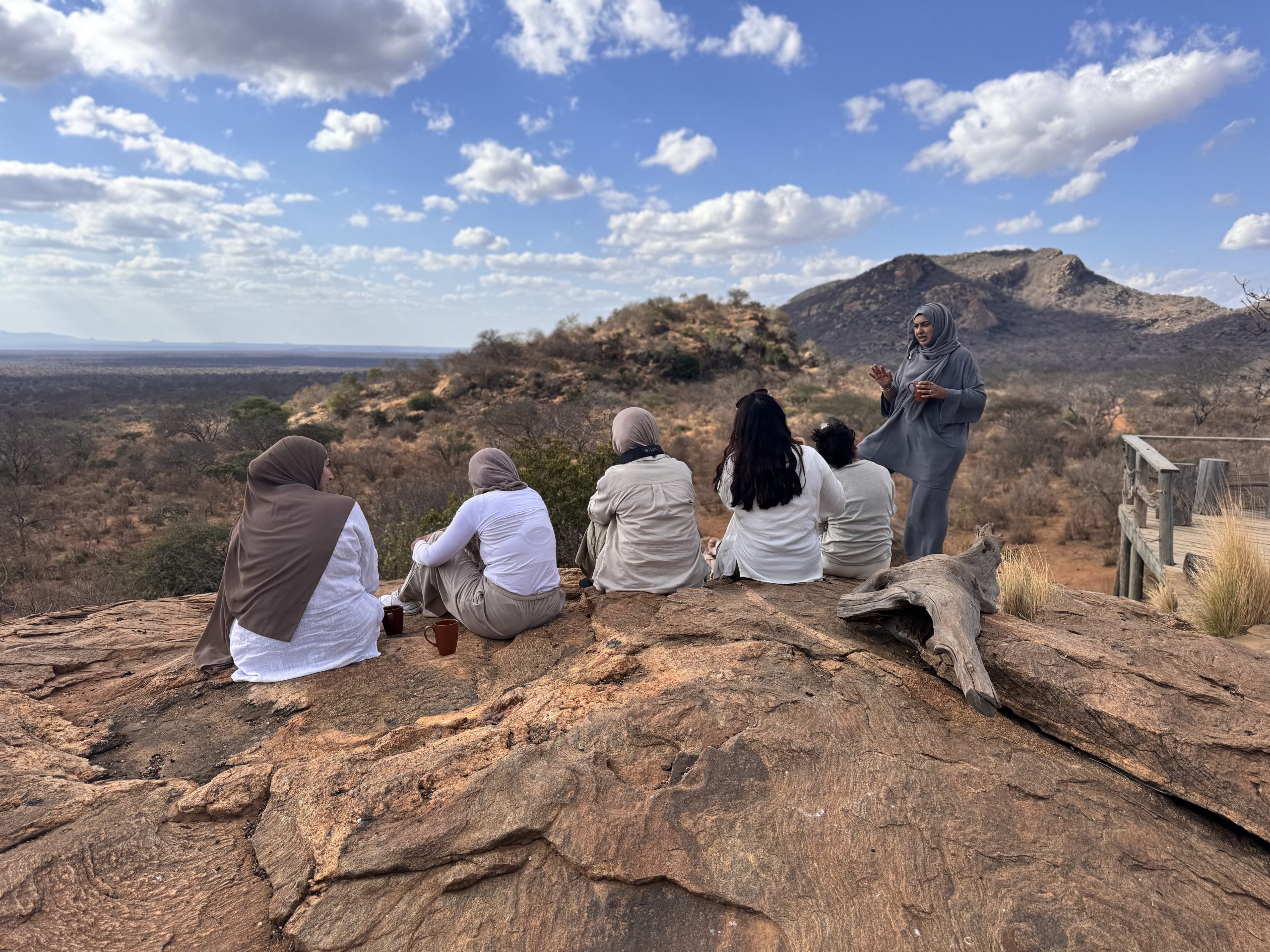
Ummah Safari, a Muslim-friendly operator and destination management company specialising in travel to Tanzania and Zanzibar, demonstrates how halal-conscious travel can integrate naturally into wildlife tourism. By combining safari experiences in Tanzania’s national parks with accommodation and dining arrangements curated for Muslim travellers, they can offer journeys that maintain the essence of the safari experience while ensuring travellers feel comfortable throughout the itinerary.
Luxury hospitality – Şah Saray Cave Suites
Luxury hospitality is also reflecting the growing diversity of halal-conscious travellers. In Cappadocia, Şah Saray Cave Suites demonstrates how halal-conscious hospitality can be delivered without losing any sense of sophistication or place. Combining luxury cave accommodation with an alcohol-free environment and a fine dining concept inspired by 4,000 years of Cappadocian culinary heritage, the property offers an experience that feels both elevated and rooted in the destination. Here, halal-conscious travel is presented a central tenet of its complete hospitality identity with its roots in luxury.
The Industry Ecosystem
The development of halal tourism depends largely on a wider ecosystem within the travel industry. Hotels, airlines, tour operators and destination management companies all play a role in shaping the traveller experience. Tourism boards increasingly recognise the Halal-conscious market as part of their international visitor strategies, while travel advisors and tour operators help travellers navigate destinations that may be unfamiliar. As a result, industry collaboration is becoming increasingly important, with tourism businesses turning to networks, training programmes and industry partnerships to better understand the market and share practical knowledge without compromising the wider guest experience.Organisations such as the Halal Travel Network (HTN) aim to support this process by connecting travel professionals, destinations and tourism businesses working within the halal-conscious travel space. Through collaboration, knowledge sharing and training initiatives such as the HTN Academy, the network helps travel professionals better understand how to serve this growing segment.
What Comes Next
Halal tourism is entering a new phase within the global travel industry. What began as a conversation about recognising a growing market is gradually evolving into a discussion about how that market fits within the wider travel ecosystem.For destinations and tourism businesses, the opportunity now lies in moving beyond basic awareness of the Muslim travel market and translating that understanding into practical hospitality decisions. This includes clearer communication around food and hospitality environments, stronger digital visibility for halal-conscious travellers, and better training for tourism professionals who interact directly with guests. In many cases the foundations already exist; what is required is greater clarity, confidence and industry knowledge. As international travel becomes more diverse, the ability to deliver thoughtful, culturally aware hospitality will become an important part of how destinations remain competitive. In that sense, halal tourism provides an opportunity for the travel industry to serve a wider and more diverse community of travellers while strengthening the overall quality of hospitality and service across the sector.