
Indonesia’s government is pushing to rezone large portions of Way Kambas National Park in Sumatra, cutting the park’s strictly protected core area by more than half to open land for carbon trading and high-end tourism, Mongabay reported on March 19.
The proposed rezoning would reduce the core area from 59,935 to 27,661 hectares while expanding the utilisation zone nearly tenfold, from 3,934 to 32,091 hectares, according to a Ministry of Forestry document .The core zone, currently a largely continuous block, would be divided into three separate sections.
Indonesia’s Forestry Minister Raja Juli Antoni has framed the proposal as a way to transform national parks from a “cost centre” into a “profit centre,” seeking private sector involvement to make the country’s parks “world-class.” – Mongabay
Investigative magazine Tempo reported in February that the carbon and tourism projects at Way Kambas would be led by former United States diplomat Karen Brooks, who served under the Clinton and Bush administrations and met directly with President Prabowo Subianto to lobby for the legalisation of carbon trading in national parks.
The plans have drawn criticism from conservation experts. “If the reason for reducing the core zone is to increase the utilisation zone for business, that’s not appropriate,” said Indonesian ecologist Wishnu Sukmantoro, a member of the Asian Elephant Specialist Group at the IUCN.
The luxury tourism component, with reported rates of up to $14,000 a night, has also drawn criticism from conservationists who say it would exclude local residents and the general public from a national asset.
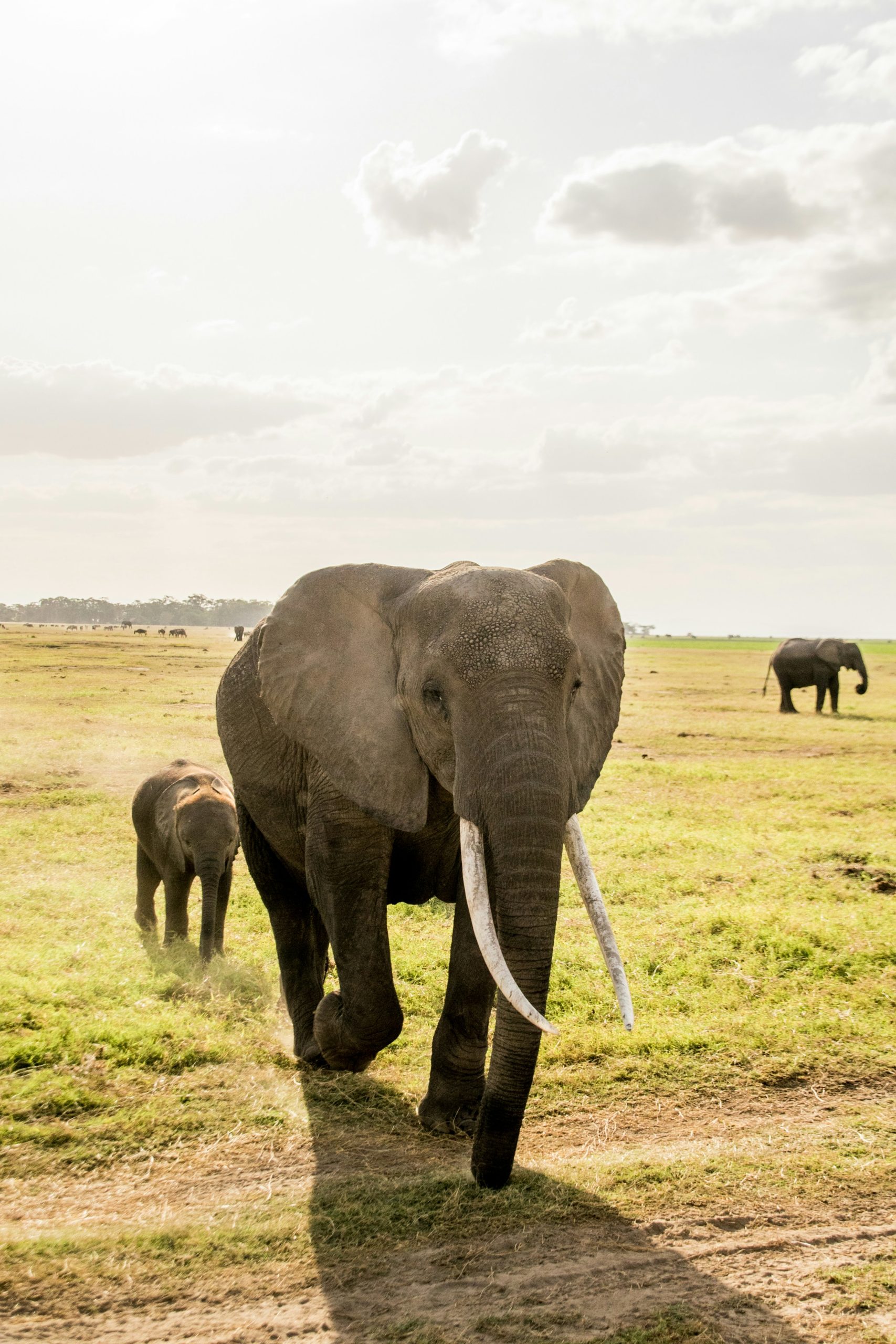
Irfan Tri Musri, director of the Lampung chapter of Indonesian environmental advocacy group Walhi, warned that carbon projects prioritising dense tree planting could displace the open grasslands on which Sumatran elephants depend, pushing animals into human settlements and increasing conflict.
Way Kambas is home to between 160 and 200 wild Sumatran elephants, a critically endangered species, as well as Sumatran tigers and rhinos. In 2021, the park’s management authority had a budget of just IDR34bn (USD$2mn) against an estimated requirement of $18.60 per hectare per year.
Sustainability expert Aida Greenbury, who sits on the advisory board of the World Bioeconomy Forum, cautioned that transparency and community engagement remained unresolved. “We need to be careful here — Way Kambas is a national asset,” she told Mongabay