
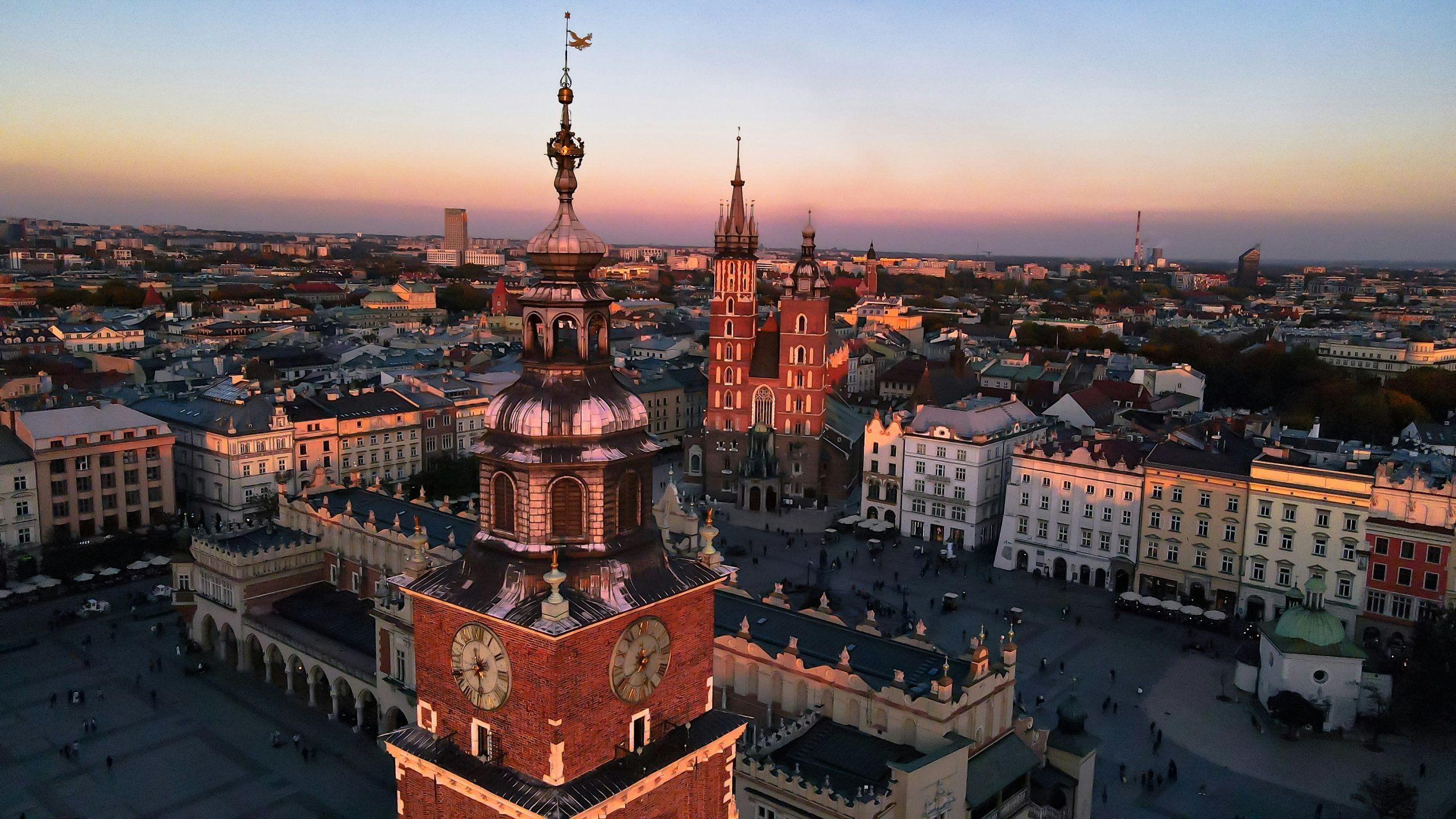
Krakow continues to attract budget-conscious visitors in substantial numbers, offering a combination of medieval architecture, competitive pricing and strong air connectivity that positions it firmly in the value-city-break segment—but destination managers are increasingly having to weigh that accessibility against the pressures of overtourism in its historic core.
As the city becomes increasingly popular as a weekend destination, the local airport is now struggling to deal with the volume of traffic coming through, this combined with the ongoing issues with the new EU entry scheme for non-EU residents (looking at Brits/Brexit fiasco) has become in recent months as the tourism sector grows an increasingly bothersome period of travel. Just at our entrance, flying with RyanAir, we had to wait more than two hours to get through immigration. Not great for those who are elderly or infirm.
Just at our entrance, flying with RyanAir, we had to wait more than two hours to get through immigration. Not great for those who are elderly or infirm.
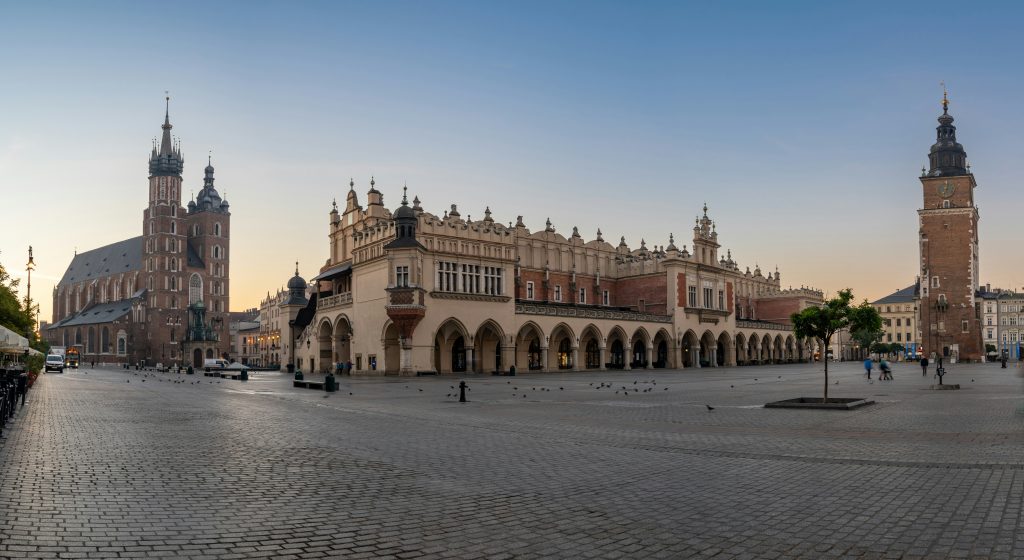
A March visit illustrates the city’s seasonal dynamics clearly. Visitor volumes are notably lower than peak summer, accommodation rates are competitive, and the pedestrianised old town, a Unesco World Heritage site since 1978, is navigable without the crowding that characterises July and August. For trade buyers building city-break packages, March to May and September to October represent the most commercially attractive windows: the product is strong, pricing is favourable, and the guest experience is substantially better.
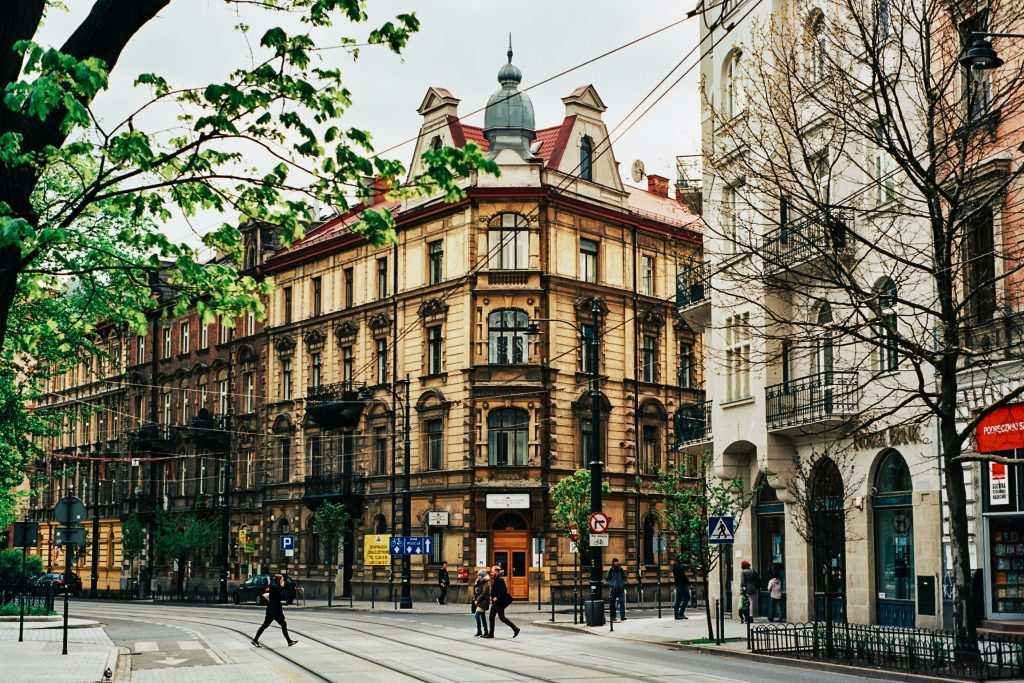
The accommodation offer ranges from boutique apartments within the historic walls to mid-market hotel stock just outside. Properties adjacent to the Planty gardens, the green belt that replaced the old city fortifications, deliver good walkability to the main attractions without the price premium of Old Town addresses. Just outside the city walls is also a plethora of great eateries with some great brunch spots that wouldn’t be amiss in Madrid or Paris.
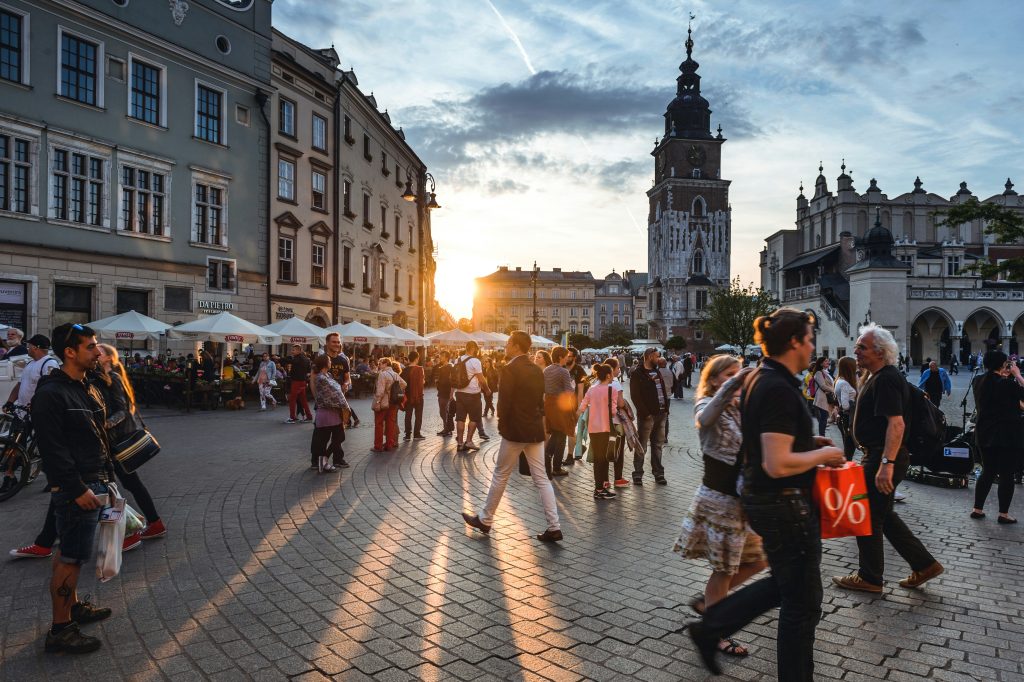
Krakow’s anchor attractions retain broad appeal across the leisure and MICE segments. The Rynek Główny, the main market square, is one of the largest medieval squares in Europe and home to the Gothic St Mary’s Basilica, whose hourly bugle call remains one of the city’s defining experiences. The adjacent Sukiennice (Cloth Hall), once a centre of international trade in spices, silks and textiles, now houses craft stalls on its ground floor and a branch of the National Museum above — a combination that works well for group itineraries.
The Wieliczka Salt Mine, 14km south-east of the city centre, is among the most operationally significant day-trip products in the region. A Unesco World Heritage site since 1978, the 13th-century mine extends across 245km of tunnels and 3,000 chambers, including St Kinga’s Chapel — an ornate underground church carved entirely from salt. An on-site restaurant on the lower levels adds a viable dining element to half-day itineraries. Advance booking is strongly recommended; the site regularly reaches capacity during peak season, and this is itself an indicator of the broader pressure the destination faces.
The Kazimierz district, Krakow’s historic Jewish quarter, has evolved into the city’s most dynamic hospitality neighbourhood. Its concentration of independent bars, restaurants and cultural venues makes it a strong product for younger leisure travellers and experience-led corporate groups. Average beer prices in the district run to between PLN10 and PLN15 (approximately €2.30 to €3.50), with main courses typically ranging from PLN35 to PLN60 (€8 to €14) — pricing that continues to undercut comparable Western European city-break destinations significantly.
Traditional dishes worth including in curated food-tour products include pierogi (stuffed dumplings), bigos (hunter’s stew) and obwarzanek krakowski, the city’s signature braided bread rings, sold by street vendors across the old town.
The Wawel Royal Castle, a 14th-century complex on Wawel Hill overlooking the Wisła river, remains one of the strongest single-site heritage products in Central Europe. Rooftop bar options along the Wisła embankment — including the Groble Sky Bar, which offers panoramic views extending to the Tatra mountains on clear days — have added a premium leisure tier to what was previously a mid-market city-break proposition.
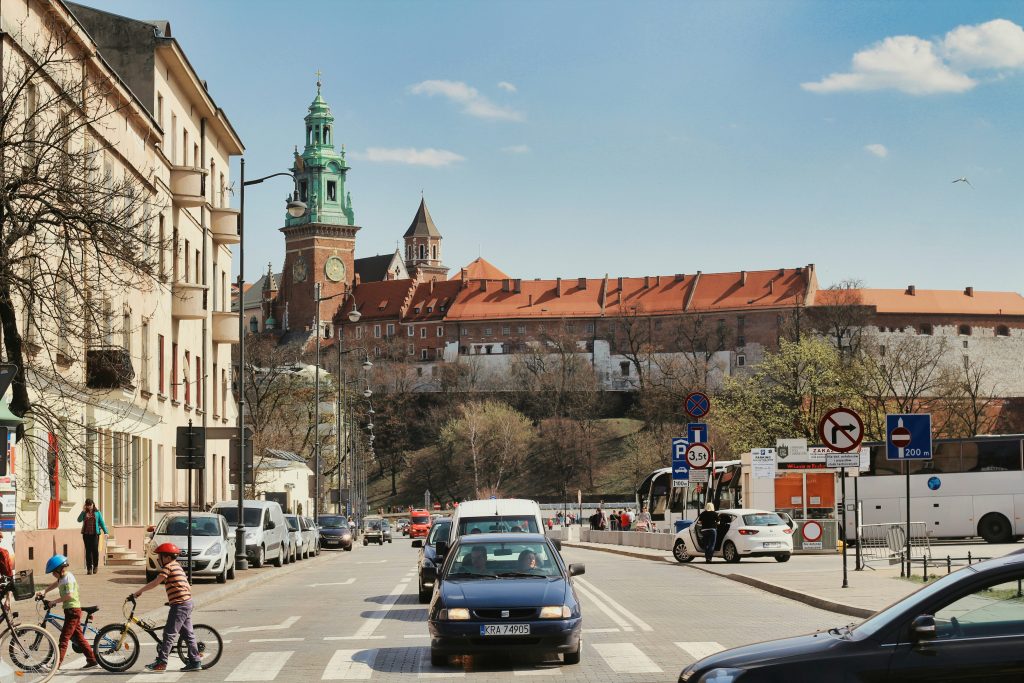
For destination managers, however, Krakow’s success carries a familiar set of risks. Stag and hen party tourism has placed significant pressure on the old town’s residential communities and on the character of the hospitality offer in parts of Kazimierz. The city’s municipal authorities have periodically consulted on restrictions on short-term rental accommodation and alcohol-led tourism, though comprehensive regulatory measures remain limited compared to those implemented in cities such as Amsterdam or Barcelona.
The practical implication for trade buyers is that product curation matters. Itineraries built around the mine, the Wawel, the cultural offer in Kazimierz and shoulder-season timing deliver a substantially stronger guest experience, and one more likely to generate repeat intent, than packages concentrated on the nightlife offer in the old town core.
Krakow’s fundamentals as a value destination remain strong. The question for the trade is less whether to include it in portfolio and more how to position it in a way that captures the city’s genuine quality while managing the reputational risks that volume tourism has introduced.
Like many low-cost destinations, as we discovered, the gap between Western and Eastern Europe is shrinking in terms of savings, you could say it was 2018 prices, but the city is worth a visit and the drinks and food on offer is perfectly adequate.