
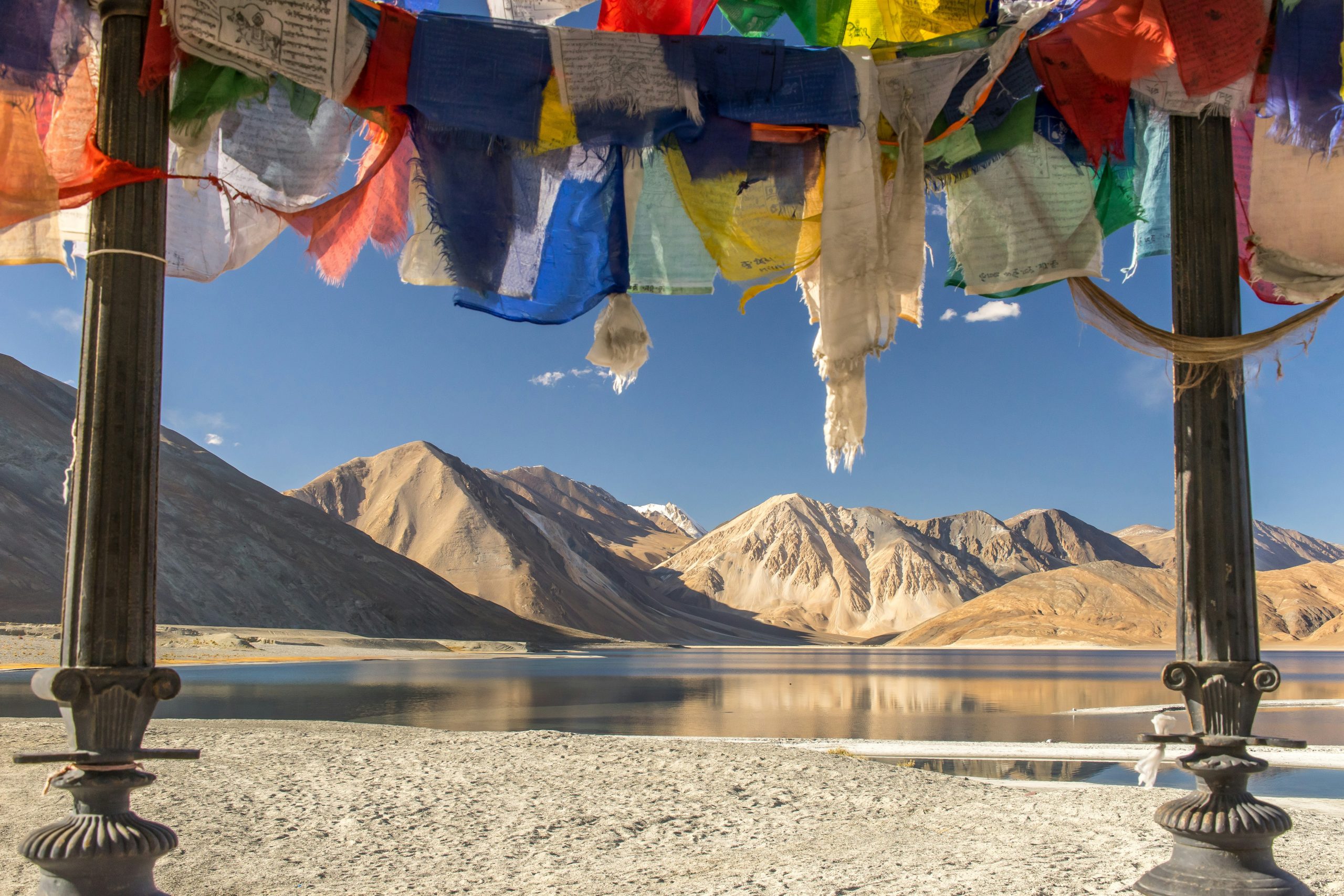
Ladakh is scaling up efforts to position itself as a high-value, low-impact destination, as India balances rising visitor numbers with environmental constraints in the Himalayan region.
The high-altitude territory, centred around Leh, has recorded steady growth in domestic tourism in recent years, with air connectivity improvements and road infrastructure upgrades supporting access. Tourism remains a primary economic driver, with seasonal demand peaking between May and September.
Indian government data show that Ladakh has experienced a strong rebound in visitor arrivals following pandemic-related disruptions, driven largely by domestic travellers. International tourism remains limited but is gradually recovering, supported by easing travel restrictions and niche demand for adventure and cultural experiences.
Investment has focused on transport and accommodation capacity. ರಸ್ತೆ improvements on key routes linking Leh with Manali and Srinagar have reduced travel times, while airport expansion plans aim to increase passenger handling capacity. Private sector investment in boutique hotels and eco-lodges has also increased, reflecting demand for experiential travel.
Authorities are placing greater emphasis on sustainability as visitor pressure on fragile ecosystems intensifies. Water scarcity, waste management and carrying capacity have emerged as key challenges, particularly in and around Leh. স্থানীয় administration has introduced measures to regulate tourist flows, including permit systems for sensitive areas and guidelines for responsible travel.
Community-based tourism is being promoted in المناطق such as Nubra Valley and Pangong Lake, where homestay programmes are designed to distribute income more evenly and reduce الضغط on urban centres. These initiatives are supported by central and regional schemes aimed at rural development and cultural preservation.
Over the next two to three years, Ladakh plans to expand renewable energy use within the tourism sector, including solar-powered accommodation and electric vehicle adoption for local transport. Waste management systems and water conservation projects are also expected to receive increased funding.
Seasonality remains a constraint, with harsh winter conditions limiting accessibility. Authorities are working to develop winter tourism offerings, including cultural festivals and adventure activities, to extend the visitor season and stabilise revenues.
Officials have indicated that future tourism growth in Ladakh will depend on strict adherence to sustainability guidelines, as the region seeks to avoid over-tourism while maintaining its appeal to high-spending travellers.