
Middle East travel and tourism grew 5.3% in 2025, outpacing the global sector growth rate of 4.1%, with Saudi Arabia accounting for nearly half of the region’s contribution and posting the strongest performance, according to the World Travel & Tourism Council (WTTC). The data sets a high baseline ahead of the disruption triggered by the Iran war.
The Middle East tourism sector contributed $385.8bn to regional GDP in 2025 and supported 7.1mn jobs, the WTTC said in figures reported on April 27. International visitor spending across the region rose 5.2%, against a global average of 3.2%.
Saudi Arabia leads the field
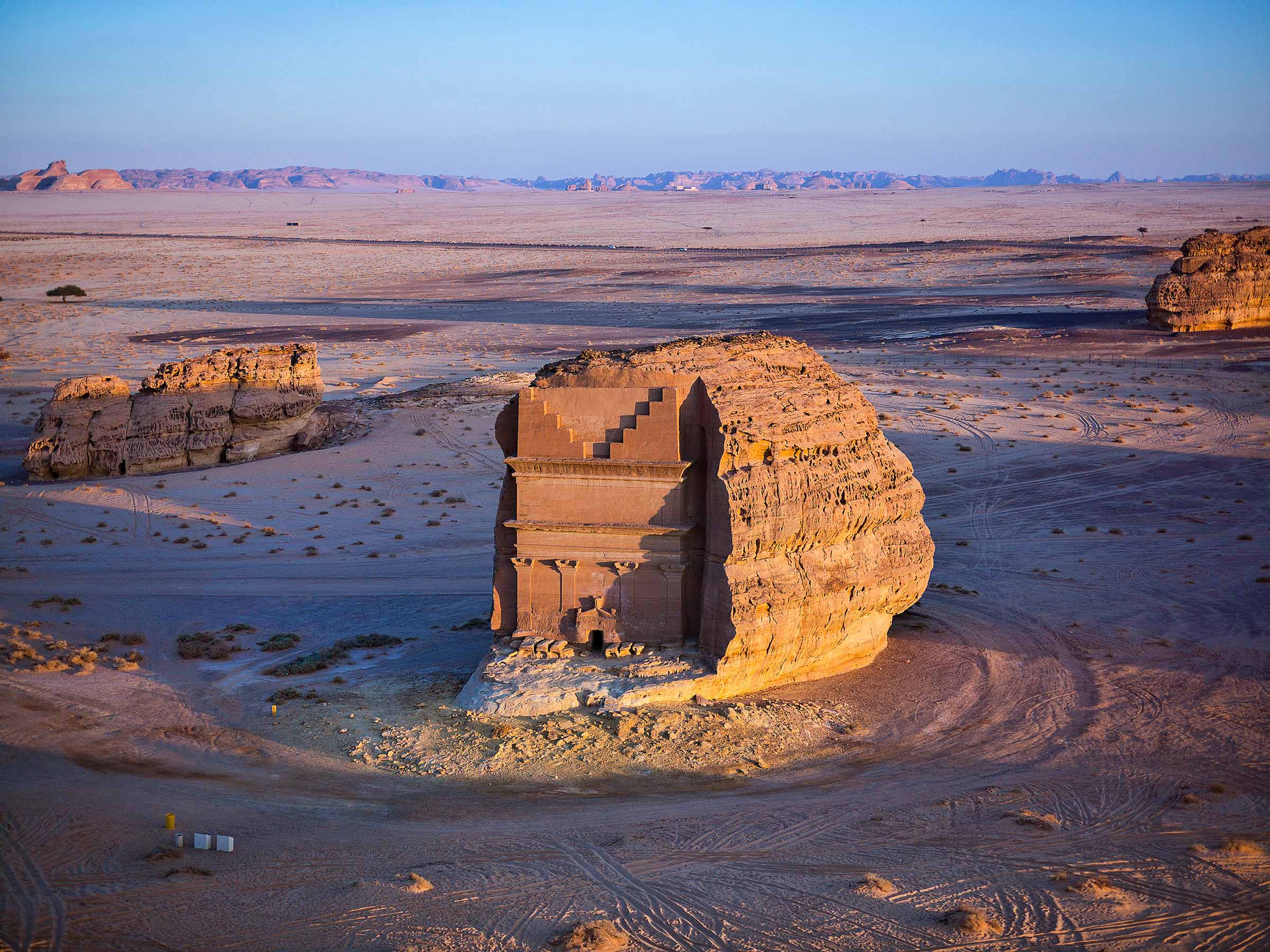
Saudi Arabia was the regional standout. Sector GDP rose 7.4% on the year, nearly double the global rate and around 40% above the regional average. The Kingdom contributed $178bn, or 46% of the regional total.
International visitor spending in Saudi Arabia climbed 8.2%, while business travel surged by more than 55%, reflecting both the maturing of the country’s MICE infrastructure and the expanding pipeline of Vision 2030-linked corporate travel.
The figures align with the Kingdom’s own 2025 data released earlier this month, which showed 123mn total tourists, 30mn-plus international visitors and $81bn in tourism spending. International tourism revenues grew 252% on 2019, the world’s fastest growth rate, according to UN Tourism.
UAE second, Jordan and Oman steady
The UAE tourism sector contributed $68.5bn to GDP, with international visitor spending of $56.9bn, the WTTC said.
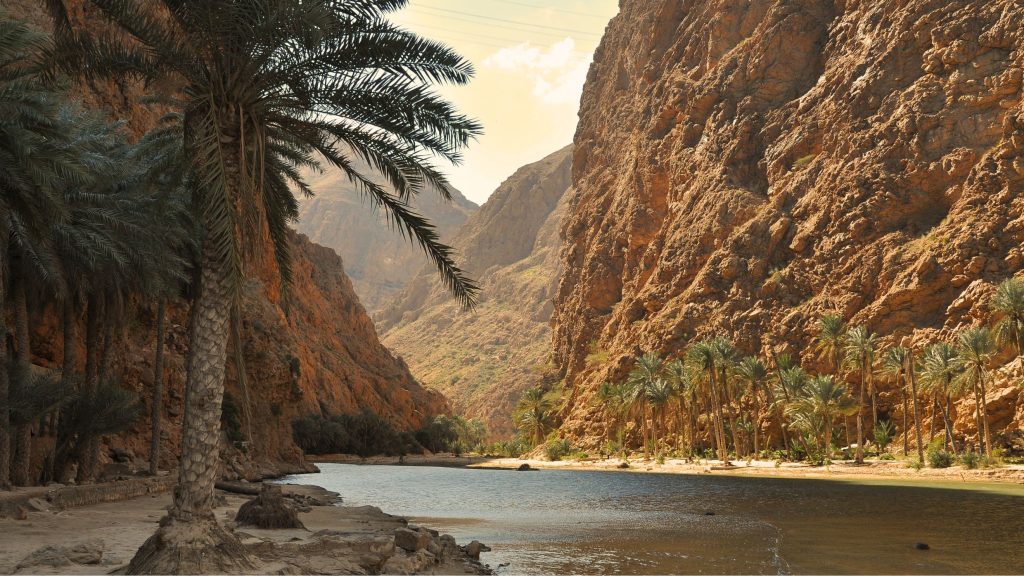
Jordan recorded 5.5% growth, with spending reaching $8.5bn. Oman also expanded by 5.5%, with sector GDP at $4bn.
Business travel spending across the three markets rose 23% in 2025.

What it means for trade buyers
For DMOs, hospitality investors, MICE planners and luxury travel specialists tracking the region, the WTTC data confirms several established trade narratives:
The Middle East has decoupled from broader global tourism growth, expanding at almost a full point above the world average and demonstrating sustained ability to attract higher per-visitor spend.
Saudi Arabia’s outperformance, particularly the 55%-plus business travel growth, reinforces the Kingdom as a structural growth market for corporate travel programmes. MICE infrastructure expansion, hotel inventory growth and event calendar density are all supporting that trajectory.
The UAE remains the regional bedrock for international visitor spend, with the $56.9bn figure underscoring its continued status as the GCC’s premier inbound destination.
Jordan and Oman’s mid-single-digit growth confirms both countries as steady performers, with Jordan’s resilience particularly notable given regional security headwinds.
Iran war disruption looms
The 2025 baseline now sits against the disruption from the US-Iran war that began on February 28 2026. WTTC estimates point to potential losses of up to $600mn for the regional industry.
WTTC analysis of previous crises suggests demand can rebound within two months of stabilisation, provided governments and industry move to restore traveller confidence.
“The Middle East’s performance in 2025 highlights the strength and long-term potential of travel and tourism, with the sector continuing to act as a key driver of economic growth, job creation and international connectivity,” WTTC president and chief executive Gloria Guevara said.
What to watch
Trade buyers should track:
- The pace of regional aviation network restoration following the April 7 ceasefire, with Aeroflot, Qatar Airways and Jazeera Airways among the most recent carriers to confirm route resumptions
- The next round of WTTC quarterly data, which will capture the first full effect of the Iran war disruption
- Recovery priorities and public-private coordination outcomes from the WTTC industry leaders’ gathering aboard the Crystal Serenity in Egypt in early May 2026
- Saudi Arabia’s continued progress against its revised 150mn-visitor target by 2030
- UAE inbound flows from Russia, India and East Asia following the easing of regional airspace restrictions