
Tourism is increasingly being restricted.
From Venice and Barcelona to Machu Picchu, Santorini and Dubrovnik, destinations are introducing visitor caps, access controls and tourism levies in response to mounting environmental and social pressures. What was once considered an exception is becoming a pattern.
Tourism has played a central role in creating the global appeal, and economic success, of these destinations. Yet increasingly, it is also contributing to the degradation of the very assets that made them successful.
In effect, tourism is beginning to run up against the limits of the places it helped to put on the map.

Tourism is no longer simply being promoted; it is now actively managed in response to its limitations.
Travel & Tourism is fundamentally dependent on nature.Wildlife, landscapes, rivers and seas are not just part of the experience – they are the foundation of destination appeal and sector performance.
Yet this dependence on nature remains poorly understood and rarely measured. As international arrivals grow, pressure on ecosystems increases, contributing to water scarcity, biodiversity loss and environmental degradation. As theseimpacts are felt locally, tensions can emerge between visitors and communities, and resistance to tourism can grow.
Over time, this begins to erode the natural systems and the social licence that tourism depends on – placing at risk not only individual destinations, but the long-term viability of the sector itself.
Addressing the problem at source
Most responses to overtourism remain reactive, with restrictions increasingly introduced to manage overcrowding and environmental stress. While often necessary, these measures tend to respond to visible pressure rather than address underlying causes.
What is missing is a clear understanding of the ecological condition of each destination – its “state of nature” – and therefore its capacity to sustain tourism over time.
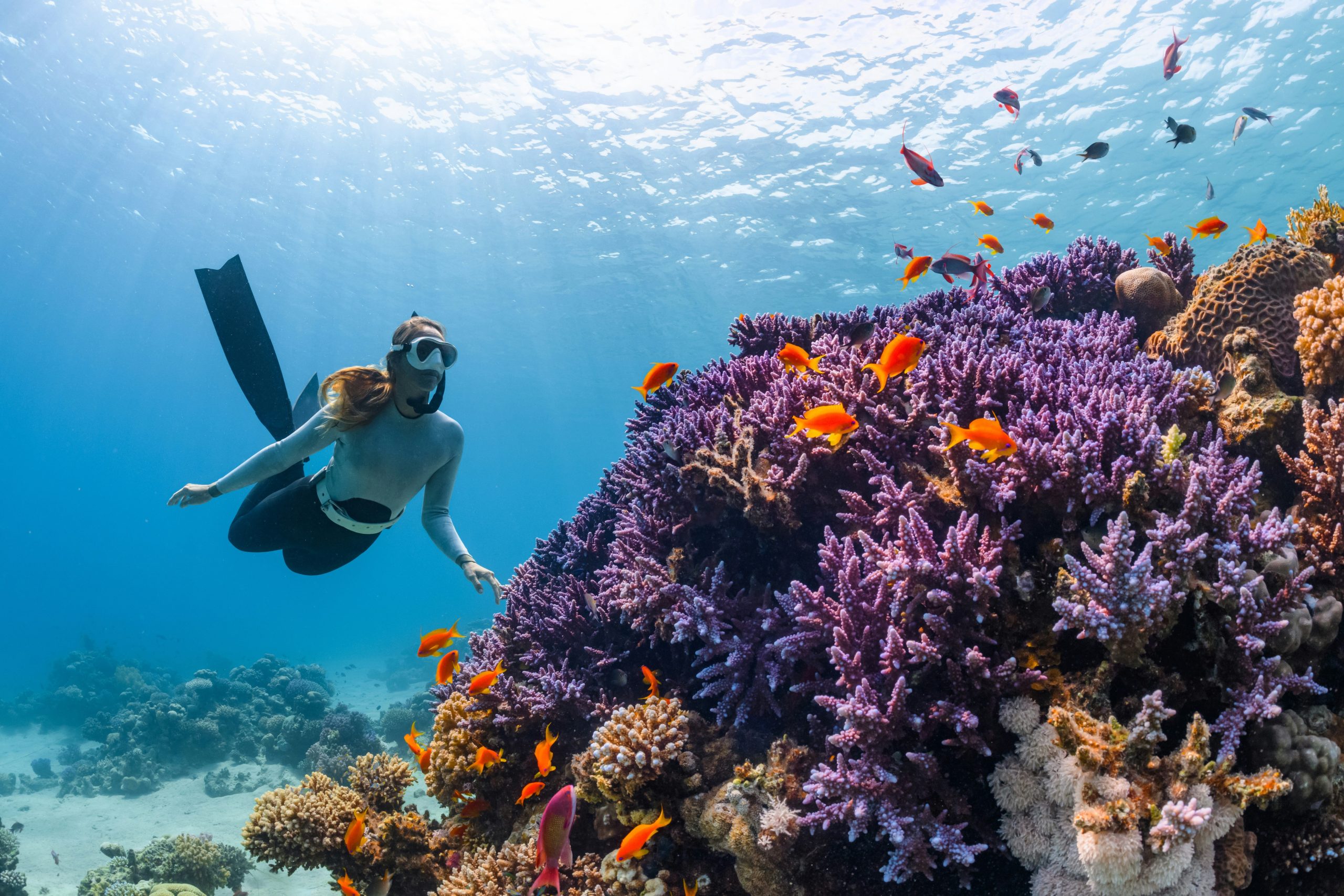
Tourism depends on nature more than most sectors. It defines destination appeal, while ecosystem services such as freshwater, stable climates and biodiversity underpin operations. Without careful management, tourism can degradeecosystems – placing pressure on resources, drivingbiodiversity loss and eroding the environmental and social value that makes places worth visiting.
Addressing this requires earlier insight: understanding ecological conditions well enough to act before limits are reached, not after they have been exceeded.
This is where the concept of nature intelligence is gaining traction, as highlighted in recent discussions led by UN Tourism on monitoring and disclosing nature-related risks and impacts. The focus is shifting towards integrating place-based, ecological data into tourism decision-making to enable more proactive and informed management.
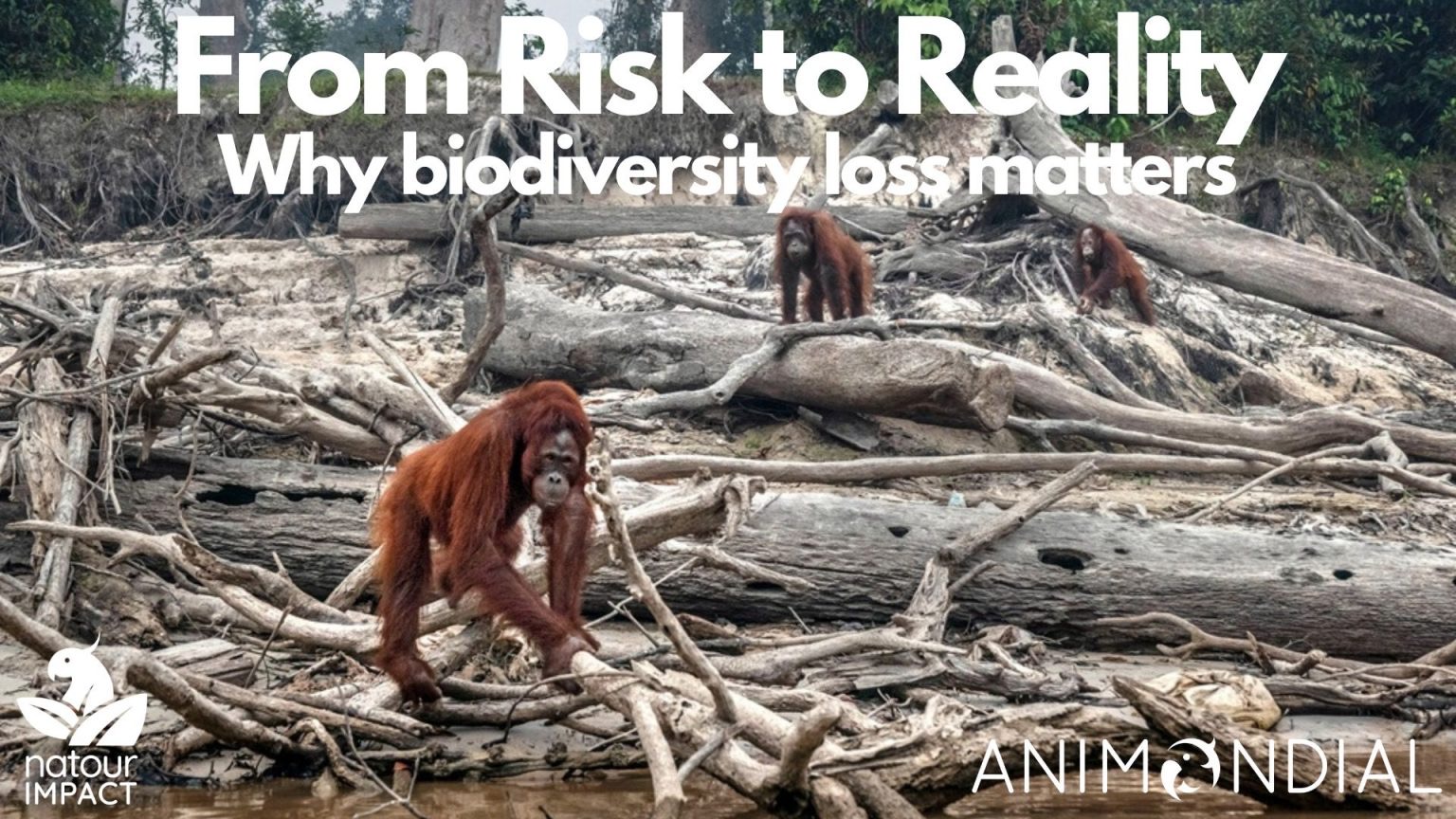
The Nature Positive Tourism approach
The Nature Positive Tourism (NPT) approach offers a practical way forward. Developed by ANIMONDIAL in collaboration with the World Travel & Tourism Council, and advanced through the Nature Positive Tourism Partnership (including UN Tourism and the World Sustainable Hospitality Alliance), and in consultation with the IUCN WCPA Tourism and Protected Areas Specialist Group, it aligns tourism with global biodiversity goals to halt and reverse nature loss.
Rather than treating sustainability as a broad commitment, NPT links business performance directly to the ecological condition of destinations. It enables tourism businesses to understand their dependence on nature, the impact they have on it, the risks they face as ecosystems degrade, and where they can take action to restore nature in the places they operate. This responds to a key limitation in current approaches, where businesses are often required to measure resource consumption and environmental outputs without corresponding accountability to reduce them. As a result, measurement alone does not necessarily lead to meaningful change. NPT addresses this gap by assessing real impact against place-based ecological data, linking performance more directly to outcomes.
This distinction matters because nature-related risks and opportunities vary significantly by business and location. Approaches based solely on standardised measurement fail to capture these differences, whereas effective responses must reflect local ecological conditions.
As highlighted in the Nature Positive Travel & Tourism in Action report, this reflects a wider sector shift from minimising harm to actively contributing to nature restoration in line with global biodiversity goals and national to local conservation priorities.
In simple terms, NPT helps tourism businesses understand their relationship with nature in a way that enables more informed and effective decision-making. This reflects a broader challenge: as noted in the IPBES Business and Biodiversity Assessment, “Businesses operate within systems that are not always aligned with a sustainable future. Creating the right conditions – through policy, finance, technology and shared values – is essential to support nature and society.”
From awareness to action
To apply Nature Positive Tourism in practice, businesses need to understand their relationship with nature through four key areas:
• Dependencies – what ecosystem services the business most relies on (e.g. water, biodiversity, or land- or sea-scapes). • Impacts – how the business activities affect ecosystems both directly and through value chains (e.g. land use, water usage, animal welfare, pollution, emissions). • Risks – how changes to the natural environment, regulation, or resource scarcity could affect business performance (lack of freshwater or wildlife abundance). • Opportunities – where business action can restore nature, strengthen resilience and create better tourism experiences (e.g. investment in conservation priorities).
Together, these are referred to as DIROs, or a Nature-Risk Profile. They provide a practical way of translating nature-related information into decision-making, helping businesses prioritise where action can deliver the greatest benefit for both nature and long-term performance. Combined with place-based ecological data, they also support future risk planning by identifying how nature-related risks may evolve over time(e.g. supply chain disruption due to water scarcity).
This approach aligns with emerging global frameworks such as the Taskforce on Nature-related Financial Disclosures (TNFD), which is reshaping how businesses understand and disclose their dependencies and impacts on nature.
New tools for understanding nature
Alongside new frameworks, a growing set of practical tools is helping tourism businesses navigate their nature-related risks and impacts.
The award-winning NATOUR IMPACT assessment tool supports the identification of nature-related impacts, risks and opportunities. Biodiversity Literacy for Tourism training builds sector-wide understanding of nature-related issues. The Toolbox of Nature Positive Travel & Tourism Resources and Action Sheets, produced for the Nature Positive Tourism Partnership, on regenerating destinations and monitoring nature-related risk, translate concepts into practical, place-based action.
At the same time, emerging place-based approaches to monitoring and disclosing nature-related risks and impacts are strengthening how nature is integrated into decision-making and reporting. Scientific advances such as environmental DNA (eDNA) are improving how biodiversity is measured, offering more consistent and scalable insight into ecological change.
Together, these sector supporting tools strengthening the foundations for more transparent reporting and more reliable nature-related disclosure – an area of growing importance for investors, regulators and destinations.
A more informed future for tourism
The future of tourism will not be defined solely by growth in visitor numbers, but by how well the sector understands and manages its dependence on nature.
A nature-positive approach strengthens destination resilience, protects natural systems and supports long-term viability, while aligning with rising expectations for greater transparency and measurable outcomes. This represents a broader shift from assumption to evidence, and from reactive management to nature intelligence.
A nature-positive approach strengthens resilience, protects natural systems and supports long-term viability, while aligning with rising expectations for transparency and measurable outcomes. This marks a shift from assumption to evidence, and from reactive management to nature intelligence.
Tourism does not necessarily require fewer travellers; it requires better information, better decisions, and a clearer understanding of the natural systems on which it depends.This is becoming increasingly urgent as biodiversity loss and ecosystem degradation intensify, pushing destinations to impose restrictions in order to manage tourism pressure and safeguard increasingly fragile natural systems.
Without a joined-up understanding of these dynamics through a nature-related risk lens, responses will remain fragmented – managing symptoms in one place while risks build in another.
A more integrated approach is now required – one that recognises tourism not only as part of the environmental system it depends on, but as an active participant in shaping its future.
With that comes responsibility. Through its investments, supply chains, partnerships and influence on travellers, tourism has the ability not only to reduce its impact, but to actively encourage better stewardship and support nature’s recovery.
The question is no longer whether tourism depends on nature, but whether it is prepared to take responsibility for sustaining it.
Case studies:
Assessing and reducing impact on nature: from measurement to action
DISCOVA develops tours across multiple destinations, working with an extensive supply chain to deliver a wide range of animal- and nature-based experiences.
Working with ANIMONDIAL and using the NATOUR IMPACT assessment tool, the company has identified its nature-related impacts, risks and opportunities. The process translates assessment findings into practical outputs, including clear recommendations and prioritised actions to reduce and mitigate impact over time.
Suyin Lee, Managing Director for Discova, said:
“Assessing our risks and impacts on nature is a critical first step in determining how we prioritise meaningful action. ANIMONDIAL has helped us make a thorough assessment, and we are now using the findings, along with Nature Positive Travel & Tourism guidance, to ensure we take meaningful action to contribute to the global goal of halting and reversing nature loss by 2030.”
Applying Mitigation Hierarchy – to define priority actions to minimise impacts (Maldives)
At the InterContinental Maldives Maamunagau Resort, protecting and preserving the local lagoon and surrounding ocean is a top priority. Through collaboration with the Manta Trust, the hotel follows a specific action plan to protect its beautiful surroundings for the community, which includes several innovative energy- and waste-saving measures at different levels of the Mitigation Hierarchy. This includeddiverting organic waste into composting systems to prevent ocean contamination, generating around 8% of energy through solar power to reduce emissions by 365 tonnes annually, and using advanced water ultrafiltration systems capable of treating up to 155,000 litres per day to reduce pressure on marine resources.
Gathering biodiversity data – monitoring biodiversity in the destination
Posidonia oceanica is a species of seagrass that grows only in the Mediterranean Sea, underpinning several natural habitats and providing many local and regional ecosystem services. The seagrass is normally found in water temperatures of 15ºC – 25ºC, however the Mediterranean is warming very fast with temperatures above 30ºC in summer in some areas. Iberostar – together with the Mediterranean Institute for Advanced Studies (IMEDEA) – is working to identify seagrass meadows that have a genetic tolerance to high temperatures and could be used to restore other meadows suffering from increased temperatures. Cameras will also be installed at the Iberostar Alcudia Park hotel to measure the evolution of the state of the beach in the face of the effects derived from climate change, using video images alongside information from installed sensors and tide gauge records
Together, these examples illustrate a broader shift: from assessing impact in theory to implementing measurable, operational actions that reduce harm and support nature-positive outcomes.
ANIMONDIAL
ANIMONDIAL supports the tourism sector to betterunderstand and manage its relationship with nature, combining expertise in animal welfare science, biodiversity impact and nature conservation. It is focused on helping tourism businesses integrate biodiversity considerations into decision-making, reduce enviornmental harms and support ecosystem recovery.
The organisation collaborates with industry bodies including ABTA, the World Travel & Tourism Council, UN Tourism and the Global Sustainable Tourism Council (GSTC), and has developed a range of practical tools and guidance to support NPT implementation, including the NATOUR IMPACT assessment tool, Biodiversity Literacy for Tourism trainingand the Nature Positive Tourism framework.
Toolbox of resources:
NATOUR IMPACT Assessment tool. https://animondial.com/natour-impact/
Nature Positive Tourism Partnership (2026) Action Sheet 2: Monitoring and Disclosing Nature-Related Risks and Impacts. https://www.untourism.int/nature-positive-travel-and-tourism .
Mandić, A., et al. (2025) Strengthening sustainable tourism’s role in biodiversity conservation and community resilience. IUCN WCPA Issues Paper Series No. 07. https://iucn.org/sites/default/files/2025-07/issues-paper-no.-7-strengthening-sustainable-tourisms-role-in-biodiversity-conservation-and-community-resilience.pdf .
Nature Positive Tourism Partnership (World Tourism Organization (UN Tourism), World Travel and Tourism Council (WTTC) and Sustainable Hospitality Alliance (SHA)) (2024) Nature Positive Travel & Tourism in Action. https://www.e-unwto.org/doi/epdf/10.18111/9789284425020 .
Nature Positive Tourism Partnership (2025) Action Sheet 1: Regenerating destinations through Nature Positive Tourism. https://sustainablehospitalityalliance.org/wp-content/uploads/2025/11/Nature-Positive-Action-Sheet-1.-Regenerating-Destinations-4.pdf .
Turner, D. (2023) Travel and tourism: Priority actions towards a nature-positive future. Sector Actions Towards a Nature-Positive Future. Business for Nature https://static1.squarespace.com/static/5d777de8109c315fd22faf3a/t/6616527e5773210c485a71e8/1712738945790/Travel+and+Tourism_Overview.pdf .
Daniel Turner
Daniel is an environmental biologist specialising in Nature Positive Tourism and animal welfare, supporting governments and industry to translate global commitments into on-the-ground outcomes. For over 20 years, he has advised governments, tourism businesses and sector bodies on embedding biodiversity and nature considerations across tourism systems and destinations. He is co-founder of ANIMONDIAL, a specialist consultancy focused on pragmatic, evidence-based solutions.