
Oman’s tourism sector posted total output of RO2.28bn ($5.93bn) in 2025, up 7.8% on the previous year, data from the National Centre for Statistics and Information (NCSI) released over the weekend reported.
The sector’s direct contribution to GDP at current prices climbed 3.7% year on year to RO1.13bn ($2.94bn) by the end of December, up from RO1.09bn a year earlier. Direct value added rose 4% to RO1.10bn over the same period.
Visitor spending was the standout driver. Tourism consumption jumped 11.6% to roughly RO1.17bn ($3.04bn), pointing to firmer domestic travel activity alongside higher inbound expenditure. Total output of RO2.28bn compared with RO2.11bn in 2024.
What’s driving growth
Tourism consumption was the headline figure for trade buyers, climbing 11.6% to around RO1.17bn ($3.04bn). The pace points to higher per-visitor spend and a more active domestic leisure market, both of which feed directly into hotel ADR, F&B revenue and ancillary spend.
Accommodation services led the sub-sector breakdown with a 17% jump to RO252.1mn ($655mn), suggesting healthy occupancy and rate growth across the Sultanate’s hotel stock. A wider basket of tourism-related services rose 18% to RO197.9mn. Restaurant revenue grew 3.5% to RO198.9mn, while transport services edged up 1.1% to RO196.5mn.
Travel agency contraction signals channel shift
Travel agencies and booking services were the only category to contract, falling 12.2% to RO242.7mn. The decline reflects a wider regional pattern of inbound travellers moving towards direct online bookings, OTAs and metasearch platforms, with traditional intermediaries under pressure to reposition around niche, high-touch and B2B segments.
For trade partners, the data suggests opportunity in specialised products — adventure, cultural and luxury itineraries — where curated expertise still commands a premium over commoditised online channels.
Q4 plateau worth watching
Quarterly figures showed a flatter close to the year. Tourism’s direct contribution to GDP in the fourth quarter of 2025 was RO330mn, marginally below the RO331mn recorded in Q4 2024, accounting for 3% of total GDP.
The softer fourth quarter follows a strong nine-month run and may indicate base effects rather than underlying weakness, though it bears watching as 2026 trading begins.
Vision 2040 backdrop
Tourism is one of several priority sectors identified under Oman Vision 2040 for diversifying the economy away from hydrocarbons. Sustained policy support, expanded airlift, growing hotel inventory and integrated developments along the Musandam, Dhofar and Sharqiyah coasts have underpinned the trajectory.
Muscat has also expanded visa-on-arrival eligibility and stepped up destination marketing in priority source markets across Europe, Asia and the GCC.
Implications for trade buyers
For DMOs, tour operators and hospitality investors tracking the GCC, the 2025 numbers reinforce Oman’s positioning as a growth market with rising yield rather than purely volume-led expansion. The combination of double-digit accommodation growth, rising consumption per visitor and a softening intermediary segment points to a market where supplier margins and direct distribution strategies are gaining ground.
The 2026 outlook will hinge on regional stability, oil price dynamics affecting fiscal headroom for tourism investment, and the pace at which new room inventory comes online across the Sultanate’s flagship destinations.
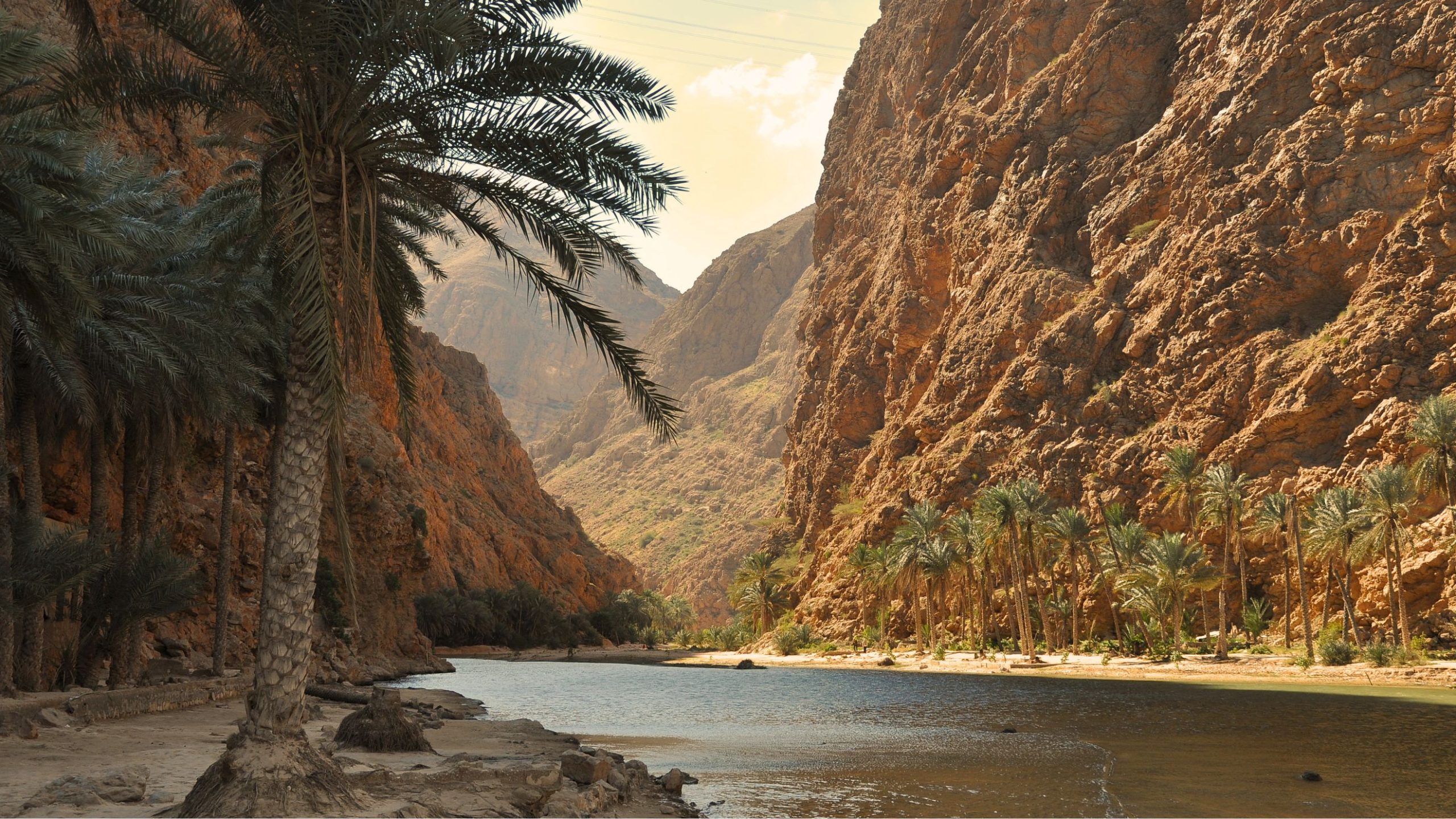
The country has also been promoting itself as an adventure and cultural travel destination, drawing on its mountains, deserts and coastline as well as historic sites including Nizwa Fort and the Bahla Fort UNESCO World Heritage Site.