
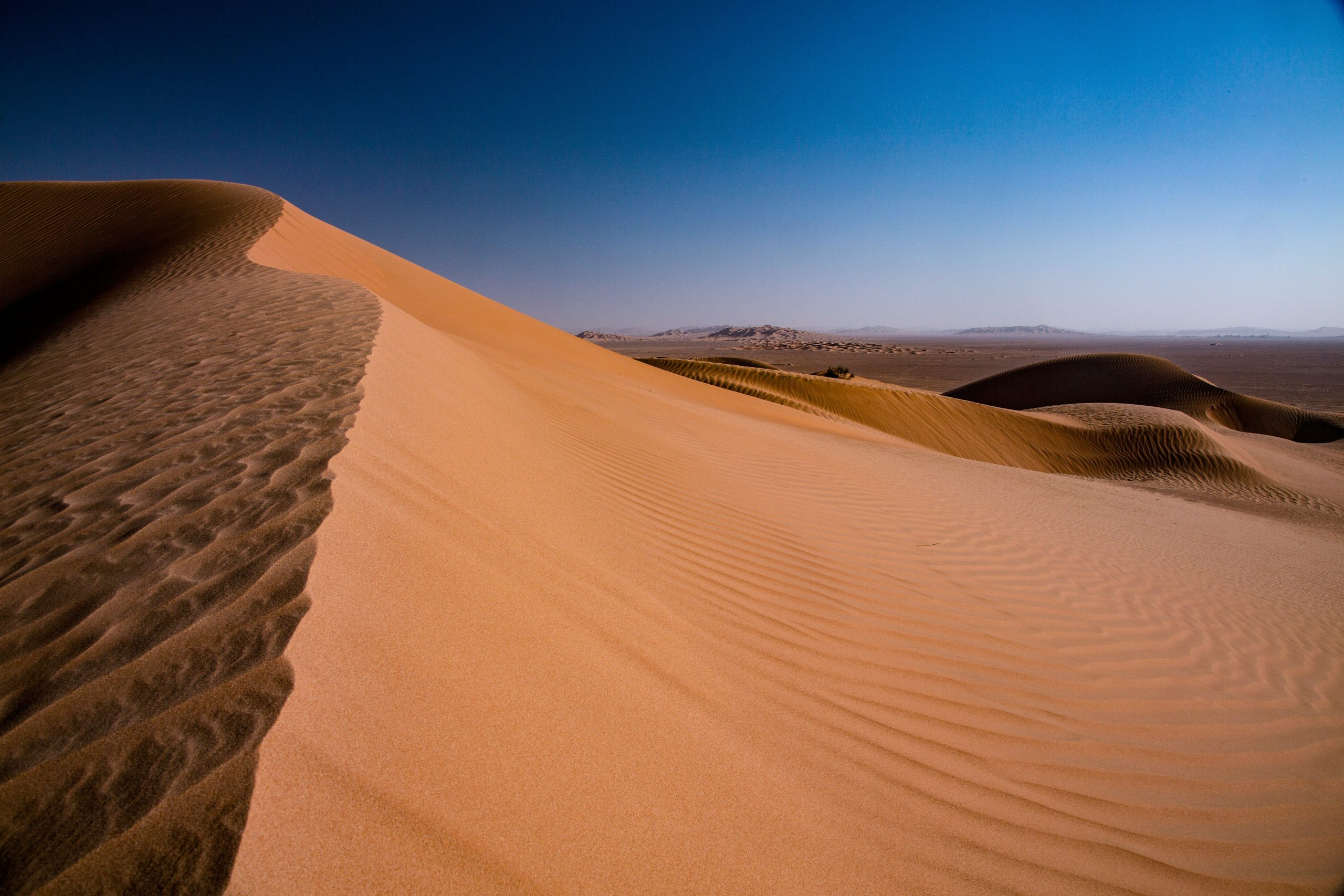
Dhofar, the southernmost governorate of Oman, is drawing renewed international attention following the approval of two trekking routes through Jabal Samhan Nature Reserve that trace sections of the ancient caravan paths once used to carry frankincense across Arabia and on to markets as far as Rome and the Far East. For travel trade professionals considering southern Arabia for their clients, the timing is worth noting.
Salalah, Dhofar’s capital, sits more than 1,000km from Muscat, nestled between Yemen, the Rub’ al Khali and the Arabian Sea, making it the furthest and most remote province in Oman. That distance has historically kept it off the radar of international itinerary planners. The destination is now beginning to address that gap in earnest. Against the Compass
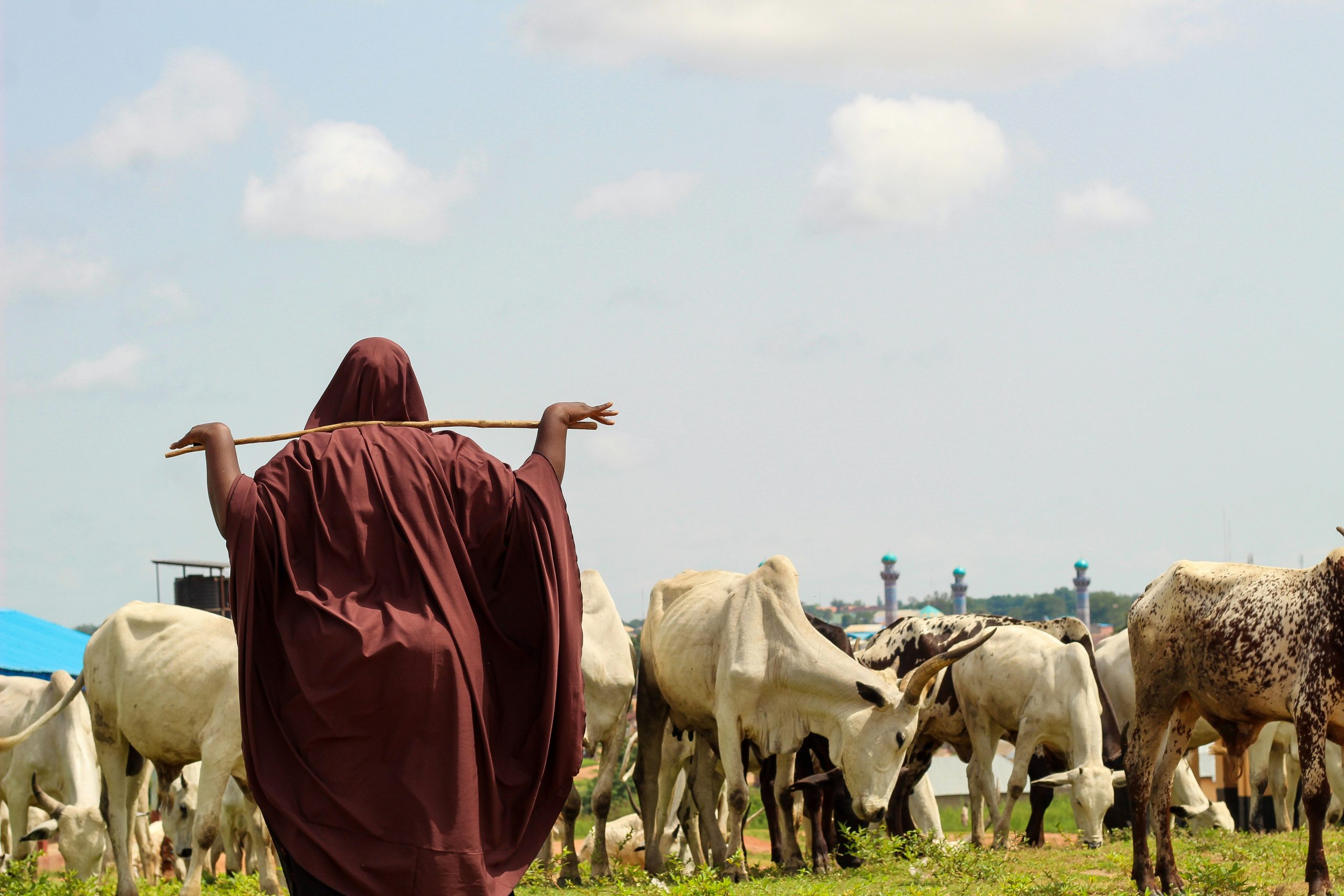
The 2024 Khareef monsoon season drew more than one million visitors to the governorate, and long-range targets set under Oman Vision 2040 aim for more than three million annual visitors by 2040, with the Khareef season expected to carry a substantial share of that traffic. The Traveler
The frankincense trekking initiative sits within this broader push. Jabal Samhan Nature Reserve covers 4,500sq km, with limestone peaks rising to more than 2,100m, cut through by deep canyons and plateaus, and is home to both frankincense trees and rare wildlife, including the endangered Arabian leopard. Plans for the routes include direction signboards, internationally recognised trail markers, rest areas, designated camping sites, and waste facilities. Muscat Daily
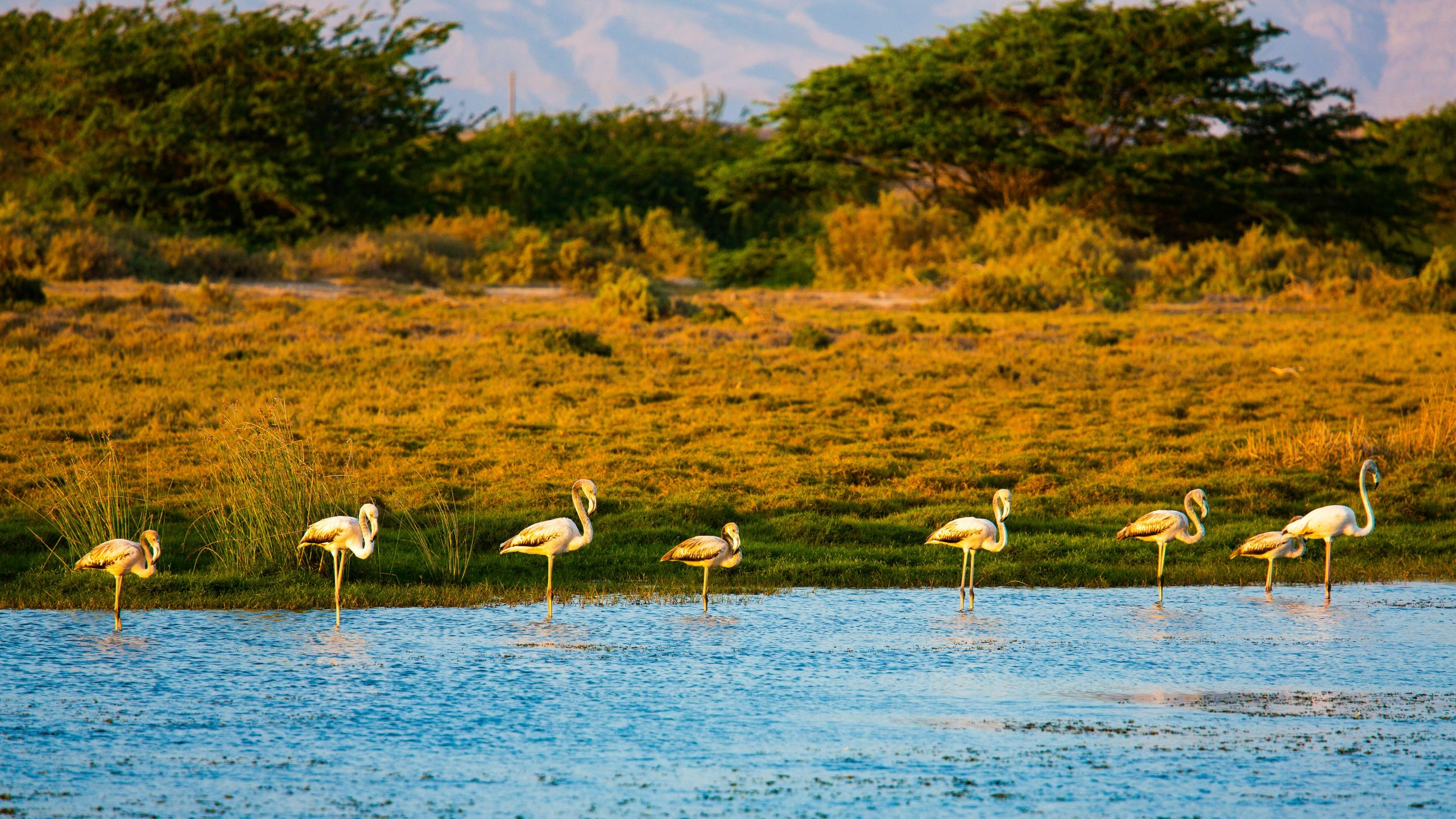
The frankincense trade route connected Dhofar to Egypt, the Mediterranean, India and beyond, flourishing roughly between 700 BC and 200 AD, carrying not just resin but silk, spices, pearls and ebony. The region’s heritage sites — including Wadi Dawkah, Sumhurum and Al Baleed — are collectively inscribed as a UNESCO World Heritage Site under the Land of Frankincense designation. Signatureluxurytravel
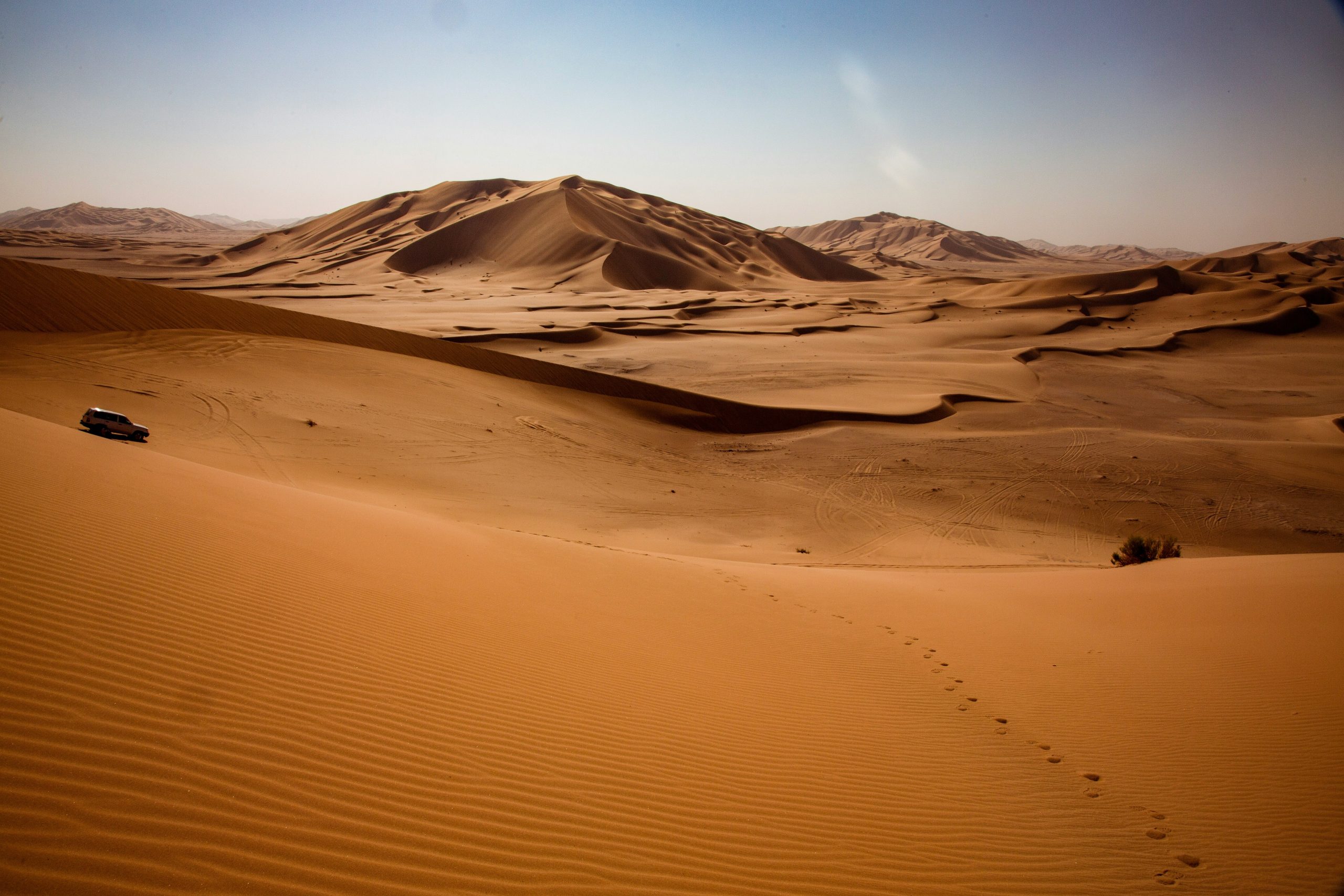
The destination’s appeal, however, extends beyond its ancient credentials. Dhofar experiences a tropical monsoon season from June to August, during which its landscapes are covered in mist and green meadows, a phenomenon unique in the Arabian Peninsula. Wadi Darbat, a key natural site, comes alive during Khareef with a serene lake and cascading waterfalls, while Mughsail Beach is known for its dramatic coastline and natural blowholes that send seawater surging through rocky crevices. Against the CompassPink Stone
On the investment side, Oman’s Ministry of Heritage and Tourism has announced a major integrated tourism complex in Salalah’s Januf district, with a total investment of OMR80mn ($208mn), developed with Al Wathba Hospitality under a usufruct structure that allows foreign ownership. Travel And Tour World
Infrastructure improvements ahead of the 2026 Khareef season include upgrades to roads linking Salalah to mountain and coastal viewpoints, expanded parking at popular sites, and enhancements to signage and safety infrastructure along key visitor routes. The Traveler
Salalah International Airport, the country’s second largest, receives direct flights from across the Gulf and several international carriers, making access straightforward for regional and European visitors alike.