
Most travellers who come to Argentine Patagonia head west, toward glaciers and granite towers. The country’s eastern coastline has largely been left to the wildlife — until now.
In April 2025, Chubut province established the Patagonia Azul Provincial Park, a new natural protected area spanning 295,135 hectares along its Atlantic coast, stretching from Cabo Dos Bahías south to Bahía Bustamante. The creation of the park, which places a coastal area roughly the size of Yosemite National Park under protection, was the result of six years of work by Rewilding Argentina, in collaboration with local communities, the town of Camarones and the Governor of Chubut province, Ignacio Torres.
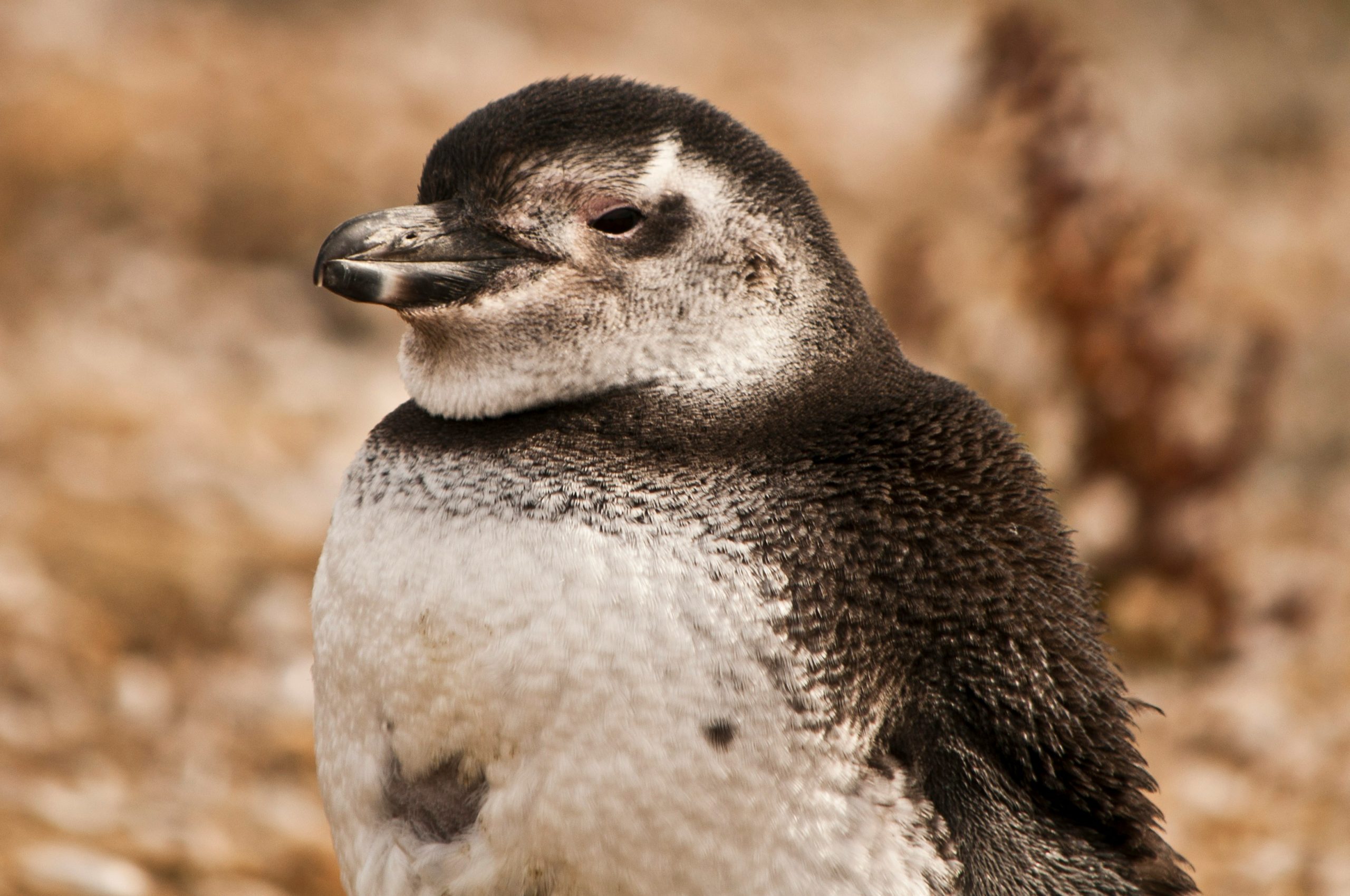
The park sits within the UNESCO-recognised Patagonia Blue Biosphere Reserve and the wildlife case for visiting is compelling. The protected waters host humpback and sei whales, South American sea lions, Magellanic penguins, giant petrels and imperial cormorants, alongside kelp forests, rocky intertidal zones and more than 60 islands and islets in the open Atlantic. On land, guanacos and pumas roam a steppe that drops into cliff-edged coast.
The 400-kilometre coastal corridor connecting Rawson to Comodoro Rivadavia passes through a sequence of distinct landscapes: the Rocas Coloradas sector in the north contains geological highlights including Valle Lunar, a meteorite field and a petrified forest estimated at over 60 million years old. Isla Leones offers birdwatching, Commerson’s dolphins and, seasonally, whale encounters, with free campsites and self-guided coastal trails.
There are currently two access points at Isla León and Bahía Bustamante, where free campsites are open to visitors. Rewilding Argentina plans to develop Tova Island as the park’s main entrance, with a small port for tourist and research vessels, and a proposed Huella Azul coastal trail.
The entire park has been declared a no-take zone for fishing, an important protection measure given the scale of industrial trawling that previously threatened the area’s sea birds, penguins and sea lions as bycatch.
The nearest gateway is Trelew, around 250 kilometres to the north, served by domestic flights from Buenos Aires. The austral summer, from November to March, offers the most reliable wildlife encounters and the best coastal walking conditions.