
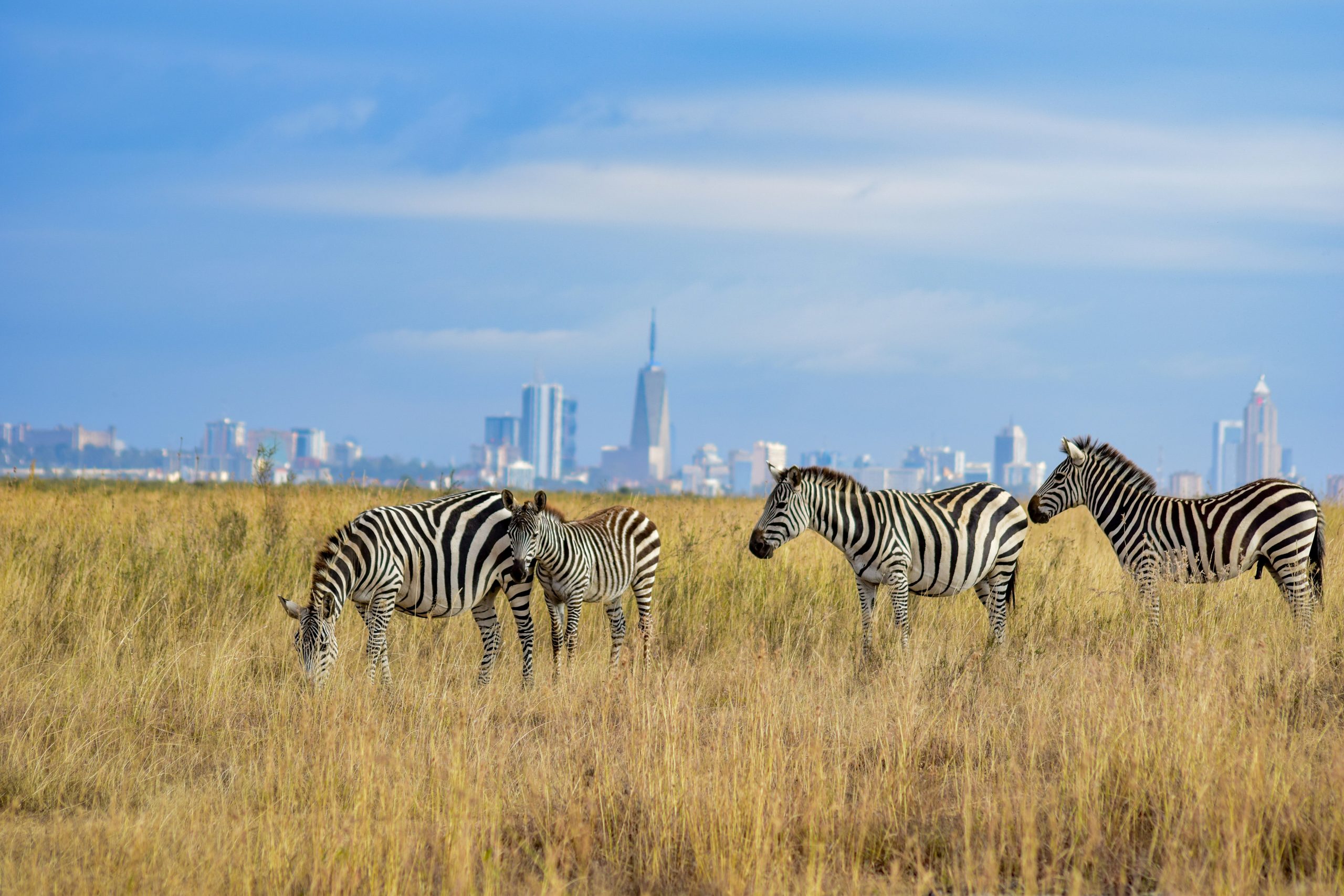
Nairobi has long been the gateway to East Africa’s wildlife circuits, but a more layered city has been taking shape around that reputation — one that holds the continent’s most active technology ecosystem, a rapidly maturing food scene, and some of the world’s most unusual urban geography, including a national park that begins at the city’s edge.
The tech identity
M-Pesa, the mobile payments platform that launched in Kenya in 2007, is largely credited with Nairobi’s rise as a technology hub. It pioneered a secure platform that enabled people to transfer money using only their mobile phones, setting a template that fintech companies across the world would later study. The Borgen Project The ecosystem now spans startups and investors operating across fintech, e-commerce, healthcare and agriculture, with global players including IBM, Intel and Microsoft having established a presence in the city.
iHub and Nailab, both founded in 2010, serve as the two most prominent incubators, designed to accelerate African innovation and draw together technologists, entrepreneurs and investors. The physical expression of the wider national ambition sits 64 km south of the city: Konza Technopolis, a gazetted Special Economic Zone being built across three counties, is envisioned as a smart city and a key component of Kenya’s Vision 2030, designed to host business process outsourcing, a science park and, eventually, a digital media city.
The United Nations is planning to relocate the global offices of UNICEF, UN Women and UNFPA from New York to Nairobi by late 2026, which would position the city alongside New York, Geneva and Vienna as one of only four cities hosting multiple UN headquarters.
Getting around the city
Nairobi’s neighbourhoods read like a map of its contradictions. Westlands is the restaurant and nightlife district. Karen, to the south, is leafy and low-rise, anchored by the Karen Blixen Museum. The central business district is dense, loud and market-driven. Between them sit street food vendors, an art scene in Kibera, tea farms in nearby Limuru and a Rift Valley viewpoint at Kikopey, where long-haul truckers stop for goat meat cooked over coals.
Nairobi National Park
Nairobi National Park covers 117 sq km on the city’s southern outskirts, making it the only national park inside a capital city in the world. Lions, black rhinos, leopards, buffalo, giraffe and zebra are present, though no elephants, as the Athi-Kapiti corridor has been too developed. The park gates open at 6am, and the early morning game drive against a skyline backdrop is one of the more unusual wildlife experiences available anywhere in the world.
Karura Forest
Karura Forest covers 1,041 hectares within the city limits — one of the largest gazetted urban forests in the world. The trail network runs to over 50 km, taking in waterfalls, rivers and a network of caves used during the Mau Mau uprising in the 1950s. Bicycles can be hired at Gate C for KES500 (around USD4) for a two-hour rental. Entry fees for non-residents run to approximately KES600.
Food and dining
Nairobi Restaurant Week, organised by Eat Out Kenya and endorsed by the Kenya Tourism Board, concluded its 2026 edition in February, with the platform recording more than 1.5 million seat reservations in 2025 alone. TOP25 Restaurants International is set to release the first-ever TOP25 Restaurants Kenya guide later in 2026, describing the country’s dining landscape as experiencing “strong momentum and increasing international relevance” as gastronomy tourism grows globally.
Standout food experiences range from nyama choma at Kikopey and tilapia fried to order at City Market to the INTI restaurant in the One Africa building in Westlands, a Nikkei-Peruvian concept in a glass dome on the 20th floor with 360-degree views, currently described as the “it” dinner reservation of 2026.
Getting there
Jomo Kenyatta International Airport (NBO) is the main regional hub, with direct connections from London, Amsterdam, Dubai, Doha, Nairobi and Johannesburg. Wilson Airport, closer to the city centre, handles light aircraft connections to safari destinations across Kenya and beyond.