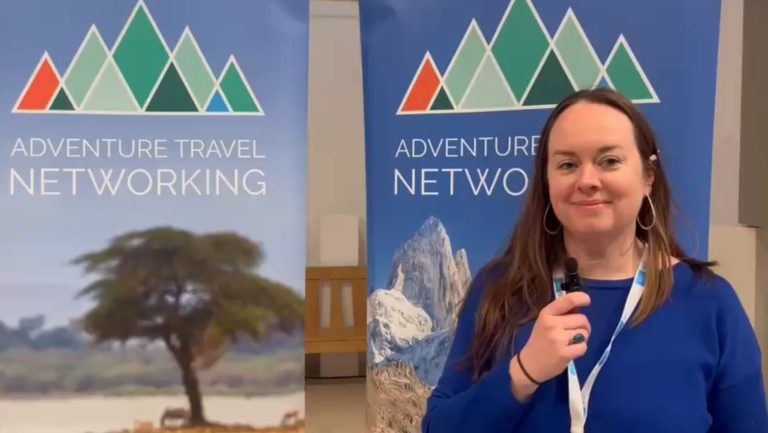
Self-guided itineraries are pulling ahead of group tours across the UK adventure travel trade, with operators reporting a parallel surge in women-only departures and a marked shift towards destinations closer to home. That is the read from Pru Goudie, founder of Adventure Travel Networking, the body that serves the UK adventure travel sector, who spoke to Emerging Travel from a trade conference in Catalonia. For operators weighing where to put product and marketing spend in a year of flight disruption and squeezed household budgets, her members’ signals point to immersive, lower-risk travel and to a handful of emerging destinations now drawing serious investment.
Self-guiding continues to lead the way, Goudie said, and the format carries advantages for travellers and local economies alike. Because self-guided trips tend to move in pairs or groups of two to four, travellers can stay in small local hotels with only two or three rooms, deepening the sense of an immersive experience and channelling spend to local businesses.
Women-only travel is the other clear riser. A growing number of companies now offer women-only tours, guided by women and often using women as DMCs. At the Catalonia conference alone, Goudie said she had already met three or four companies dealing specifically in women-only departures.
Closer to home is the phrase that keeps recurring. Goudie attributes the pull towards nearby destinations partly to the political situation, with UK travellers seeking places where flights are less likely to be disrupted and where an immersive experience does not require crossing half the world.
Central Asia is the standout in that bracket. Goudie said the region has been growing for a long time and is getting stronger, with more countries being added to itineraries, and showed no sign of slowing.
Angola is the newer name. Goudie flagged it as a destination now being invested in and promoted to the UK market, calling it exciting after years of the same East and Southern African countries being pushed. Customers, she said, are looking for somewhere new, somewhere they have no preconception of, and somewhere genuinely to discover.
The Nordics, meanwhile, are on the up and have been for some time, helped along by the climate. Travellers are choosing not to head to hotter parts of Europe in July and August, instead wanting a close-to-home trip in a climate that suits them better. Goudie described the region as well placed for the premium adventure traveller.
The challenges are less cheerful. World instability is the big one, and it arrives bundled with flight disruption and cancellations. Goudie said many of the European operators in her membership are dealing with cancellations because they could not get seats, with the alternative flights on offer so expensive that operators are choosing to cancel rather than postpone. That, she said, is causing a headache across the European operator base.
The cost of living is the other drag, with no end in sight to rising prices and inflation. Customers are still travelling, but they are being selective about where they go, which loops back to the closer-to-home pattern.
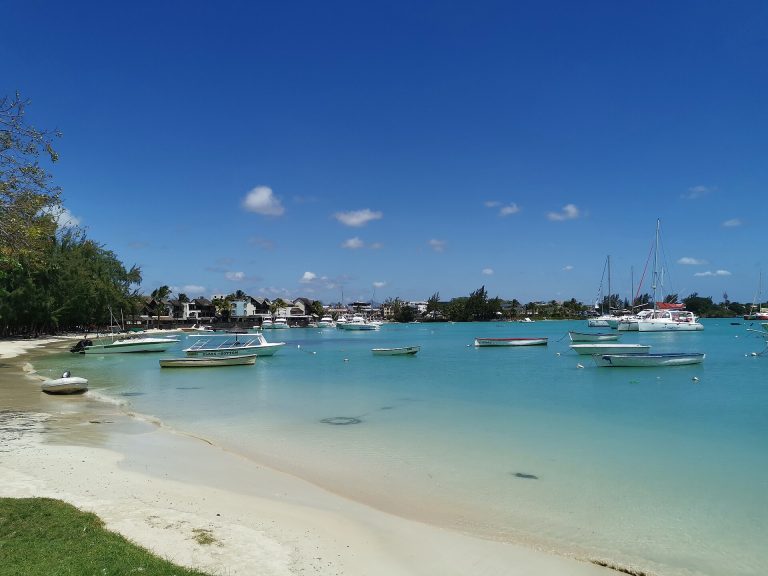
One long-haul exception is doing well. The Caribbean is performing strongly, Goudie noted, helped by direct, easy flights and a reputation as low-risk and safe.
Safety is front of mind throughout. Goudie said travellers are still travelling but choosing carefully. They have the money and the intent to go; they are simply deciding where.
- Operators should weigh skewing product towards self-guided formats, which suit small-inventory local accommodation and command premium positioning.
- Women-only departures are a defined growth niche, with demand for female guides and female-led DMCs.
- Central Asia, Angola and the Nordics are the destinations drawing fresh UK interest, with Angola the clearest greenfield opportunity.
- Flight instability is pushing European operators to cancel rather than rebook, a margin and reputation risk worth contingency planning.
- The Caribbean remains the resilient long-haul outlier on the strength of direct, low-risk access.