
Cameroon is pressing ahead with Ndollè City, a $10.7bn ecotourism and digital urban development project in the Littoral Region that its backers say could attract 5 million tourists a year and become one of Central Africa’s most ambitious public-private infrastructure ventures, with oversight committee meetings now under way following a tripartite agreement signed in August 2025.
The tripartite protocol was signed on August 29, 2025, at the Hilton Hotel in Yaoundé, between the government of Cameroon, represented by the Ministry of Tourism and Leisure, the company Impex Trading SA, represented by its managing director Ngosso Abraham Junior, and the consortium Grand Impex Trading Ltd. The signing was presided over by Gabriel Mbaïrobe, interim Minister of Tourism and Leisure, in the presence of government ministers, regional governors, and investors. 237infos
The total investment cost is put at XAF6,500bn (FCFA), equivalent to $10.7bn, and the first phase will be built on a 1,500-hectare site at Sikoum-Dibamba in the Sanaga-Maritime department of the Littoral Region. The site lies approximately 30 kilometres from Douala, Cameroon’s economic capital and largest city.
Phase 1 was officially launched on July 25, 2024, under the supervision of Yvette Ndengue, deputy prefect of Sanaga-Maritime. Cameroon Files The official presentation and launch ceremony took place on December 17, 2024, at the Palais des Congrès in Yaoundé, presided over by the Minister of Tourism and Leisure, Bello Bouba Maigari, acting as representative of the Prime Minister. Journal
The project is the flagship initiative of the World Dream Investment programme, conceived in 2012 by entrepreneur Ngosso Abraham Junior, managing director of Impex Trading. The programme has taken 14 years to reach its current stage, with the signatories including 25% former civil servants, 60% multinationals, and the remainder international financial executives. 237infos
On March 31, 2026, the Ministry of Tourism and Leisure hosted the first meeting of the operational monitoring and evaluation committee for the tripartite agreement. The session was chaired by the Ministry’s Secretary General, Ndioro A Mamoum, with Ngosso Abraham Junior serving as vice-president of the committee, Actu24 reported on March 31. Actu 24
Earlier in April 2026, the Secretary General of the Ministry of Tourism and Leisure visited the Sikoum site to assess conditions ahead of a groundbreaking ceremony. “We have walked the site together and we can confirm this is not a fiction, but a reality,” he said after the visit, according to Cameroon Tribune. Cameroon-Tribune
By October 2025, the Ministry of Finance had validated the registration of the investment convention as a credit convention, in line with recommendations from the Bank of Central African States (Beac), clearing the project’s financing line and bringing it into compliance with regional regulations on large-scale investment flows. News du Cameroun
In terms of scale, the projections are far-reaching. The project is expected to generate around 2 million direct and indirect jobs, draw more than 5,300 international companies from approximately 100 countries, and involve 12,000 local small and medium-sized enterprises. Ndollè City also meets the criteria of a 2025 presidential ordinance targeting the creation of 2,325,000 national jobs, including for the diaspora.
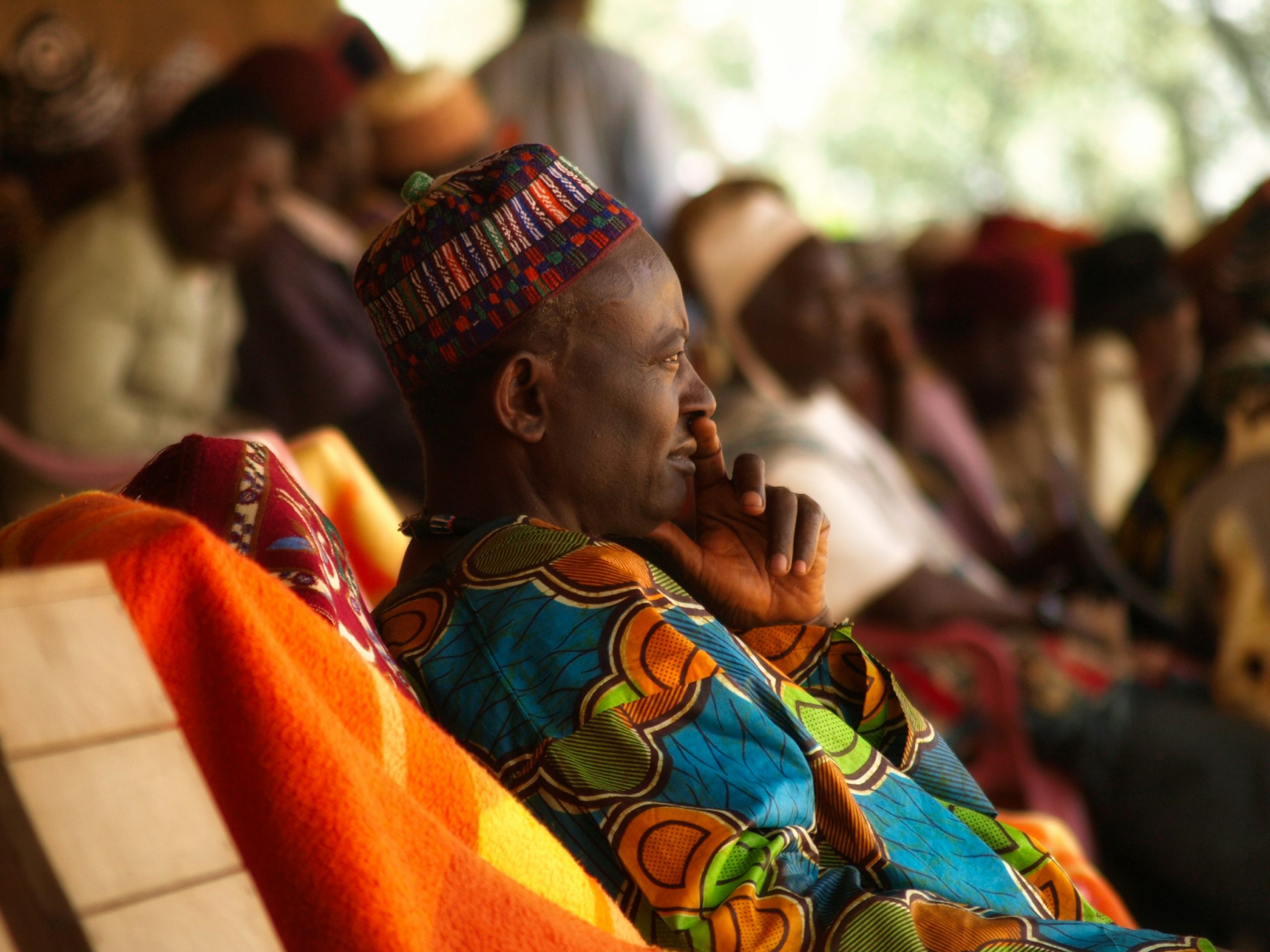
The project’s tourism target of 5 million visitors annually is well above the projections in Cameroon’s own 2020-2030 strategy document, which set a figure of 3,500 tourists per year. Africa First Club
The development is positioned as a decongestion project for Douala. According to the project coordinator, the congested socio-economic nature of Douala prompted the creation of a new space to host industrial and service activities, with Ndollè City intended to make Cameroon a regional economic reference point.
The architectural concept was developed by Finnish architect Mauri Tommila, who specialises in the construction of new ecological cities, and Ndollè City is described as only the third project of its kind globally, following precedents in China.
The seven-year construction timeline for Phase 1 is part of a broader 25-year programme that its promoters say will eventually be replicated across all ten of Cameroon’s regions.
“Ndollè City is not just a tourist complex; it is a growth engine that will catalyse the emergence of a new generation of entrepreneurs and professionals in services and tourism,” said interim Tourism Minister Mbaïrobe.