
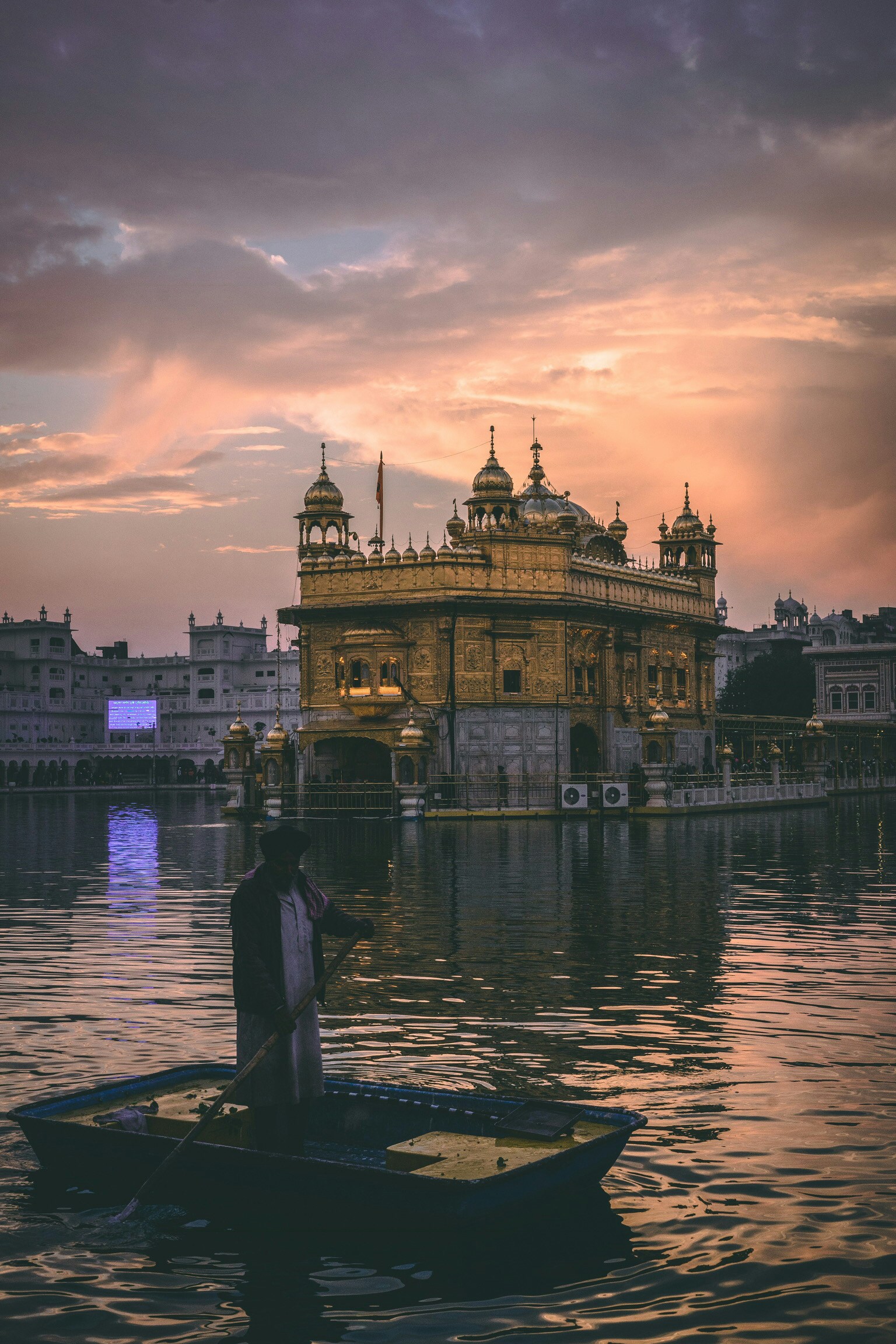
Punjab, the north-western Indian state that stretches from the foothills of the Himalayas to the plains bordering Pakistan, is drawing growing attention from international travellers and the travel trade as a destination that sits well beyond the Golden Triangle circuit and offers a depth of cultural, spiritual and natural experience that few comparable regions in South Asia can match.
The state’s name derives from the Persian for “five rivers” — the Sutlej, Beas, Ravi, Chenab and Jhelum — and its landscape reflects that identity: flat, fertile plains interrupted by wetlands, hill ranges and one of the densest concentrations of Sikh religious architecture anywhere in the world. Tourism in Punjab is anchored by Amritsar, but the city is far from the whole story.
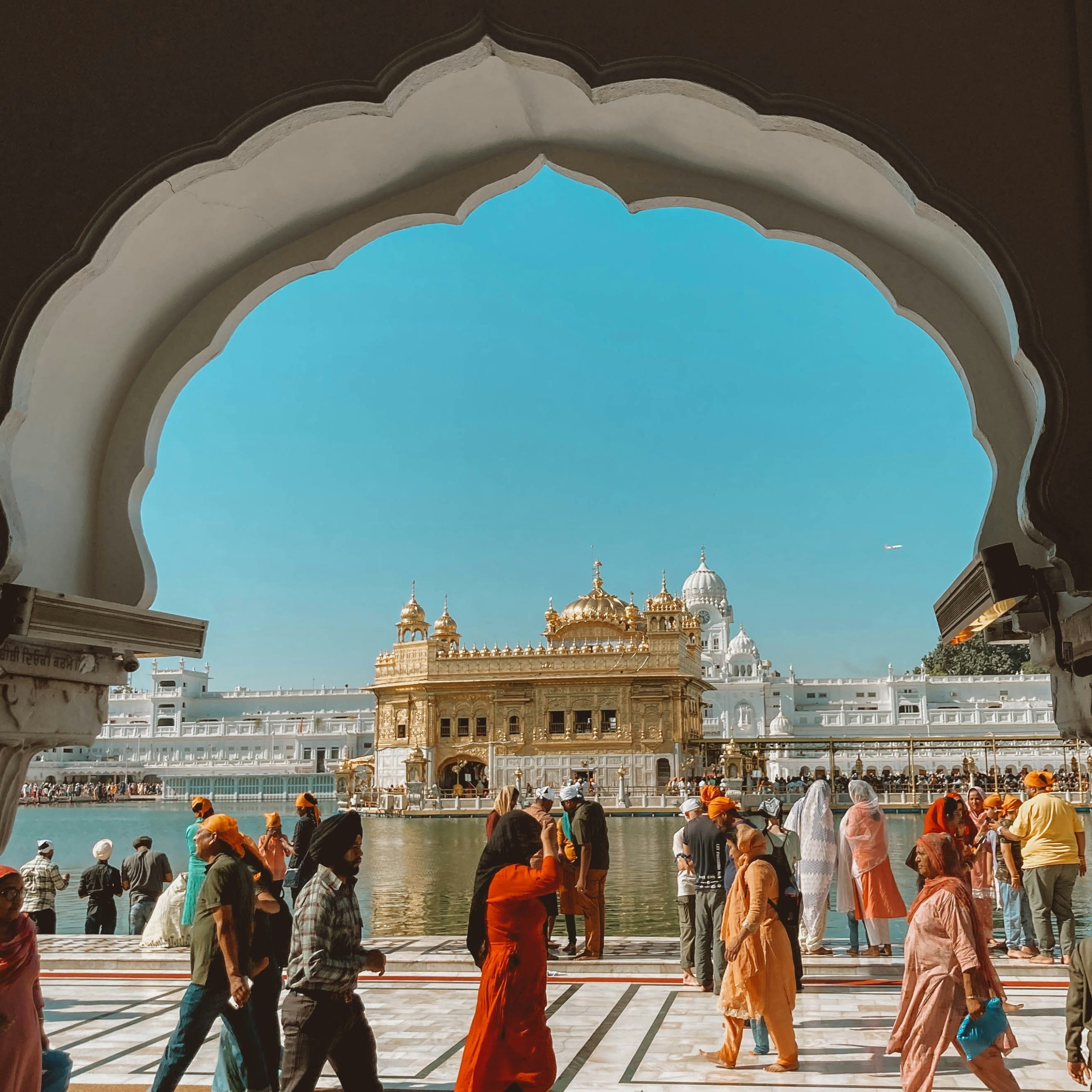
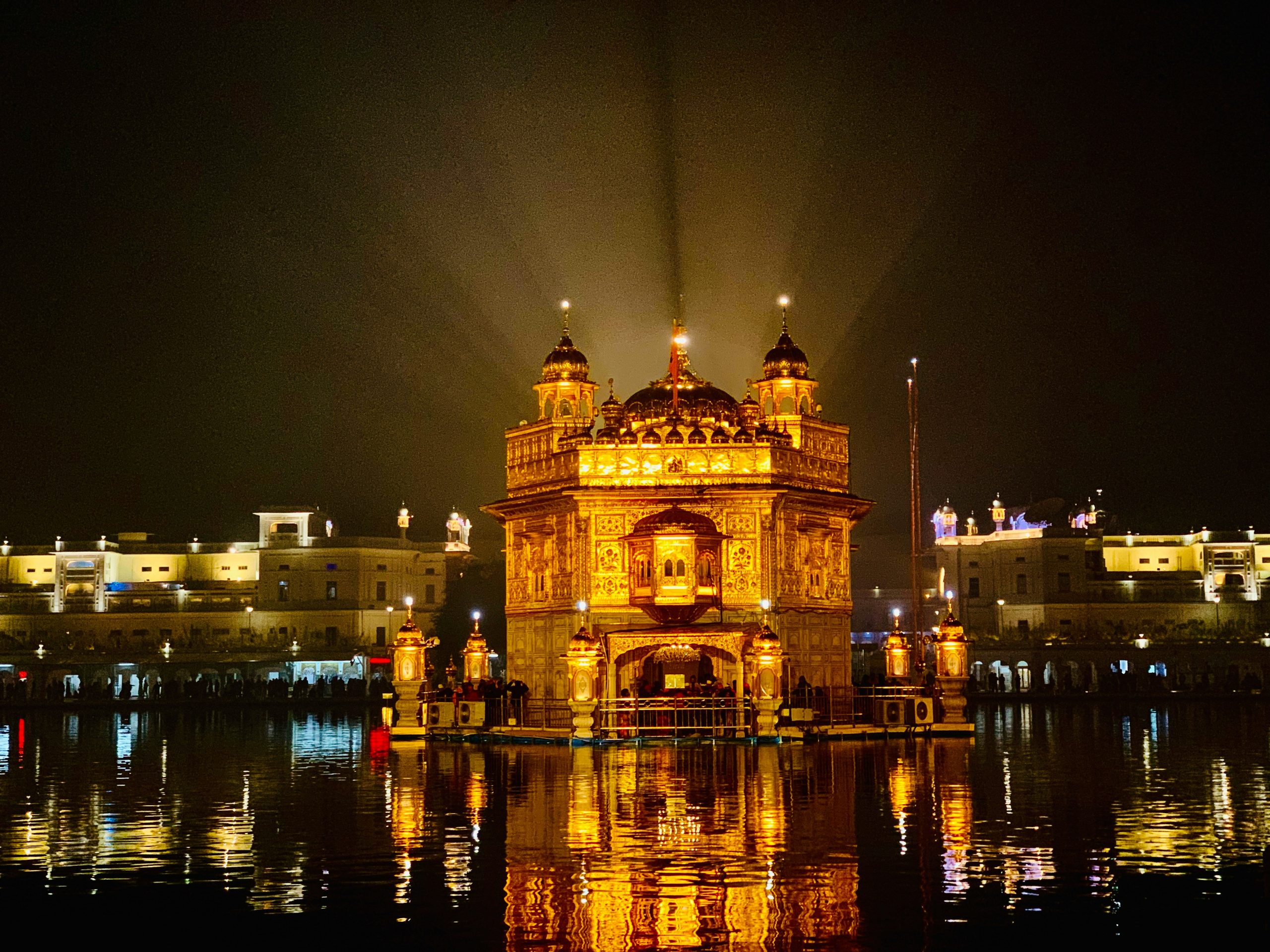
The Golden Temple, or Harmandir Sahib, remains the single most visited site in the state and one of the most significant religious destinations in Asia. The temple draws millions of visitors from around the world annually and operates the Guru-Ka-Langar, a community kitchen that feeds tens of thousands of people each day regardless of faith or background — an experience that travel specialists increasingly describe as one of the most distinctive in any itinerary across the subcontinent. Within Amritsar, the Jallianwala Bagh memorial garden, site of the 1919 massacre of Indian civilians by British colonial forces, and the Partition Museum, which documents the 1947 division of British India, give the city a weight of historical and emotional significance that few destinations its size can carry.
The Wagah Border ceremony, held daily at the crossing between India and Pakistan around 30 km from Amritsar, draws visitors in large numbers. Closely choreographed military drills, high-stepping guards and nationalist chanting from both sides of the frontier create a spectacle that functions simultaneously as geopolitical theatre and a powerful reminder of the subcontinent’s partition. What’s In Port
Beyond Amritsar, Punjab’s tourism offer is less well known to international markets but increasingly better supported by infrastructure. Rupnagar, a district on the banks of the Sutlej River, was named Punjab’s Tourism Destination of the Year at the second Punjab Tourism Recognition Awards held during the PITEX exhibition in December 2024, in recognition of its Indus Valley Civilisation heritage, Sikh sites, wetlands and Shivalik Hills scenery. The district has seen a rise in homestay networks, improved infrastructure, and community-led tourism initiatives.
The Ropar Wetland, a freshwater sanctuary within Rupnagar, attracts migratory birds and wildlife, while the Bhakra Nangal Dam and Gobind Sagar Lake offer panoramic views of the Shivalik range. Anandpur Sahib, within the same district, is one of the holiest sites in Sikhism — the city where the Khalsa, the community of initiated Sikhs, was founded in 1699 by Guru Gobind Singh. The Cruise Web
Harike Wetland, covering 4,100 hectares at the confluence of the Sutlej and Beas rivers, is the largest man-made wetland in northern India and holds Ramsar status. It supports populations of the smooth-coated otter, river dolphin and Indian wild boar, alongside hundreds of migratory bird species. Kenya News Agency
The state’s second-tier cities hold considerable appeal for travellers seeking less-visited heritage. Patiala, Bathinda and Faridkot contain marketplaces and forts that retain a sense of faded grandeur, with welcoming gurdwaras found throughout the state. Kapurthala, built under French architectural influence in the early 20th century, is sometimes called the “Paris of Punjab” for its European-style buildings and formal gardens. Cruise Timetables
The Qila Raipur Sports Festival, held annually in Qila Raipur village, is known as the Rural Olympics and showcases traditional Punjabi sports — bullock cart races, horse stunts, weight lifting and kabaddi — drawing athletes, farmers and spectators from across the state and beyond.
Connectivity is improving. Sri Guru Ram Dass Jee International Airport in Amritsar connects directly to major Indian cities and international destinations, while Chandigarh and Ludhiana airports handle additional domestic traffic. National Highway 1 and the Grand Trunk Road remain the principal road routes into the state. Cruise-arabia
India as a whole recorded 20.57 million international tourist arrivals in 2024, generating tourism receipts of $35.02bn and ranking 15th globally by receipt share. Punjab sits within that wider growth, positioned by the state government and the PHD Chamber of Commerce and Industry’s PITEX platform as a destination ready to absorb greater international visitor volumes.
Punjab’s strong diaspora connections with the United Kingdom and Canada give it a built-in international audience that many Indian states lack, and travel specialists note that this network increasingly functions as a referral channel for first-time visitors from those markets.
The best time to visit is October to March, when temperatures across the plains are mild and the harvest festivals of Lohri and Baisakhi fall within the travel season.