
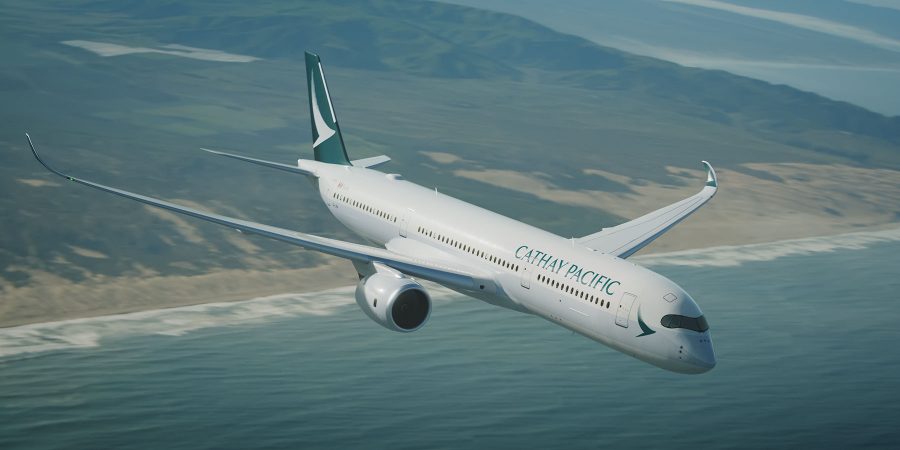
Cathay Pacific, Hong Kong’s flagship carrier, will lower passenger fuel surcharges across its entire network from May 16 following an easing of geopolitical tensions in the Middle East and a subsequent decline in international oil prices, The Standard reported on May 8.
Long-haul passengers travelling between Hong Kong and the Southwest Pacific, North America, Europe, the Middle East and Africa will see surcharges fall by close to USD25, dropping from HKD1,560 ($199) to HKD1,362 ($174), the airline said.
Medium-haul travellers flying to and from the South Asian subcontinent will pay HKD633 ($81) per ticket, down from HKD725 ($93). The levy on all other short-haul routes will be cut to HKD339 ($43) from HKD389 ($50).
The carrier said it would temporarily move to a fortnightly review of fuel surcharges, replacing its standard monthly assessment, in order to reflect rapid swings in jet fuel costs caused by conditions in the Middle East. The accelerated schedule was a provisional measure and would be reassessed once regional stability returned, the airline said, according to The Standard.
Hong Kong Secretary for Transport and Logistics Mable Chan welcomed the cuts to both passenger and cargo fuel surcharges by major local carriers. She said the Transport and Logistics Bureau would continue to monitor fee adjustments closely to ensure pricing mechanisms remained reasonable and transparent.
Chan said authorities planned to maintain ongoing communication with the aviation sector and would expand the public disclosure of surcharge data through existing online platforms run by the Travel Industry Council of Hong Kong and the Airport Authority’s HKIA Cargo Data Platform.
Cathay Pacific’s surcharge reductions follow a sustained drop in Brent crude prices since the ceasefire between Iran, Israel and the United States took hold, with airlines across Asia coming under pressure from regulators and consumer groups to pass on lower fuel costs to passengers.
The Hong Kong carrier had repeatedly raised fuel surcharges during the 40-day war, citing volatile spot prices for jet kerosene and the closure of key flight corridors over the Persian Gulf and Iranian airspace.