

In the rolling hills of north-eastern Togo, close to the border with Benin, stands one of West Africa’s most arresting cultural landscapes. Koutammakou — the Land of the Batammariba — is home to a people who have built, inhabited, and continuously rebuilt the same style of mud tower-house for several hundred years. Designated a UNESCO World Heritage Site in 2004 and expanded in 2023 to include its Beninese section, the site spans the border between the two countries and represents one of the few truly living heritage landscapes on the African continent.

The tower-houses at the heart of Koutammakou are known as takienta — or sikien in the plural. The Batammariba’s remarkable mud tower-houses reflect the social structure of the community, with farmland and forest woven into the landscape alongside ceremonial spaces, springs, sacred rocks, and sites reserved for initiation ceremonies. These are not ruins or reconstructions. Across the site, several thousand sikien have been identified, including 1,716 still inhabited in Togo alone. Katakenya
Most of these buildings have two storeys and either flat or conical thatched roofs, combining domestic living space with room for animals and granaries. The architecture is functional, symbolic, and deeply communal — each compound a self-contained world, oriented according to cosmological principles the Batammariba have maintained since migrating to the area sometime during the 17th or 18th century.
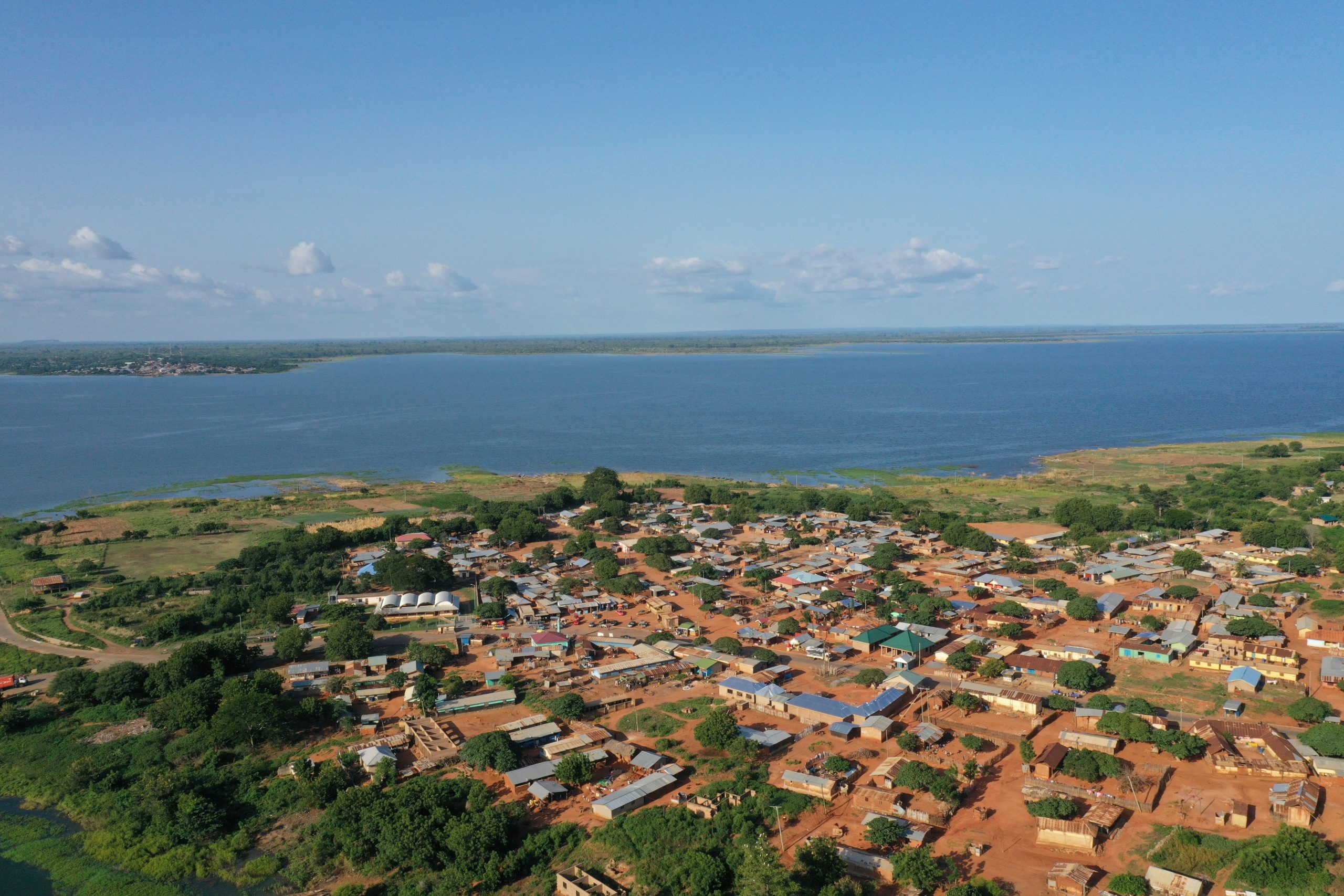
What makes Koutammakou genuinely rare among heritage destinations is precisely that it is not a museum. The site embodies a complete cultural system that has maintained its vitality for over 500 years, where architectural knowledge, agricultural sustainability, and social organisation combine in a way that continues to function today. Craft traditions including pottery, weaving, and metalworking remain active. The sacred forests, ritual paths, and initiation spaces are in use. Visiting requires sensitivity and, crucially, a local guide fluent in both the Batammariba language and cultural protocols.
For travel operators building West Africa itineraries, the practical picture is improving. The Togolese government’s current tourism strategy includes restoration of the Koutammakou cultural landscape as a central component, aimed at increasing accessibility and improving infrastructure around the site. UNESCO requires Togo and Benin to submit a joint conservation report by December 1, 2026, covering the site’s state of conservation and progress on a unified cross-border management plan — a process that is bringing renewed international attention and funding to the region.
The dry season between November and April offers the best access, with temperatures between 20 and 30°C, making it the window most suited to village homestays, cultural visits, and trekking in the surrounding national parks. A 4WD vehicle is essential for reaching the more remote compounds, and accommodation should be arranged in advance given the limited number of guesthouses in the area.
For the traveller who has seen the continent’s headline safari circuits and wants something entirely different — a destination where architecture, spirituality, agriculture, and daily life are still one unbroken thing — Koutammakou is among the most compelling places West Africa has to offer.