

Moldova will celebrate the 25th anniversary of National Wine Day in the capital Chișinău on October 3-4 under the slogan “United by Wine”, the country’s National Office for Vine and Wine said in a statement on May 15.
The event marks a quarter century since Moldova became one of the few countries in the world to dedicate a national holiday to wine. The annual celebration has grown from a domestic festival into what organisers describe as one of Europe’s notable open-air cultural events, drawing thousands of international visitors.
Wine remains a strategic pillar of the Moldovan economy, contributing roughly 3% of GDP and accounting for close to 8% of total exports. The landlocked Eastern European country now ships wine to more than 70 markets globally, with around 60% of exports destined for the European Union.
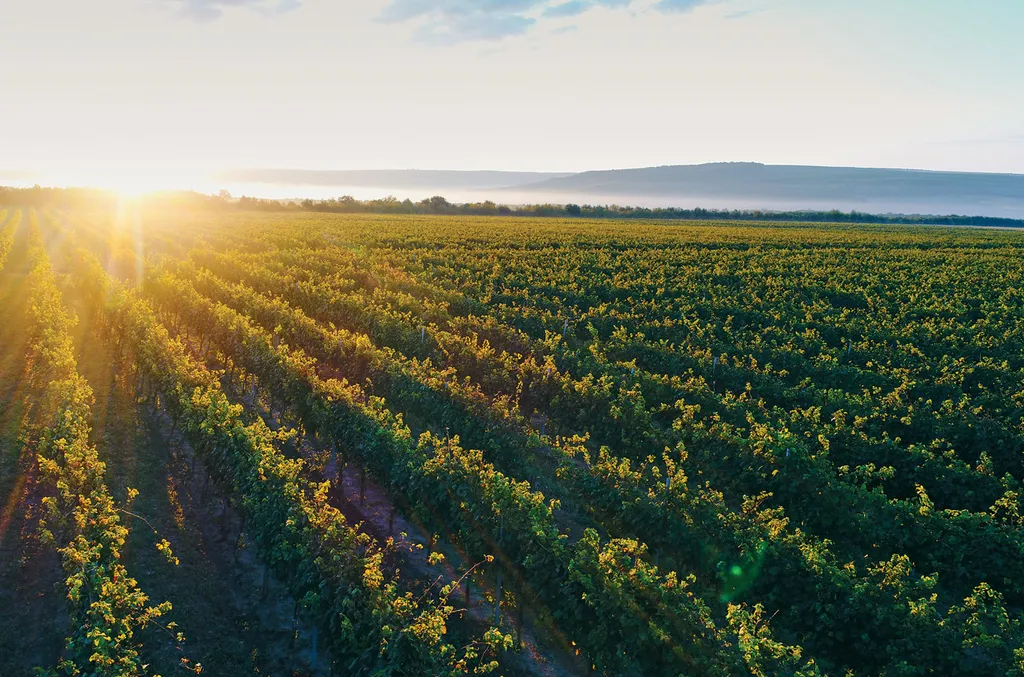
The anniversary edition will feature an expanded line-up of wineries from across the country and curated tastings designed to spotlight the diversity and terroir of Moldovan production.
“Moldova’s wine sector has evolved significantly by combining deep-rooted traditions with modern innovation. This anniversary reflects both our heritage and our ambition to position Moldova as a competitive global wine producer,” Ștefan Iamandi, director of the National Office for Vine and Wine, said in a statement.
The “Wine of Moldova. Unexpectedly Great.” national brand has been positioned as the centrepiece of the country’s international marketing push, supporting exporters seeking access to new markets.
Moldovan producers will appear at a series of major international trade events through 2026, including JFEX Japan, the Daejeon Wine Expo in South Korea, Interwine China and the World Bulk Wine Exhibition in the Netherlands.
Moldova sits on the same latitude as Burgundy and contains three protected geographical indication wine regions: Valul lui Traian in the south-west, Ștefan Vodă in the south-east and Codru in the centre of the country.
The country’s wine industry has staged a sustained recovery since the loss of access to the Russian market, historically its single largest buyer, following a series of Moscow-imposed embargoes. Producers have since reoriented towards EU, Asian and North American buyers.