
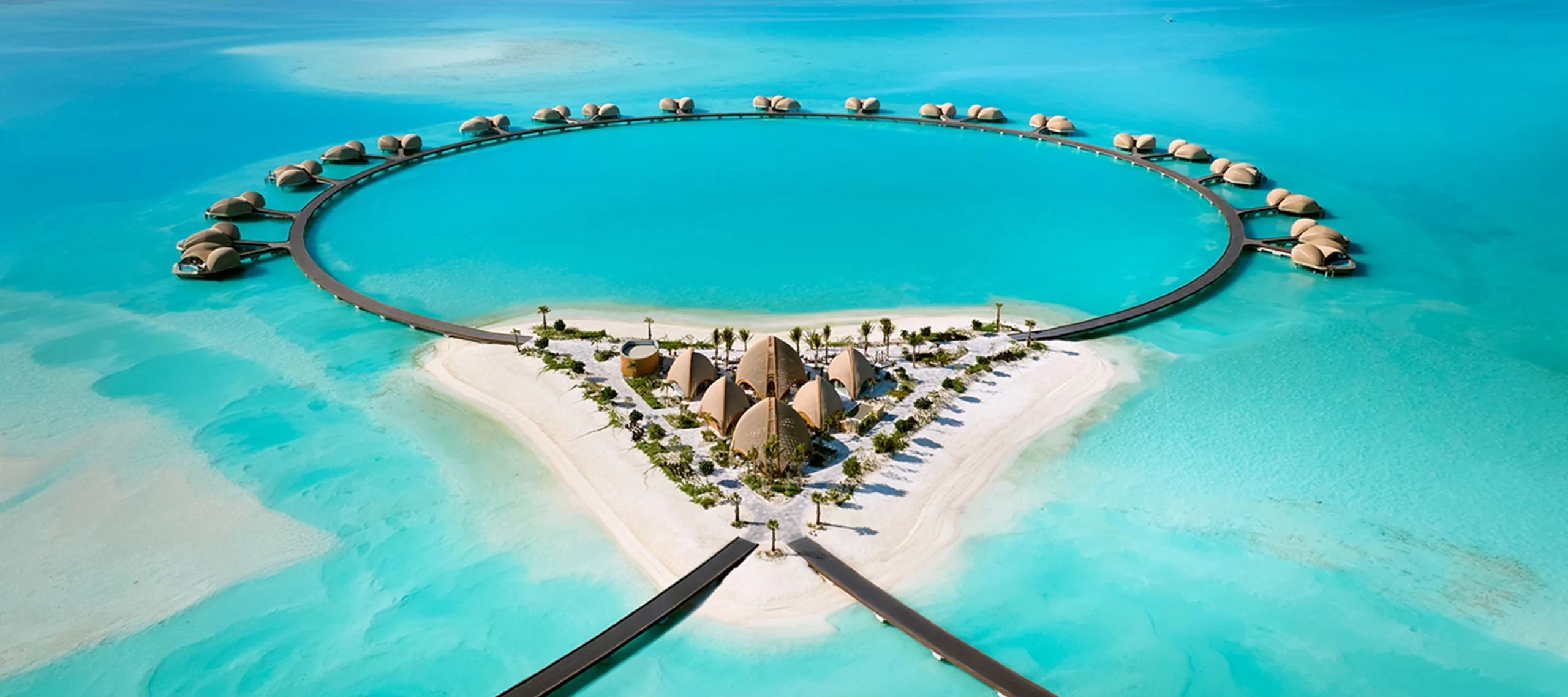
Saudi Arabia recorded its highest tourism figures yet in 2025. The Ministry of Tourism counted around 123mn domestic and inbound visitors across the year, up about 6% on 2024. Total spending reached SR304bn, a rise of 7%, according to a new report seen by Emerging Travel on June 19.
The numbers confirm the Kingdom is closing on its Vision 2030 target of 150mn annual visitors. They also show a market-changing shape beneath the totals with a shift away from pilgrimage (still a huge component and growing) but towards higher value customers in locations like the Red Sea and Al Ula.
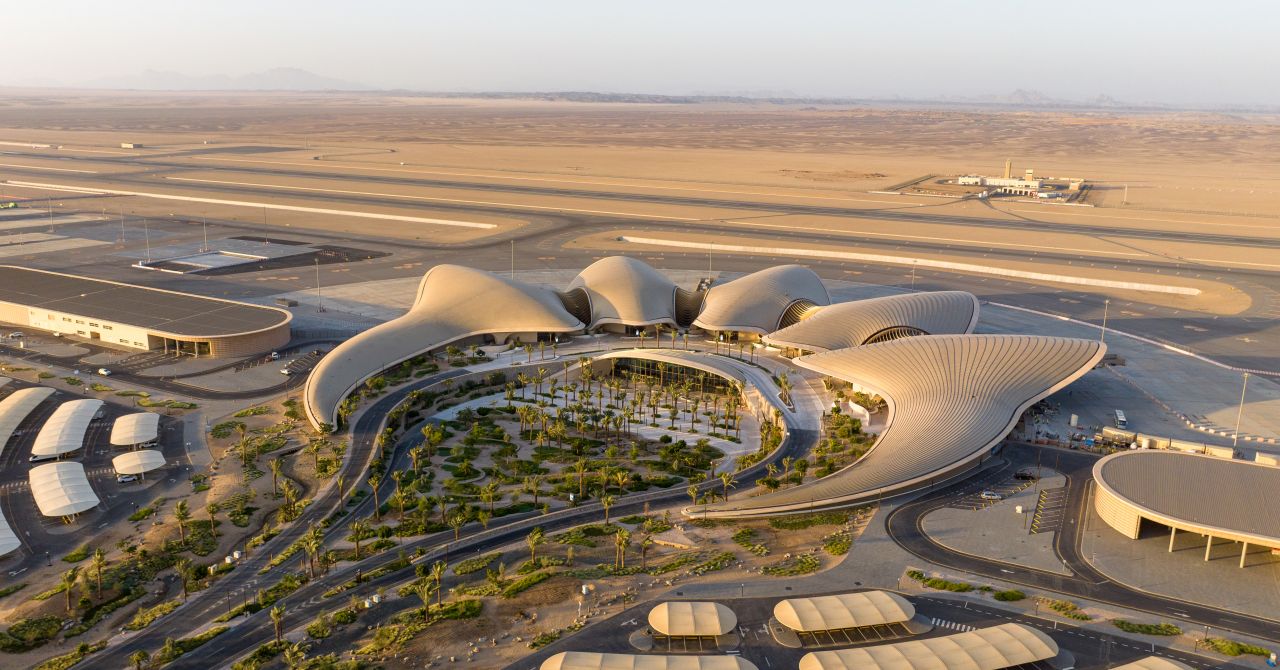
Non-religious purposes accounted for roughly 52% of inbound overnight visitors in 2025. That figure was 44% in 2019. For the first time, more than half of foreign overnight visitors are now coming for something other than Hajj, Umrah or a visit to Medina. Business travel led the change, with inbound business visitors up 14% year on year.
The split matters because religious travel still dominates spending. Pilgrims and other religious visitors numbered 14.1mn and spent SR110.3bn, far ahead of any other category. Leisure visitors numbered 7mn and spent SR35bn. The Kingdom is broadening its base while the original engine keeps running.
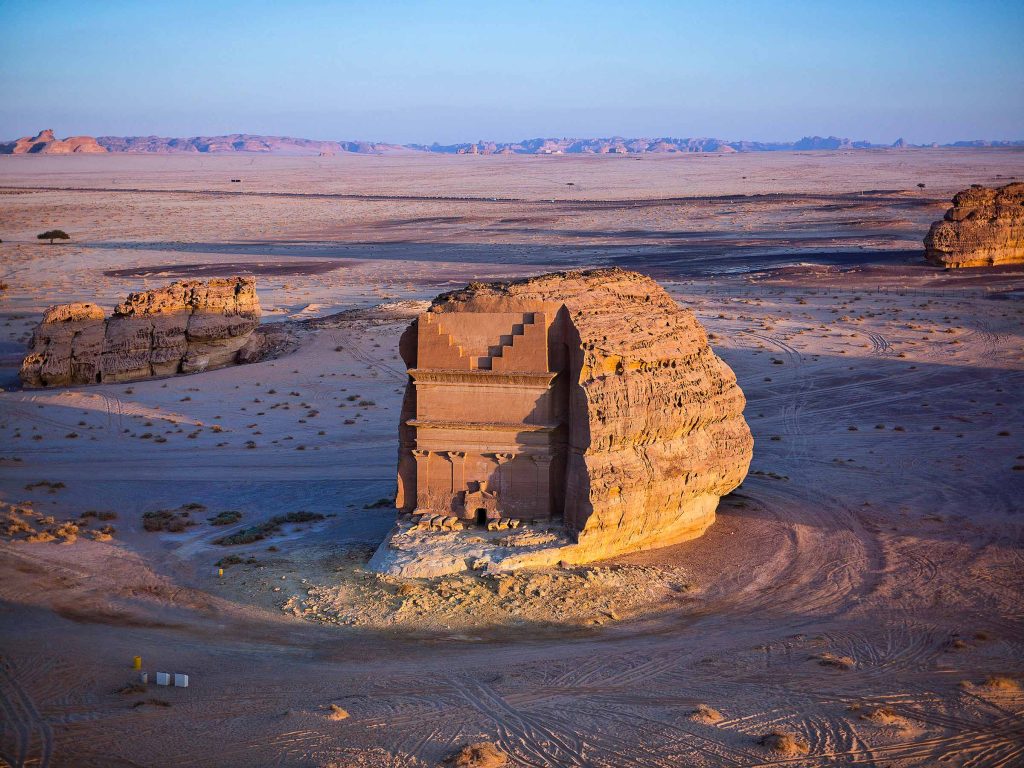
Inbound flat, domestic doing the lifting
Inbound tourists fell slightly to 29.3mn, down 1.6% on 2024. Inbound spending still rose 4.8% to SR176.6bn, which points to higher-value visitors rather than more of them. Air travel carried 69% of inbound arrivals and the highest spend per trip at SR7,096.
Domestic tourism did the heavy lifting. Trips rose 8.3% to 93.3mn and spending climbed 10.2% to SR127.1bn. Saudis travelling at home favoured private accommodation and the car. Land transport carried 94% of domestic tourists.
Asia and the Pacific remained the leading source region, supplying 36% of inbound tourists and 47% of inbound spending. Europe posted the fastest growth, with arrivals up close to 18% and spending up 21%. Egypt was the single largest source market at 3.2mn visitors, followed by Pakistan and India. Pakistan spent the most, at SR22bn.
Rooms up, rates down
Supply expanded fast. Licensed hospitality facilities rose 34.2% to 5,937, and licensed room keys grew 25.4% to 597,000. Hotels held 82% of those keys.
Rates softened as inventory arrived. The average daily rate slipped 2% to SR385 and revenue per available room fell 1% to SR213. That reads as a supply story, not a demand one. New rooms entered the market faster than occupancy could absorb them, and occupancy still rose 0.6 points to 55.3%.
The economic picture
Tourism contributed 4.9% of GDP in 2024, the most recent confirmed figure, with direct gross value added of SR218.6bn. Ministry flash estimates put the 2025 direct contribution at 5.2%, or SR247.7bn. The travel account of the balance of payments ran a surplus of SR49.4bn, down 1.6% as outbound spending grew. Travel exports hit a historic high of SR159.9bn and made up 61.4% of services exports.
Direct tourism jobs passed one million for the first time, reaching 1,026,400, up 6.2%. Saudi women held 47% of Saudi jobs in tourism characteristic activities, against 5% at the end of 2018.
Why it matters
- The 52% non-religious share is the line trade buyers should watch. It signals real demand for leisure and corporate product, not just pilgrimage logistics, and it gives DMCs and tour operators a reason to build year-round itineraries.
- Softening ADR and RevPAR against record room growth means rate pressure for operators in 2026. Buyers negotiating contracts have leverage that did not exist two years ago.
- Europe is the fastest-growing source market by both arrivals and spend. For European travel trade, the Kingdom is no longer a niche pilgrimage corridor but a developing leisure destination with capacity to sell.
- Flat inbound numbers with rising inbound spend point to a yield strategy. Saudi Arabia is chasing value per visitor, which suits premium and experiential product over volume.