
The Northern Ireland Tourism Alliance (NITA) has launched a three-year strategy setting out its roadmap to support the growth and competitiveness of the region’s tourism industry through to 2029 on June 25.
The plan arrives as Northern Ireland records rising visitor numbers and spending, positioning tourism as a central plank of the region’s economic policy at a time when the sector is competing for investment against other UK and Irish destinations.
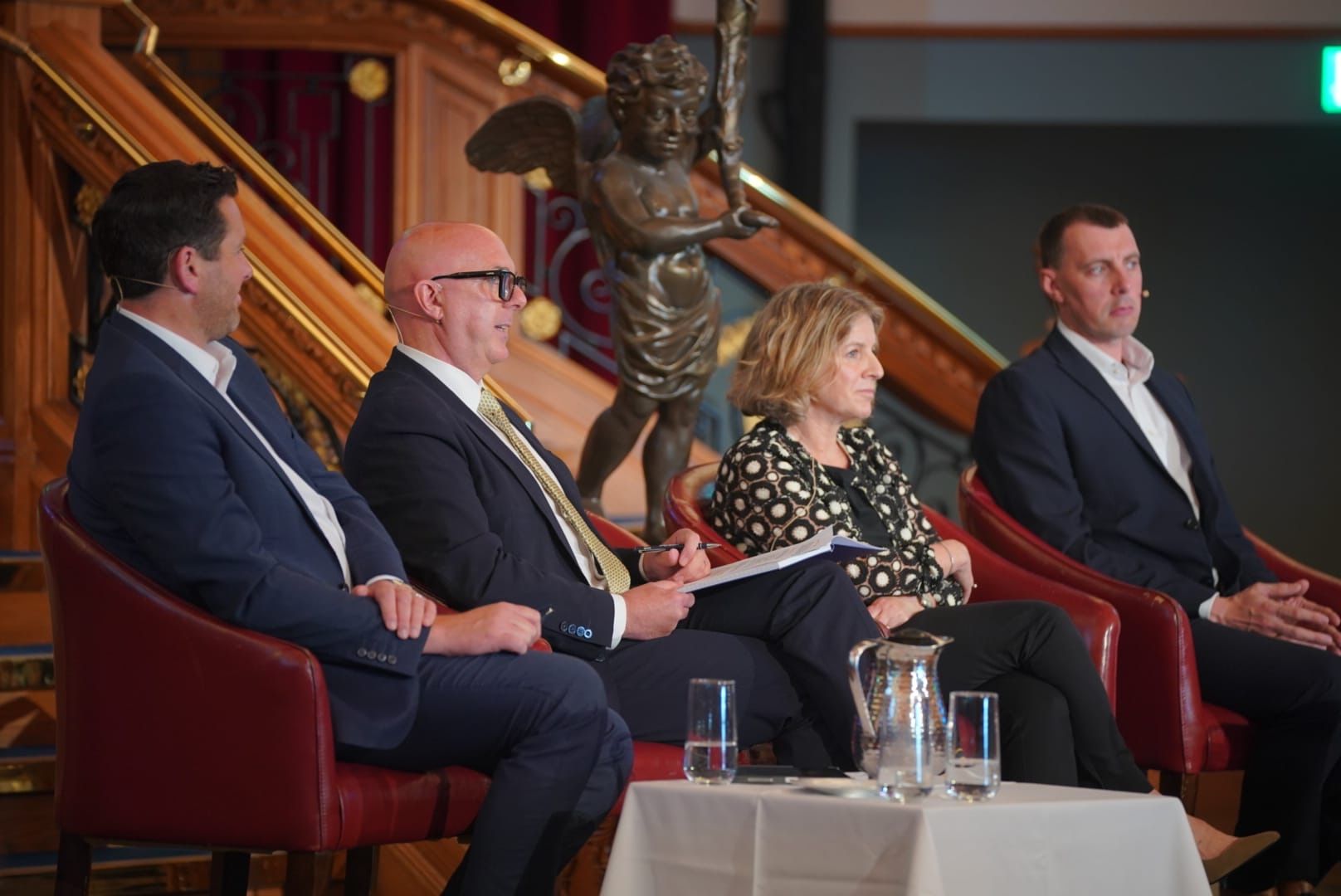
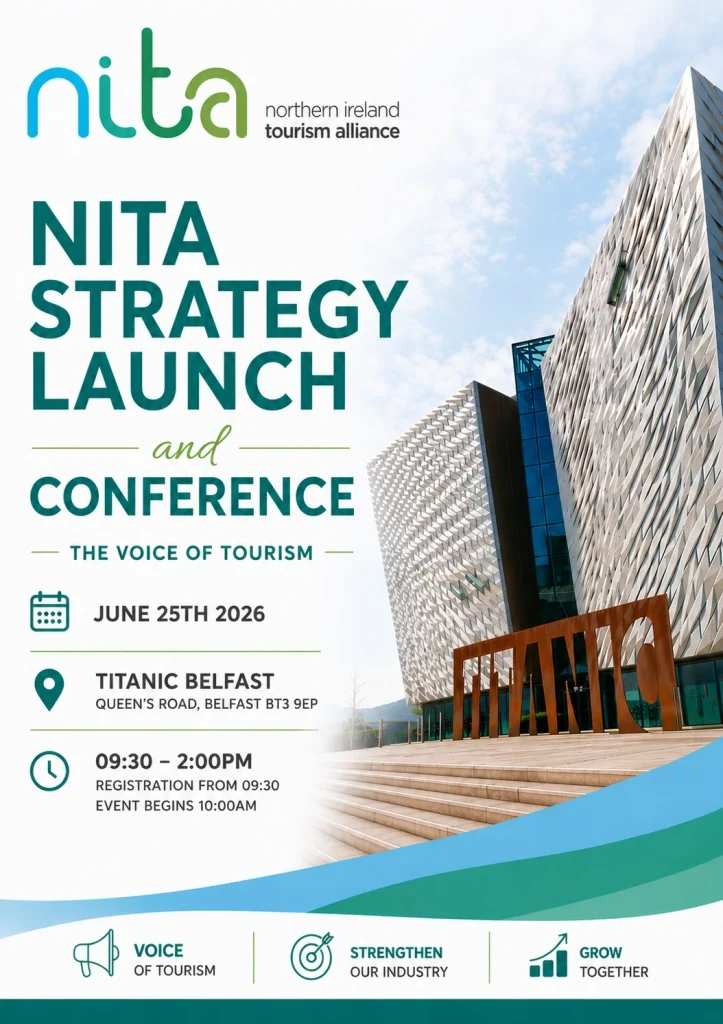
NITA unveiled the strategy at its annual conference at Titanic Belfast, attended by more than 150 delegates from the tourism and hospitality sector, alongside policymakers, public agencies and industry figures.
The 2026-2029 strategy sets out six priority areas: connectivity, competitiveness, productivity, regional growth, workforce and skills, and sustainability.
NISRA figures presented at the conference showed an estimated 5.1mn overnight trips to Northern Ireland last year, with overnight visitors spending £1.2bn ($1.65bn), a rise of 9% on the previous year.
“Tourism is one of Northern Ireland’s most important indigenous industries. This strategy sets out how NITA will continue to champion the sector, ensuring that the voice and expertise of industry help shape policy, investment and decision-making over the next three years,” said Brona Moffett, interim chief executive of the Northern Ireland Tourism Alliance.
NITA chair Joe O’Neill said the organisation was established as a respected united voice for the industry.
“With tourism now firmly recognised as a major driver of economic growth, job creation and regional balance, NITA’s new three-year strategy sets out a clear roadmap to help the industry deliver future growth by representing and advocating on the many issues impacting businesses across the sector,” said O’Neill.
The strategy was developed against Northern Ireland’s evolving tourism policy backdrop, including the Department for the Economy’s Tourism Vision and Action Plan, the work of the Tourism Partnership Board and Tourism NI’s Corporate Plan.
Why it matters for the trade
The strategy gives trade partners a clear set of policy priorities to align with, with connectivity and regional growth signalling appetite for improved access and dispersal of visitors beyond Belfast. The 9% spending rise points to a market gaining momentum for inbound operators and suppliers.