
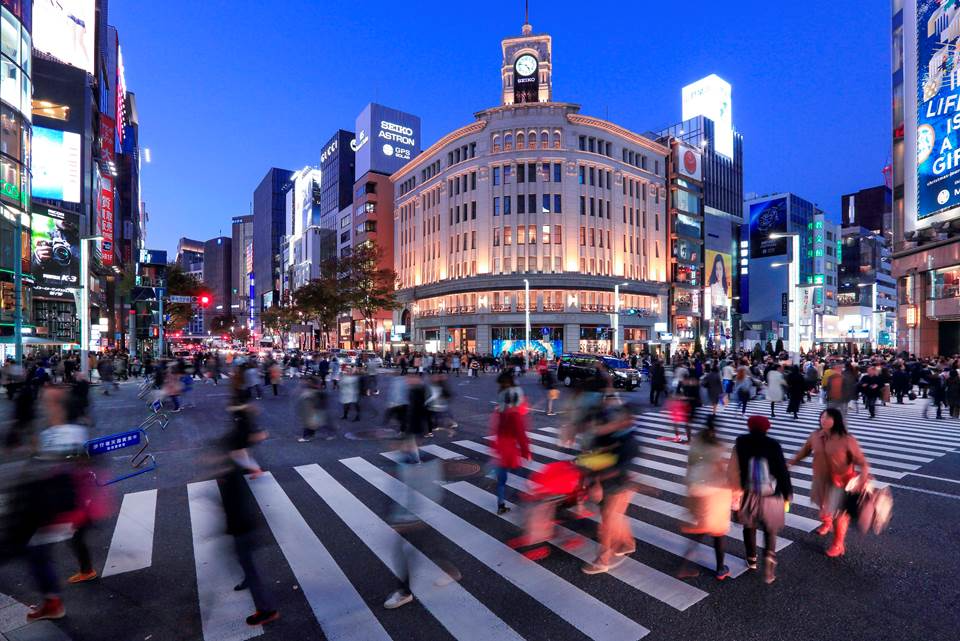
Palace Hotel Tokyo has launched “Couture Tokyo: The Art of Japanese Fashion”, a two-night stay package built around privately guided fashion tours curated by the fashion historian Kaori Nakano, the property announced on July 14.
The package, the latest in the hotel’s Best of Japan series, is bookable for stays from July 22 with rates from JPY372,000, approximately US$2,290 at current rates, based on double occupancy and inclusive of 10% consumption tax. A 15% service charge and Tokyo’s JPY200 per person accommodation tax apply separately, and bookings must be made at least 14 days in advance.
Guests choose one of three neighbourhood tours of three to four hours with private car service. The Ginza itinerary centres on a privately guided visit to Wako, the heritage retailer housed in the landmark Seiko House, with an optional stop at Dover Street Market. The Daikanyama option visits the flagship of Jun Ashida, the pioneer of Japanese prêt-à-porter whose house is now led by his daughter Tae Ashida, along with the MIZEN TOKYO atelier and showroom. The Omotesando and Ura-Harajuku route anchors on the boutiques of Kimono Yamato and its sister brands Y. & SONS and KIMONO ARCH, with knitwear label CFCL and bag maker PORTER also in the area.
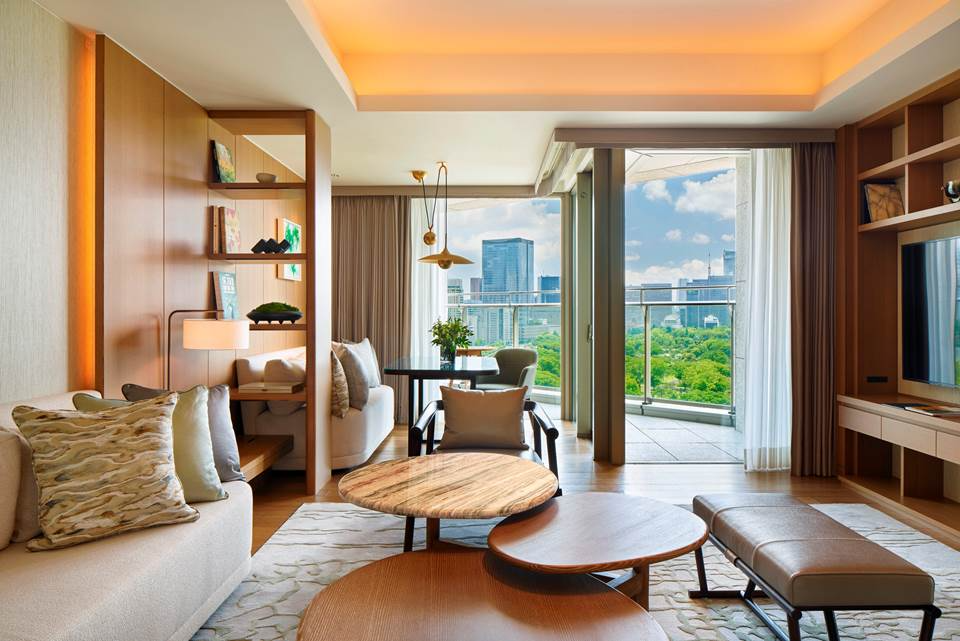
Each tour includes bespoke brand experiences created exclusively for the hotel’s guests and a gift from the featured brand. Guests can be accompanied by a guide trained by Nakano or, for an additional charge, hosted by the scholar herself with an interpreter. A separate half-day tour of around six hours, fully tailored by Nakano, can be booked in place of the included tour at extra cost.
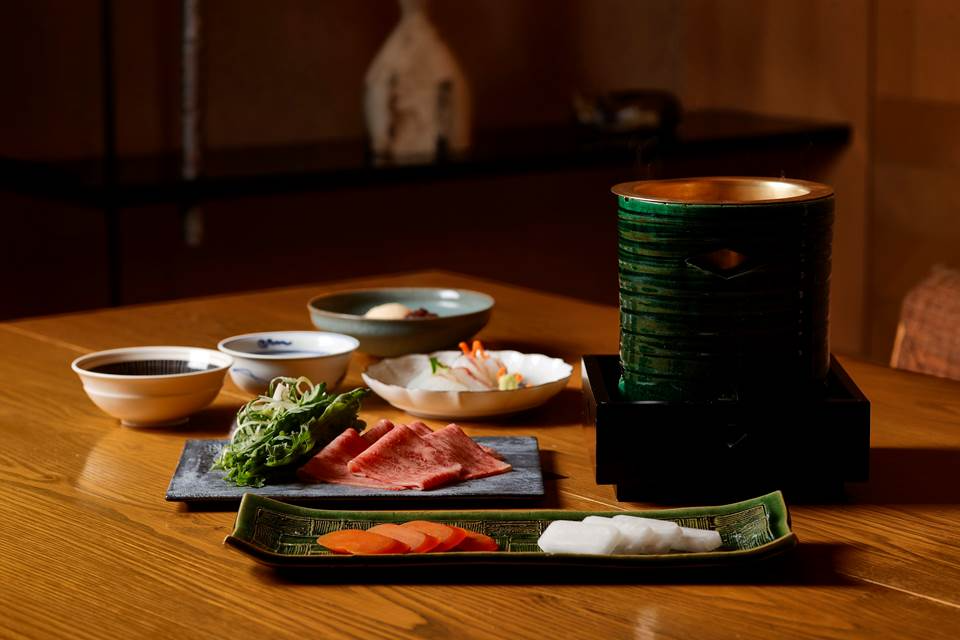
The package also includes daily breakfast, a tote bag by the contemporary textile brand suzusan, and a kaiseki dinner at the hotel’s Japanese restaurant Wadakura featuring a shabu-shabu presentation favoured by the late designer Kenzo Takada, the first Japanese designer to achieve widespread acclaim in Paris, during his stays at the property.
Why it matters for the trade
Japan’s inbound boom has shifted decisively from sightseeing to special-interest travel, and this package is a well-constructed example of how luxury hotels are productising cultural access. For advisors, the significant detail is not the itinerary but the exclusivity architecture: brand experiences created solely for the hotel’s guests, the option to upgrade to being hosted by the curating scholar in person, and a dinner tied to a named designer’s private habits. These are precisely the unbuyable-elsewhere elements that justify luxury commissions and that high-net-worth clients increasingly ask for in Japan, where headline attractions are now perceived as crowded.
The fashion angle also targets a demonstrably high-spending segment. Shopping is among the largest components of luxury visitor expenditure in Tokyo, and with the yen at 40-year lows against the dollar, Japan is effectively on sale for American, Gulf and Asian luxury travellers.
A package that channels that spending impulse through craftsmanship, ateliers and kimono houses rather than department-store floors gives advisors a culturally defensible frame for what is, at heart, a shopping trip. The 14-day advance booking window and the on-request status of the Takada dinner are operational details worth flagging to clients early. Expect competitors in the Tokyo luxury set to answer with their own curated-access products; the differentiator here is a named academic curator, which is harder to replicate than a personal shopper.