
Garamba National Park in the Democratic Republic of the Congo has been removed from UNESCO’s List of World Heritage in Danger, following a decision taken at the 48th session of the World Heritage Committee in Busan, South Korea, African Parks said in a statement.
The decision, adopted without amendments or objections on July 25 as decision 46 COM 8B.4, ends nearly three decades on the danger list for the park, which was first inscribed as a World Heritage Site in 1980 before being added to the danger list in 1996 amid escalating poaching and armed conflict in the region.
Garamba has been managed since 2005 by African Parks, a non-profit conservation organisation, in partnership with the Congolese Institute for Nature Conservation (ICCN). UNESCO has cited a sustained decline in poaching pressure and steady increases in elephant, Kordofan giraffe and buffalo populations in recent years as evidence of improving conservation outcomes at the site.
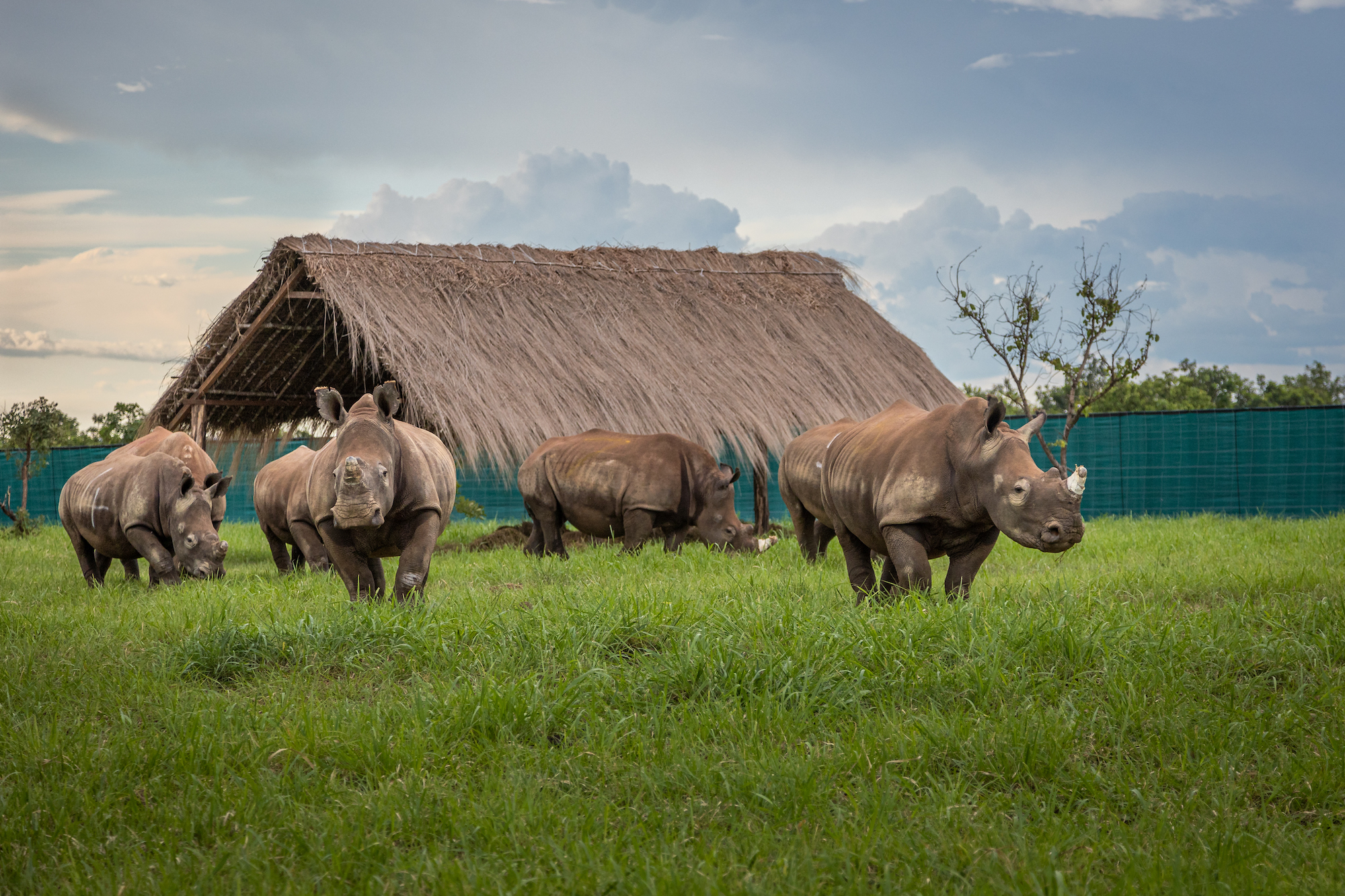
Conservation efforts have also included the reintroduction of southern white rhinoceros to the park, with 76 individuals brought in from South Africa, and the fitting of satellite tracking collars on 15 elephants, supported by UNESCO and funded by the Norwegian government, to monitor movements and detect signs of poaching.
The park, one of Africa’s oldest protected areas, has faced sustained pressure over the years from armed groups, commercial poaching and, more recently, artisanal mining within its boundaries. Guards working at Garamba have previously been killed in the course of protecting the park, prompting past condemnation from UNESCO’s leadership.
“On behalf of the Committee, let me congratulate once again the Democratic Republic of the Congo for the approval of its reclassification,” the committee’s session chair said, according to Environews RDC.