
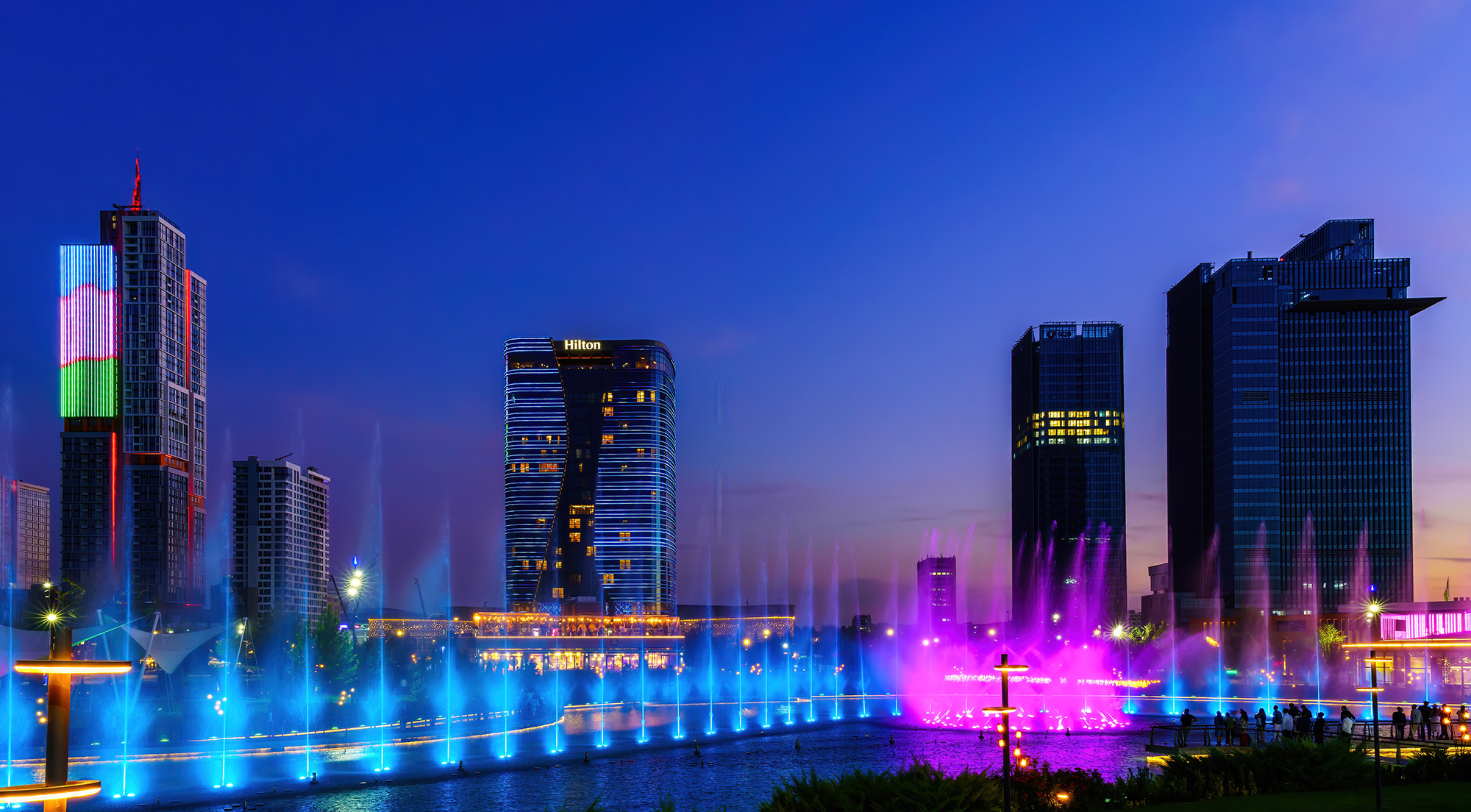
Foreign visitors to Uzbekistan are staying almost twice as long as they did a few years ago, and as long-stay and nomad visas spread across emerging destinations, the government is now offering some of them a three-year residency.
Average trip length has risen from four or five nights to between seven and nine, according to the country’s Tourism Committee. Uzbekistan recorded 10.7 million foreign tourists in 2025 to the end of November, generating around $4.3bn in tourism service exports, with more than a million arrivals every month from April.
Staying long term in Uzbekistan usually means bringing capital, whether through substantial property investment, a donation-based golden visa from $250,000 that grants a five year stay, or business registration with qualifying capital behind it.
The cheapest way is the IT Visa, run by IT Park, the state technology agency that has driven much of the country’s digital expansion. It grants qualified technology professionals up to three years’ residency, along with providing healthcare and education on the same terms as Uzbek citizens. The IT Visa also gives the right to buy property, and provides the same conditions for accompanying family members.
The sector behind it has grown quickly. Uzbekistan was named Startup Country of the Year 2026 in StartupBlink’s Global Startup Ecosystem Index, after climbing 19 places to 79th (the largest single-year rise in the index). Tashkent rose 121 places to 229th, ahead of Almaty at 291st and Astana at 332nd, making it the leading startup city in Central Asia. The region grew 81% over the year, faster than any other startup sub-region worldwide.
IT Park is the state technology hub behind that growth, and the body that administers the visa. Set up in 2019 under the Ministry of Digital Technologies, it runs a campus in Tashkent alongside a residency scheme that technology companies register with, and operates accelerator and export support programmes.
What draws tech companies to register in IT Park is the tax position. Residents are exempt from corporate income tax, VAT, social tax and turnover tax, and the government has extended those benefits to 2040 (excluding VAT). Foreign founders of resident companies that earn most of their income from exports pay a reduced dividend rate of 5% over the same period. Alongside this, Tashkent’s ecosystem now stands at 379 startups with more than $250mn in total funding, with multiple international employers in the country.
The IT Visa can be accessed via three routes, all requiring $30,000. Investors put that much into the sector, founders hold it as a stake in a resident company, or tech specialists must show $30,000 of IT income over the previous year alongside a job with an IT Park resident company. That employment requirement is the difference from Kazakhstan’s Neo Nomad Visa, which asks only that remote workers verify $3,000 a month, for whoever they work for.
For tourism operators, the appeal of this visa is the length of stay. Someone on a three-year permit takes serviced apartments and long lets instead of hotel nights; travels on several weekends across a stay rather than once; and brings in visiting friends and relatives from abroad.
The Uzbekistan-2030 strategy targets 15 million foreign tourists and $5bn in tourism service exports. On current arrivals the volume target is well within reach. The technology side is moving faster still: the country has climbed from 111th to 79th in the global startup rankings in four years; Tashkent is now the region’s leading startup city; and the tax strategy underwriting that growth is guaranteed until 2040.