
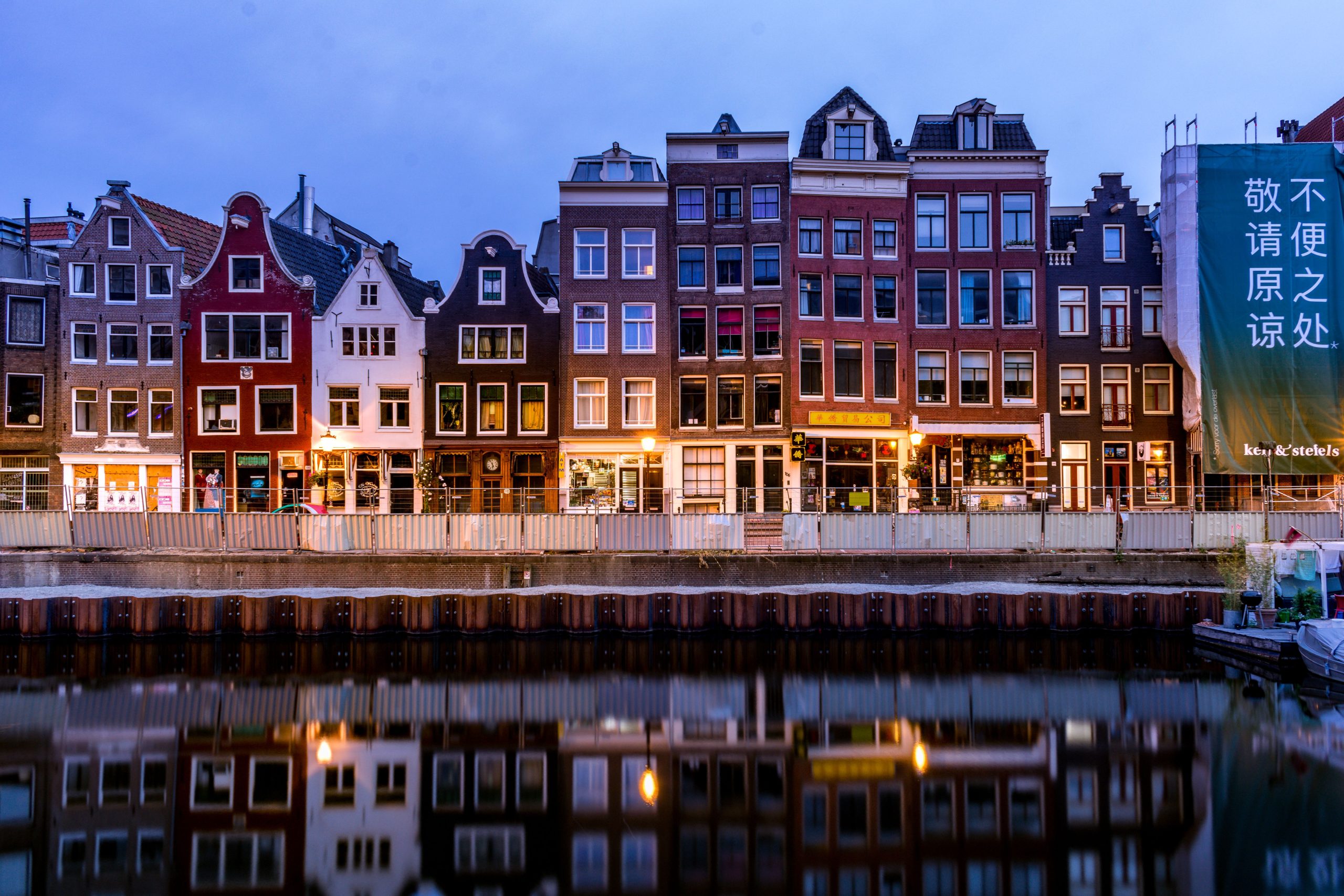
Amsterdam is set to raise its overnight tourist tax to 20% of the room rate by 2031, one of the highest such levies anywhere in the world, under a new coalition agreement aimed at curbing overtourism and shifting the cost of running the city onto visitors, state NOS reported on August 24.
We’ve had reports that, in recent years, locals have singled out American tourists as problematic for standing in the way of cyclists and for having low situational awareness. This was followed by British partygoers who frequent bars and cannabis shops, something which has been clamped down on in recent years.
The Dutch capital’s overnight levy, already a European high at 12.5%, will climb to 16% in 2027 before rising by one percentage point a year to hit 20% in 2031. Combined with the national government’s increase in VAT on hotel stays from 9% to 21%, the total tax burden on an Amsterdam hotel room will reach 41% by 2031, close to double the previous rate. On an average €200-a-night room, that works out at more than €80 in tax alone.
The city expects the higher rate to raise an additional €75mn a year from tourists by 2030, revenue the coalition intends to use to balance the municipal budget, spare residents local tax rises and fund social programmes including free public transport for children under 16.
Amsterdam operates a self-imposed cap of 20mn overnight stays a year, a ceiling it has repeatedly breached, and the coalition has made clear it wants to price out low-budget mass tourism. The municipal executive argues international visitors should make a fairer contribution to the maintenance, cleaning and policing costs they generate.
The agreement targets tourism beyond hotel rooms. The Passenger Terminal Amsterdam will be required to relocate out of the city, effectively barring sea cruise ships from docking near the centre, while an entertainment levy on day visitors who do not stay overnight will be broadened. New licensing rules will freeze the expansion of tourist-oriented shops such as souvenir, waffle and candy outlets in the historic core.
Why it matters for the trade
Amsterdam is turning tax into an explicit demand-management tool rather than a revenue afterthought, and the trade should read the 41% combined rate as a deliberate signal, not an accident of two separate tax decisions colliding.
For operators, the message is that the city wants fewer, higher-spending guests, which favours upper-tier hotels and squeezes hostels, budget chains and the price-sensitive city-break market that has underpinned Amsterdam volumes for years.
The cruise eviction and the broadened day-tripper levy extend the same logic to the segments the city sees as high-volume, low-yield.