
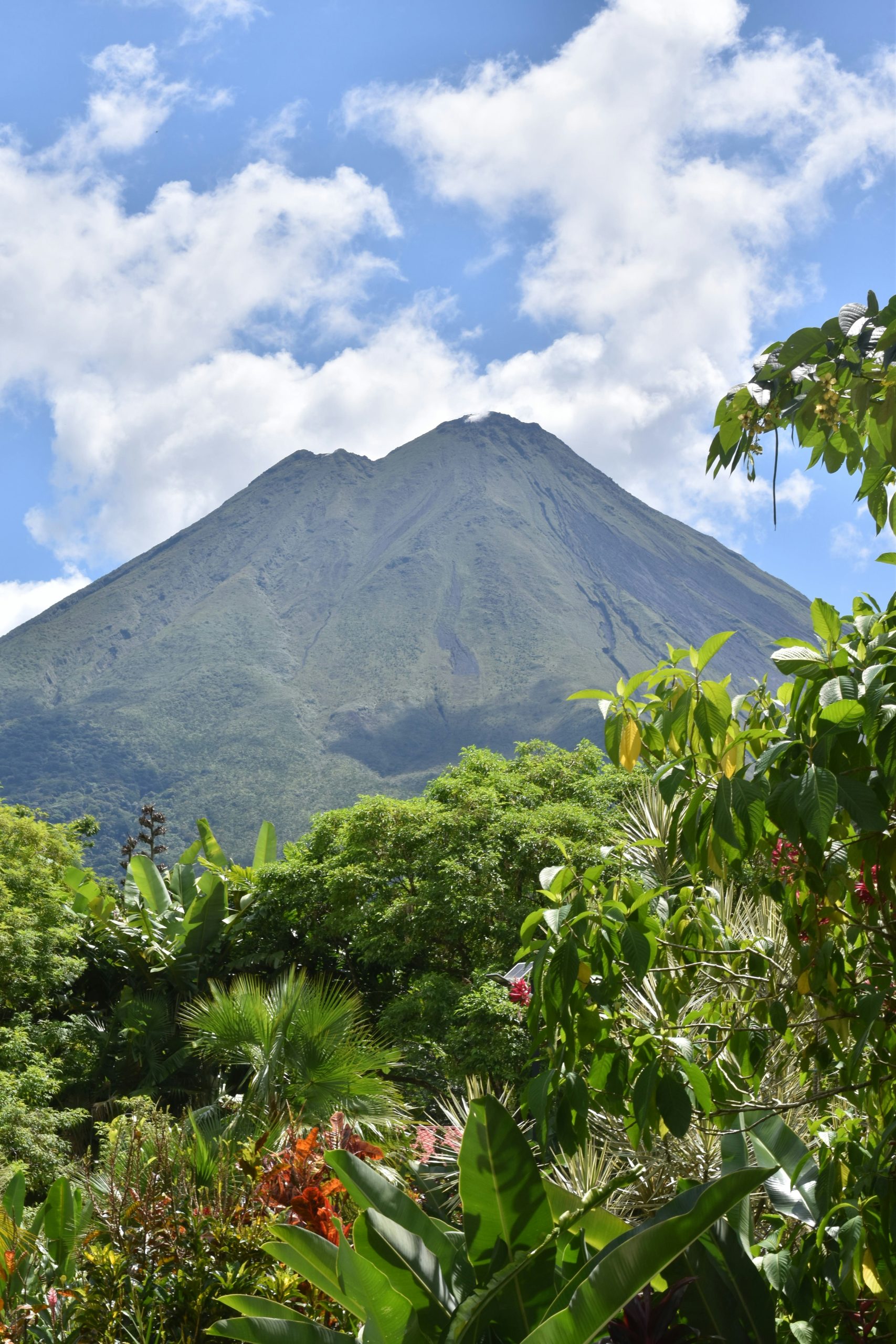
At the base of one of Central America’s most recognisable volcanoes, the small town of La Fortuna has grown into one of Costa Rica’s most visited inland destinations, drawing travellers with a combination of dramatic geology, dense rainforest and a long list of outdoor activities packed into a compact area of the country’s northern lowlands.
La Fortuna sits in the canton of San Carlos, in Alajuela Province, roughly 135 kilometres north of San José and around 145 kilometres southeast of Liberia, making it accessible from either of Costa Rica’s two main international airports. The town itself remains modest, with a population of around 15,000, a single church, a soccer field and a handful of streets lined with restaurants and shops. Its real draw lies just beyond its edges: Arenal Volcano, a 1,657-metre stratovolcano that dominates the skyline from almost every angle in town.
Arenal was the most active volcano in the Americas from 1968 until 2010, when it entered a resting phase that continues today. The volcano is monitored continuously by OVSICORI, Costa Rica’s volcanological observatory, and still steams from its summit on clear days, a visible reminder of the geothermal activity that shapes much of the surrounding landscape, from hot springs to unusually fertile soil.
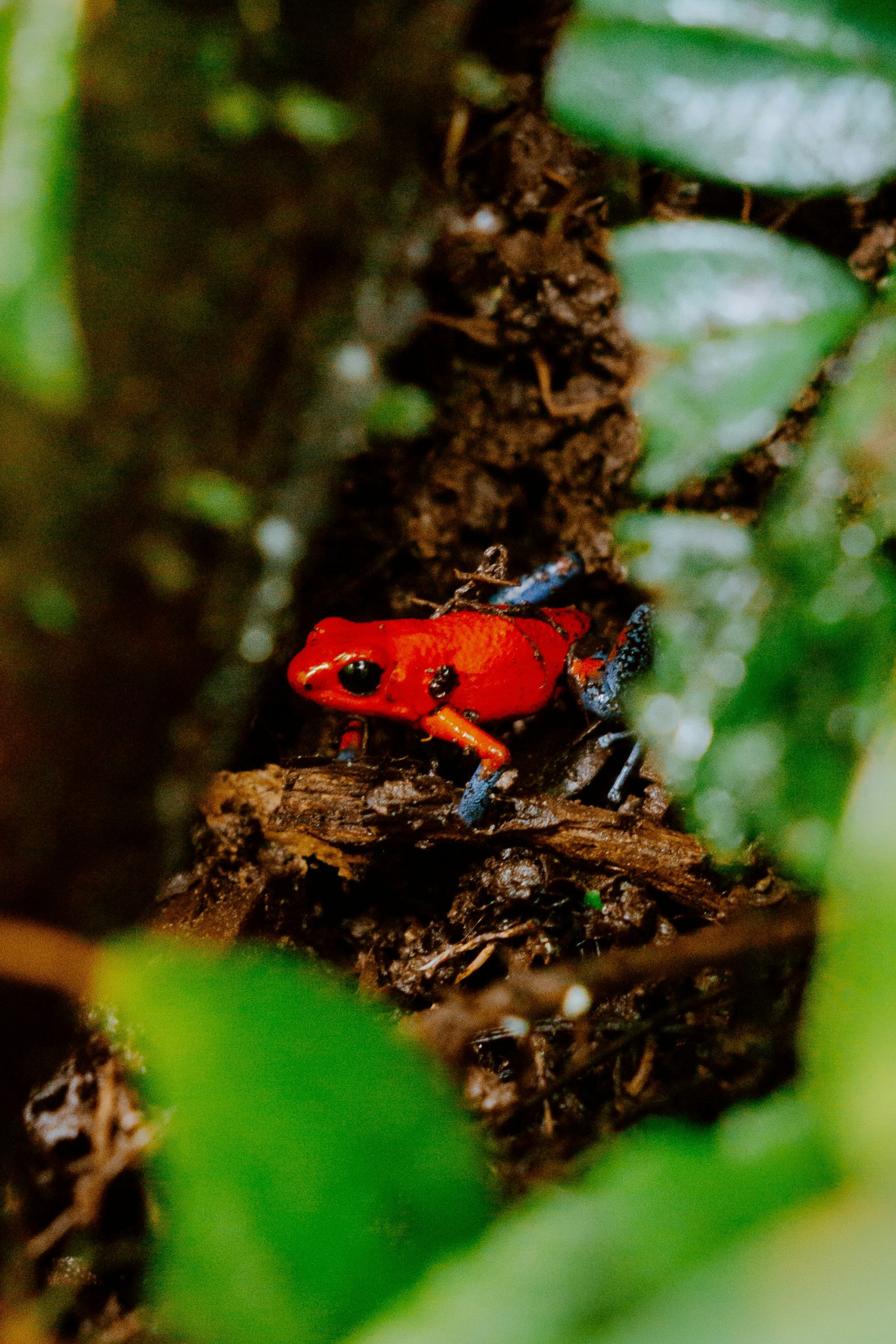
Arenal Volcano National Park, covering 12,124 hectares between the Cordillera de Tilarán and the San Carlos plains, offers several marked trails, including the Heliconias, Coladas, Tucanes and Los Miradores routes, which pass through old lava fields and dense forest en route to viewpoints of the volcano. Wildlife sightings, including sloths, monkeys, toucans and frogs, are common along these trails without requiring specialist tours.
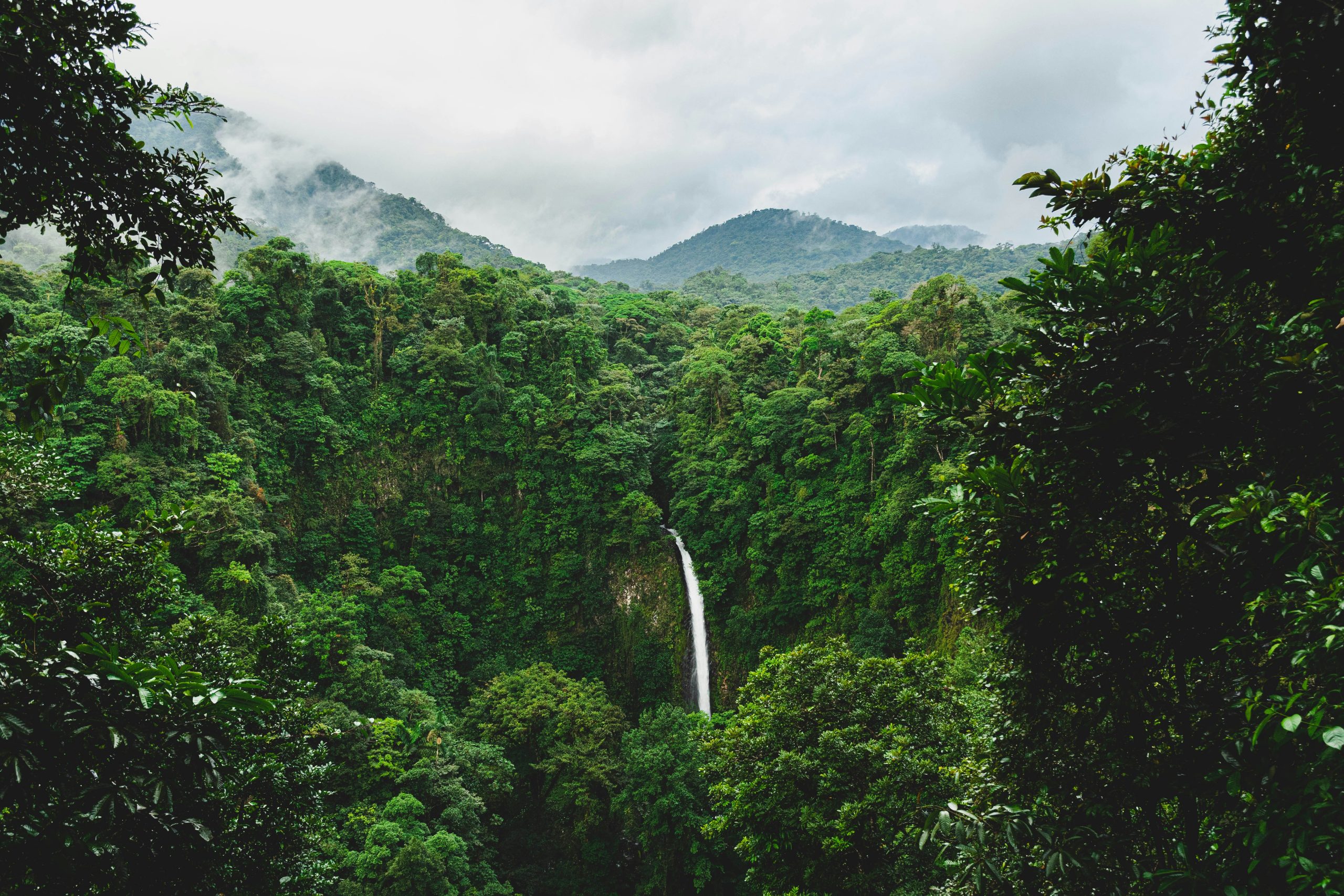
Beyond the park, the region’s geothermal activity feeds a string of hot spring resorts, from the long-established Tabacón Thermal Resort to newer properties such as The Springs Resort and Spa, both popular for their volcano views and thermal river networks. La Fortuna Waterfall, a 230-foot cascade tumbling through tropical rainforest, remains one of the area’s most photographed natural attractions, while nearby Lake Arenal, Costa Rica’s largest lake, supplies around 12% of the country’s hydroelectric energy alongside opportunities for boating and lakeside dining.
Adventure tourism forms the backbone of La Fortuna’s economy. Zip-lining canopy tours, Class IV whitewater rafting, horseback riding and guided hikes are all readily available through licensed local operators, alongside wildlife-focused experiences such as the Proyecto ASIS rescue and rehabilitation centre. Local tourism authorities and operators describe the area as one of the safest in Costa Rica, citing a strong local police presence and a community heavily dependent on repeat and long-term visitor trust.
Sitting within the wider Arenal Huetar Norte Conservation Area, La Fortuna continues to anchor northern Costa Rica’s tourism circuit, offering a rare combination of accessible adventure activity, geothermal relaxation and rainforest biodiversity within a single, walkable town.