
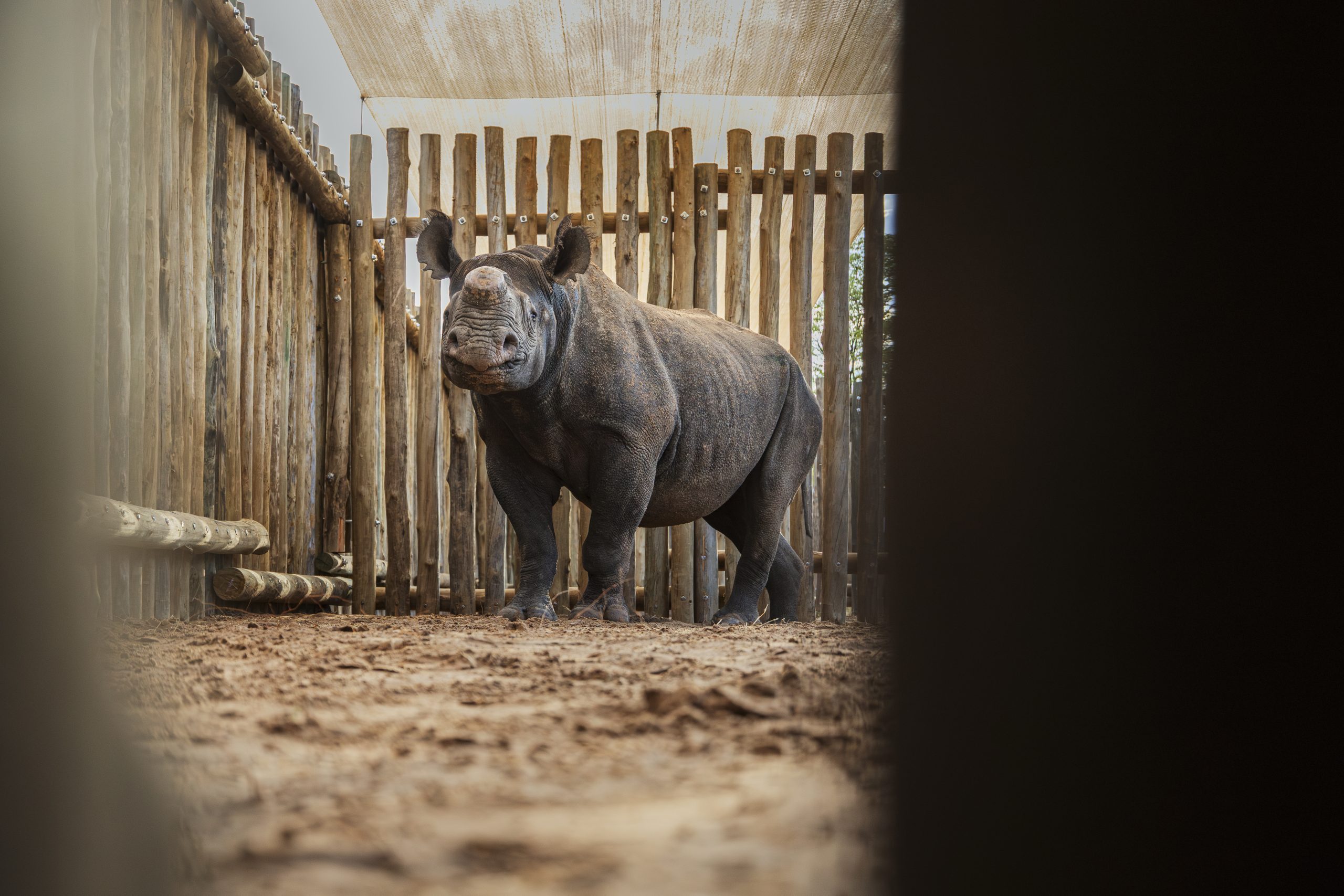
Seventeen critically endangered black rhino have been reintroduced into Matusadona National Park in Zimbabwe, ending an absence of more than three decades from a site that once held the country’s largest contiguous population of the species.
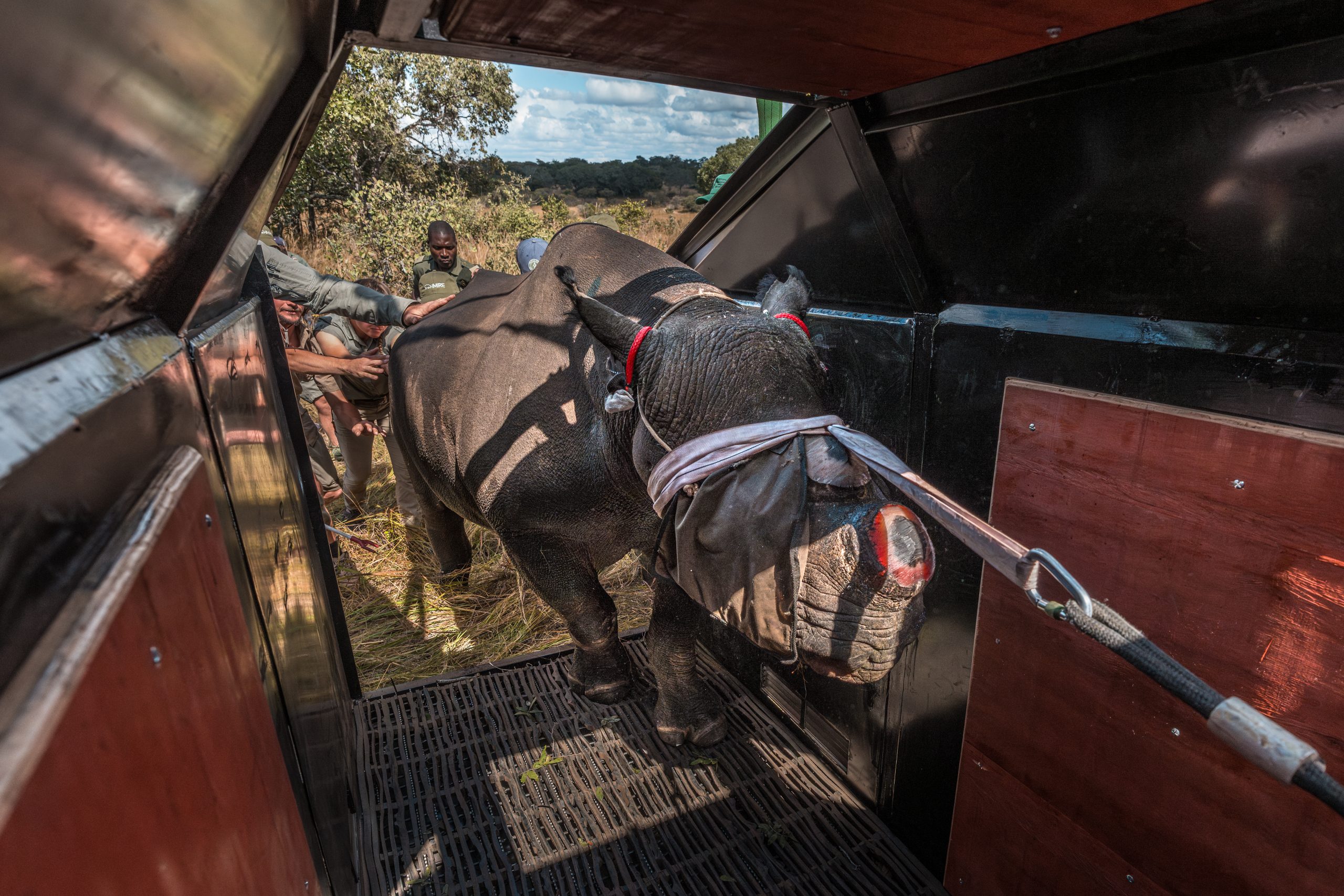
The operation was led by the Zimbabwe Parks and Wildlife Management Authority (ZimParks), African Parks and Matusadona National Park, with animals sourced from Imire Rhino and Wildlife Conservancy, Matobo National Park and one other undisclosed location, and airlifted to the park on the shores of Lake Kariba.
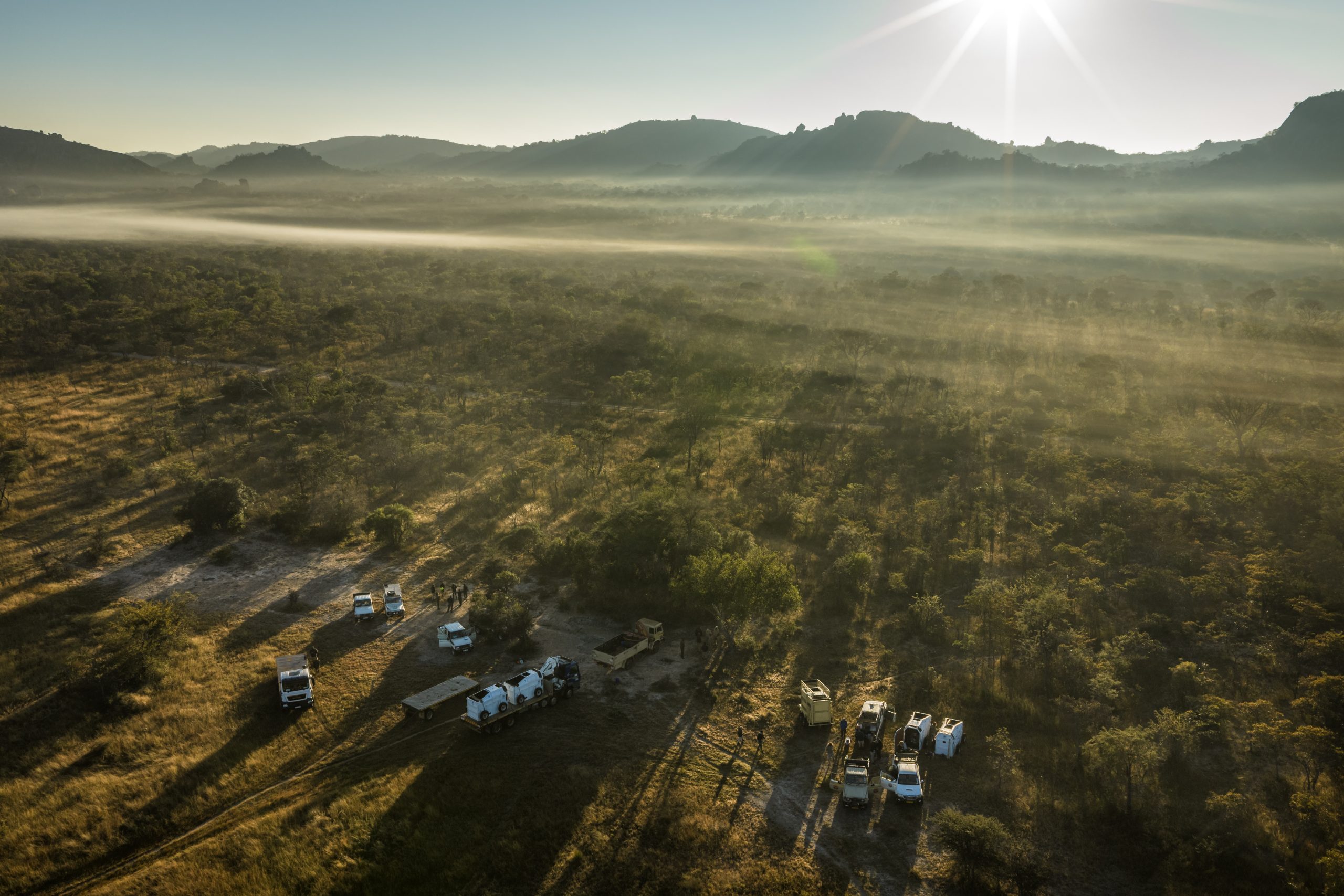
Before organised poaching took hold in the late 1980s and early 1990s, the Sebungwe region, with Matusadona at its centre, supported Zimbabwe’s largest contiguous population of black rhino. As the crisis deepened, ZimParks removed surviving animals from high-risk areas and relocated them to safer sites across the country. Zimbabwe’s black rhino population fell from around 2,000 to 370 during that period.
Some of the animals now returned to Matusadona are direct descendants of those moved out of the park more than 30 years ago. Following arrival, they are being held in purpose-built bomas for close monitoring before being released in phases into a secure 175-square-kilometre Intensive Protection Zone. Each animal is fitted with a tracking device enabling real-time monitoring.
In 2019, African Parks entered into a 20-year management partnership with ZimParks to rehabilitate Matusadona, making it the first protected area in Zimbabwe to be managed under the conservation organisation.
The Global Wildlife Fund made an initial contribution to the project in 2025. A fundraising target of AUD750,000 has been set by June 30, 2026, to cover translocation costs in 2026 and 2027, rhino ranger training and employment, transmitters, cameras, drones and vehicle costs.
“Words cannot describe the feeling of watching these rhinos touch ground once again in Matusadona,” said Reilly Travers, conservancy manager of Imire Rhino and Wildlife Conservancy. — Wanderlust Magazine, June 3