
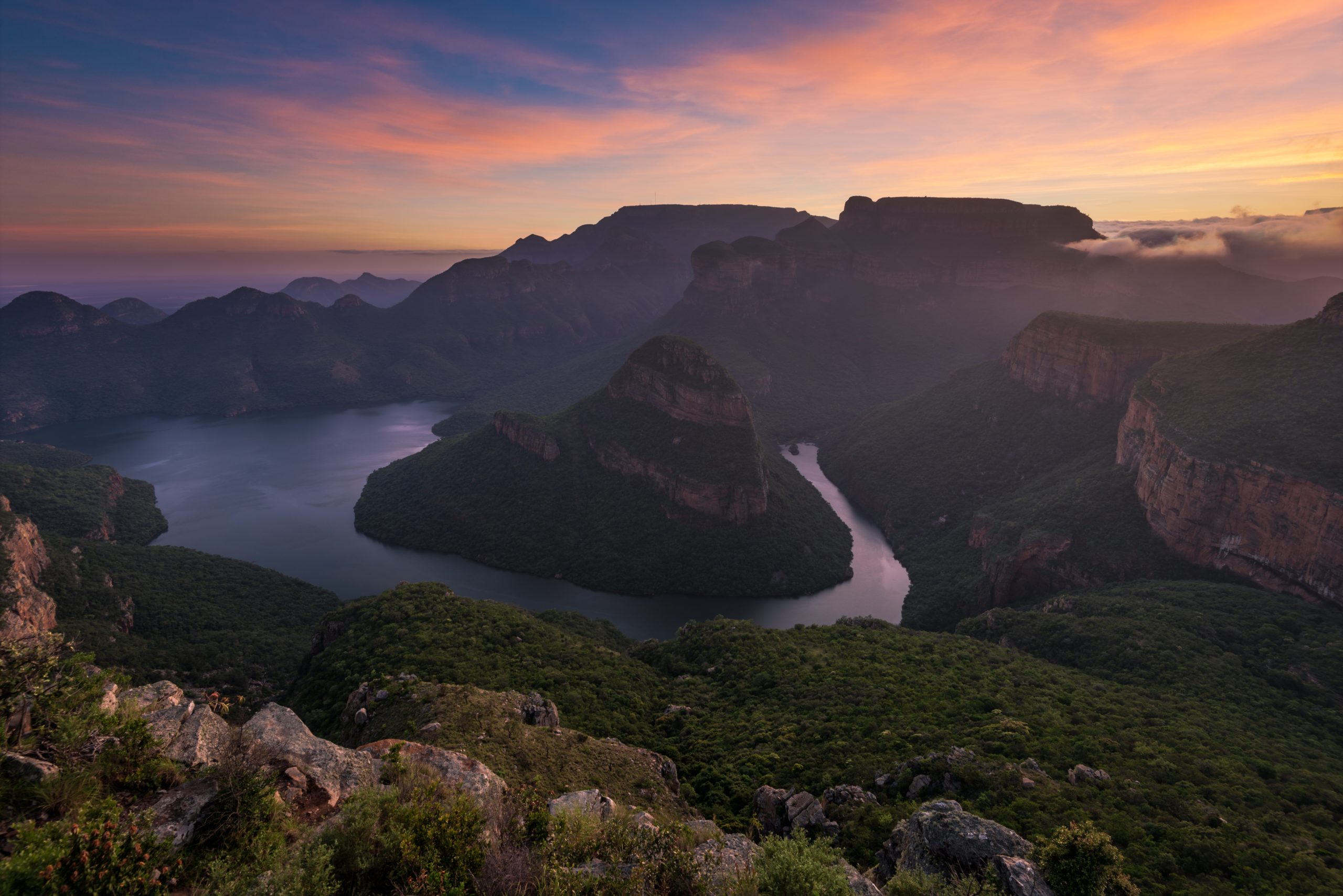
HOEDSPRUIT, South Africa — Cape Vulture Nature Reserve is drawing attention as the entry point to the Kruger to Canyons (K2C) Biosphere Region, South Africa’s largest UNESCO-recognised biosphere and one of the world’s leading destinations for sustainable development learning.
Situated near the Blyde River Canyon in Mpumalanga province, the reserve is home to 728 breeding pairs of endangered Cape Vultures, making it one of the largest colonies of the species anywhere in the world. The reserve combines wildlife conservation with access to some of South Africa’s most visited natural attractions, all within a relatively short drive.
At the heart of the experience is the conservation work focused on the Cape Vulture (Gyps coprotheres), a species classified as endangered. Visitors can observe nesting and feeding activity from specially designed hides and join guided excursions that explain the role vultures play in maintaining healthy ecosystems. The reserve’s programmes also highlight the threats facing the species, including habitat loss, poisoning and collisions with energy infrastructure.
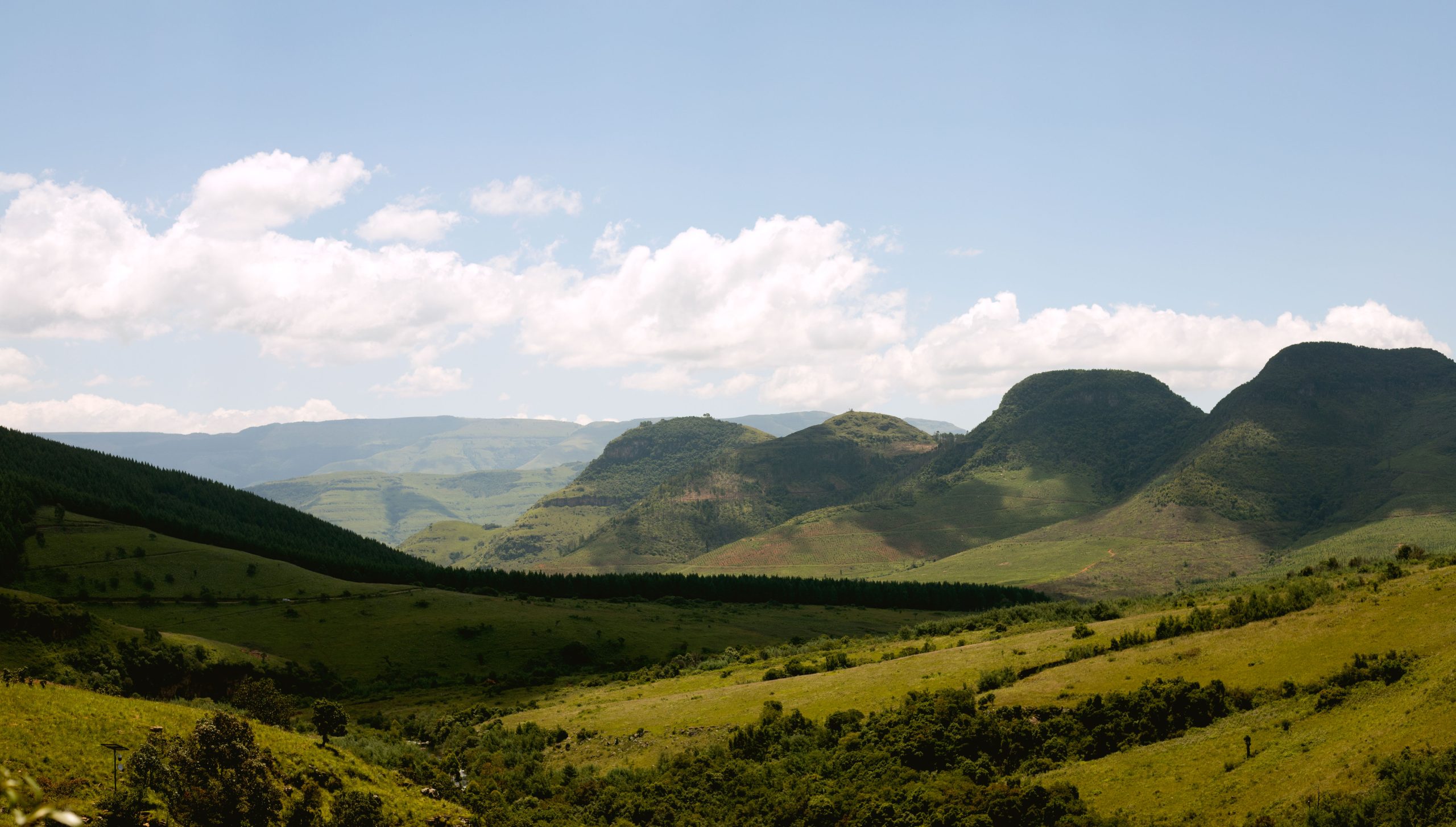
Cape Vulture Nature Reserve forms part of the Kruger to Canyons Biosphere Region, which stretches across parts of Limpopo and Mpumalanga provinces. Covering a vast area of north-eastern South Africa, the biosphere links protected wilderness areas, private reserves, rural communities and tourism destinations. UNESCO has recognised the region for balancing conservation, sustainable development and environmental education.
The reserve also offers a starting point for exploring the Blyde River Canyon, located around 30 to 40 minutes away by road. Widely regarded as the world’s third-largest canyon and often described as the largest green canyon, the site attracts visitors with its dramatic cliffs, subtropical vegetation and sweeping viewpoints.
Travellers following the Panorama Route can visit landmarks including God’s Window, Three Rondavels and Wonder View, each providing expansive views across the escarpment. The route has become one of South Africa’s best-known self-drive tourism corridors, combining geological formations, waterfalls and cultural attractions.
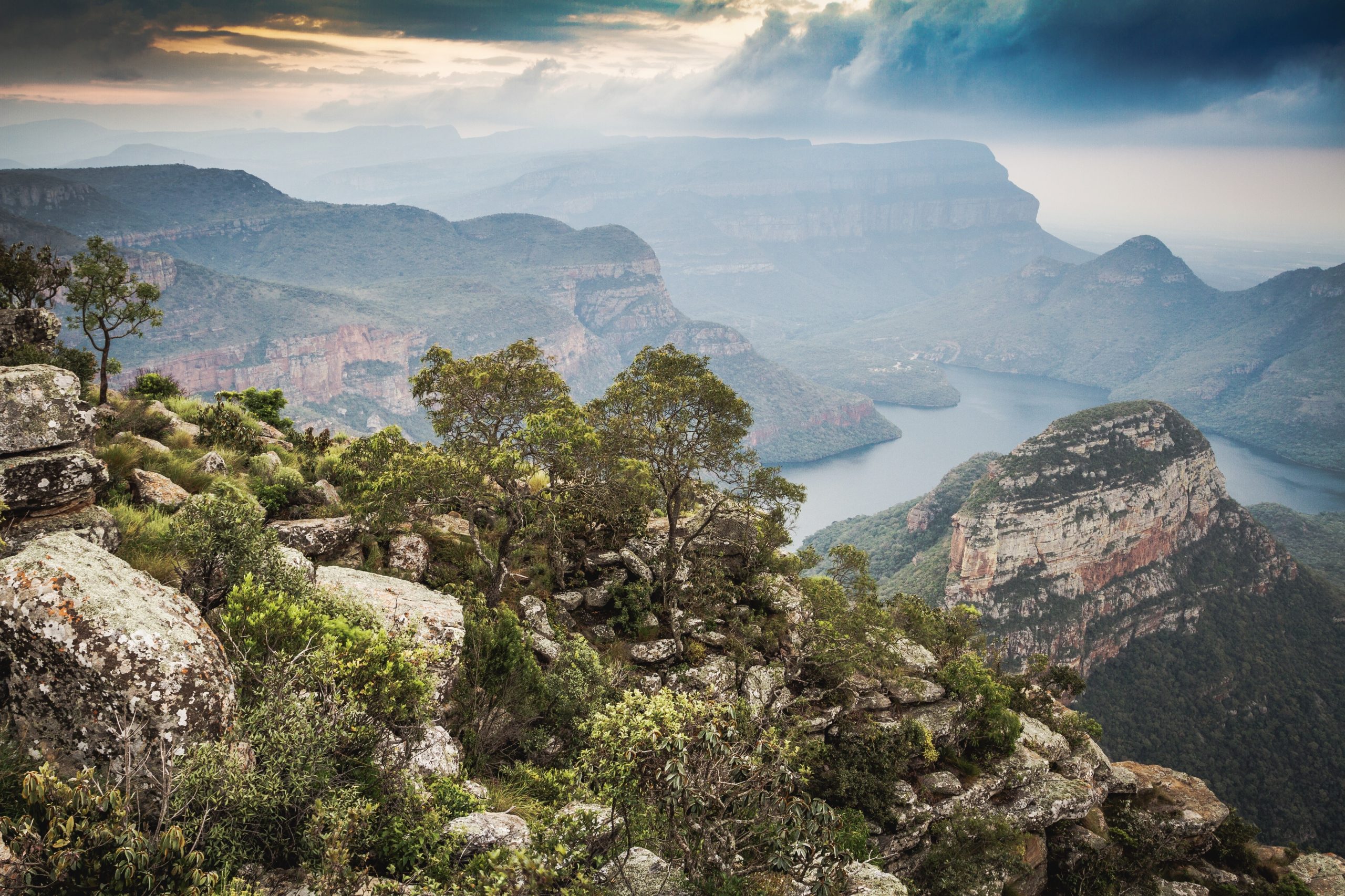
Adventure activities in the canyon area range from guided boat cruises on the Blyde Dam to rock climbing, abseiling, white-water rafting, horse riding and zip-lining. Hikers can explore trails leading to viewpoints and waterfalls, while Bourke’s Luck Potholes offers a close look at rock formations shaped over centuries by flowing water.
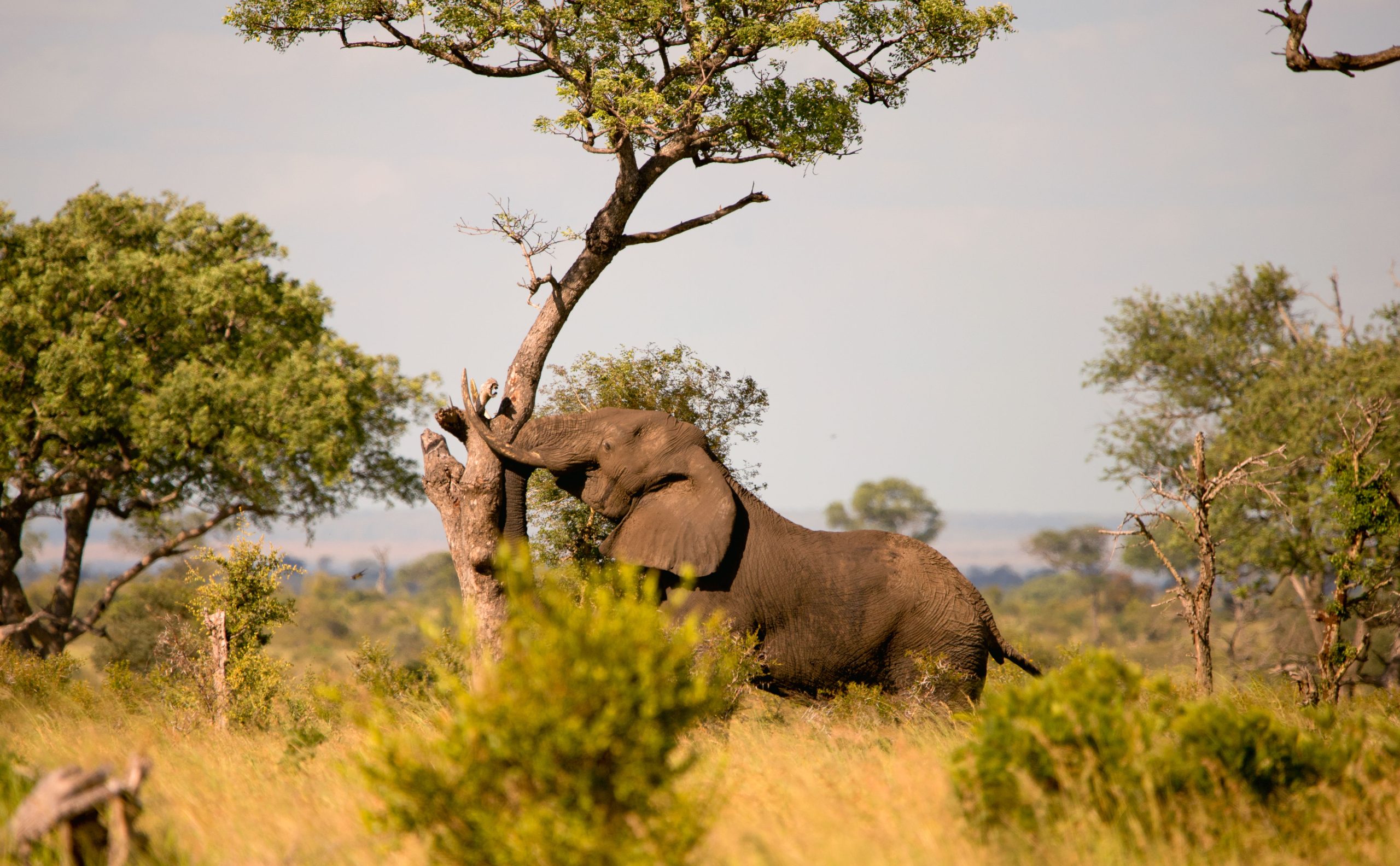
Kruger National Park, one of Africa’s leading safari destinations, lies within roughly an hour of the reserve. Visitors can combine conservation-focused experiences with opportunities to see the Big Five on guided game drives, self-drive safaris or bush walks. Cultural encounters, including visits to the Shangana Cultural Village, add another dimension to itineraries across the region.
The broader destination also offers sunrise hot-air balloon flights, scenic helicopter excursions and guided photography tours, giving travellers multiple ways to experience the landscapes that connect the canyon, the biosphere and one of Africa’s most celebrated wildlife regions.
For more information, visit cvnr.co.za or contact the reservations team at reservations@capevulturelodge.co.za / +27 (0)76 362 0390.
For media enquiries or interview opportunities, please contact Sky Gordon at sky@phoenixcollective.world / +27 (0)82 849 4160.
About Cape Vulture Nature Reserve
The Cape Vulture Nature Reserve is a protected 1,800-hectare sanctuary near Hoedspruit in Limpopo, dedicated to the conservation of the endangered Cape Vulture (Gyps coprotheres). Set against the Manutsa Mountains, the reserve safeguards cliff nesting sites and open habitats while supporting the third-largest breeding colony of the species in South Africa. Its conservation programs focus on vulture protection, habitat restoration, and environmental education, while creating meaningful employment and development opportunities for local communities. Visitors can experience guided walks, tented accommodation at Cape Vulture Lodge, and educational activities, helping to protect wildlife and support sustainable local development.