
Collectible blind boxes based on the sea goddess Mazu have generated more than CNY100mn ($15mn) in sales, Xinhua Silk Road reported on September 29.
The toys were developed by the Mazu Ancestral Temple on Meizhou Island in Fujian Province with a Shanghai-based cultural and creative company, giving a pilgrimage site a retail product that reaches young buyers before they ever visit. The launch lands ahead of China’s Golden Week holiday, the peak season for domestic travel, and follows a string of provincial culture and tourism drives, including Heilongjiang’s promotion in Jixi.
The designers drew on legends of nine auspicious artefacts and symbols linked to Mazu to create five characters, standing for wealth, career, academic success, safety and making wishes. Each box contains a miniature “holy cup”, the divination blocks used in Mazu worship, linking the thrill of unboxing to the rituals of the faith.
Chen Lin, a staff member at the temple, said some young buyers first bought the boxes for their designs and only later learned about Mazu culture, turning the toys into a “window” onto the tradition.
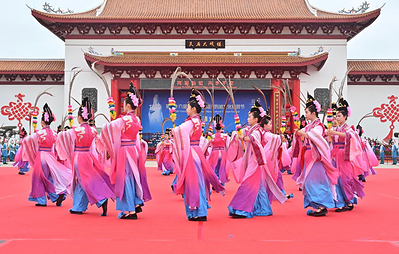
Meizhou Island, part of Putian city, offers younger visitors other ways in. These include photo shoots in traditional Mazu costume, theatre performances about the goddess and guided walks through local streets with costumed actors playing different roles.
Students from the music college of Putian University attend performances at the Mazu Festival twice a year. The university’s digital laboratory for Mazu culture is building a digital archive of Mazu temples and palaces worldwide to support research and help preserve the intangible heritage.
The Mazu Ancestral Temple on Meizhou Island is regarded as the founding temple of Mazu worship. Mazu, the most influential sea goddess in China, is venerated by seafaring communities along the Chinese coast and across South-East Asia, and Mazu belief and customs were inscribed on Unesco’s list of the Intangible Cultural Heritage of Humanity in 2009.