
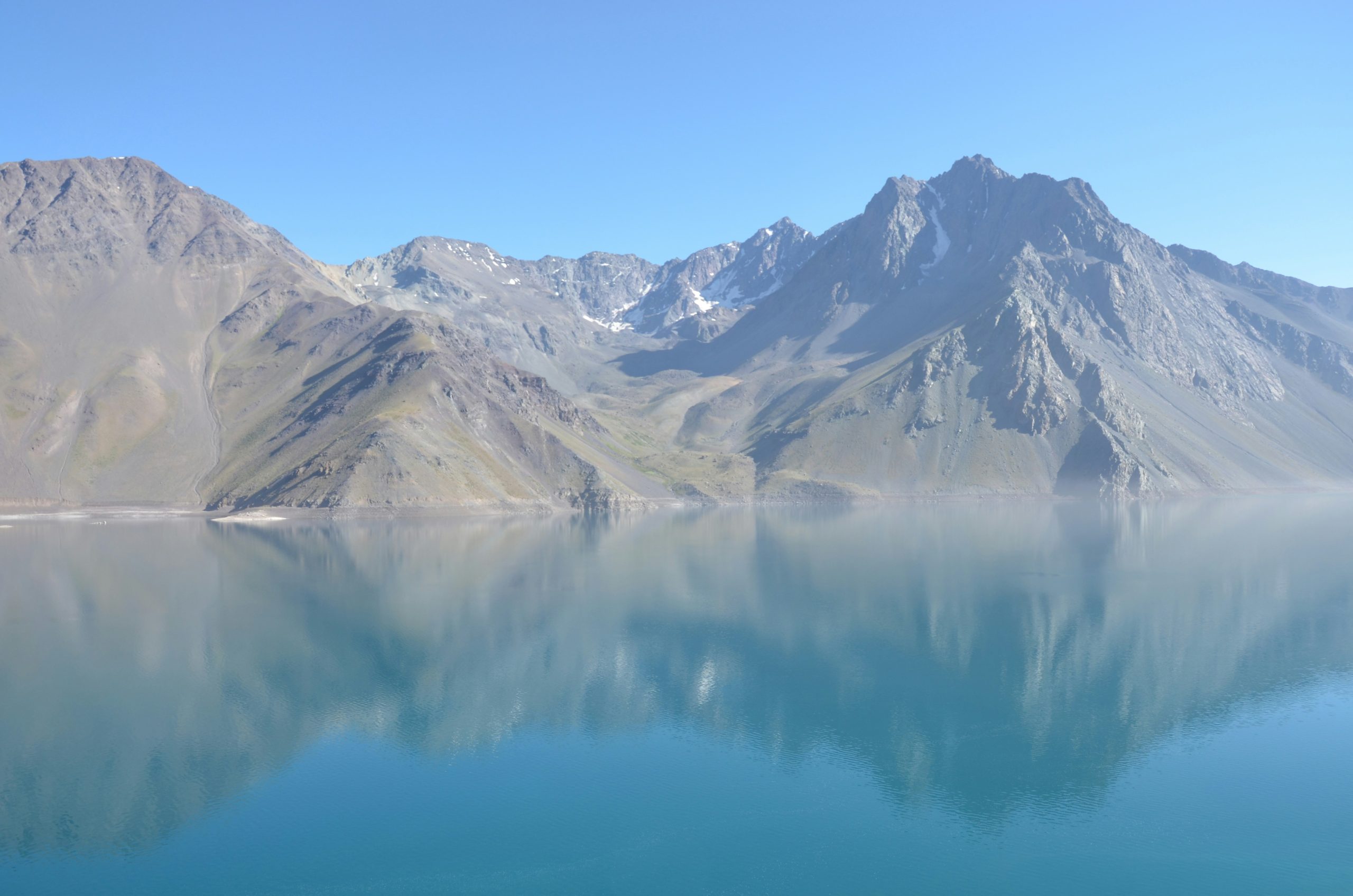
Chile’s reputation for winter travel begins and ends, for most visitors, with its ski resorts. Valle Nevado, Portillo, El Colorado — these are the names that draw international attention when the Andes turn white each June. But 75 kilometres southeast of Santiago, a quieter winter story is building in one of South America’s most spectacular Andean valleys.
Cajón del Maipo is an Andean valley located just a few kilometres from Santiago, surrounded by majestic mountains and crossed by the Maipo River. In summer, it draws hikers, climbers and day-trippers from the capital. In winter, it becomes something else entirely: a high-altitude landscape of frozen rivers, snow-capped peaks and steaming thermal pools that travel operators are only beginning to package seriously for international visitors.
The appeal is straightforward. When snow falls, Cajón del Maipo transforms into a landscape of snowy peaks, frozen rivers and mountain air that instantly clears the mind — ideal for a day trip or a weekend getaway, with options for all budgets. And crucially, it requires no technical ability, no equipment hire and no lift pass.
Thermal pools in the snow
The anchor experience for winter visitors is the Termas Valle de Colina, a series of natural hot springs set high in the mountains above the valley floor. The medicinal waters range in temperature from 55°C to 30°C across seven pools, fed by volcanic activity deep beneath the Andes. The contrast between the heat of the thermal water and the cold of the snowy landscape creates an experience that is hard to replicate anywhere else in the region.
Access depends on snowfall and road conditions — operators and visitors alike are advised to check social media channels before heading up — but when conditions allow, the Termas remain one of the most distinctive thermal experiences in South America. In winter, with snow on the ground and steam rising from the pools, the setting offers a panorama to disconnect from everything.
The reservoir that turns white
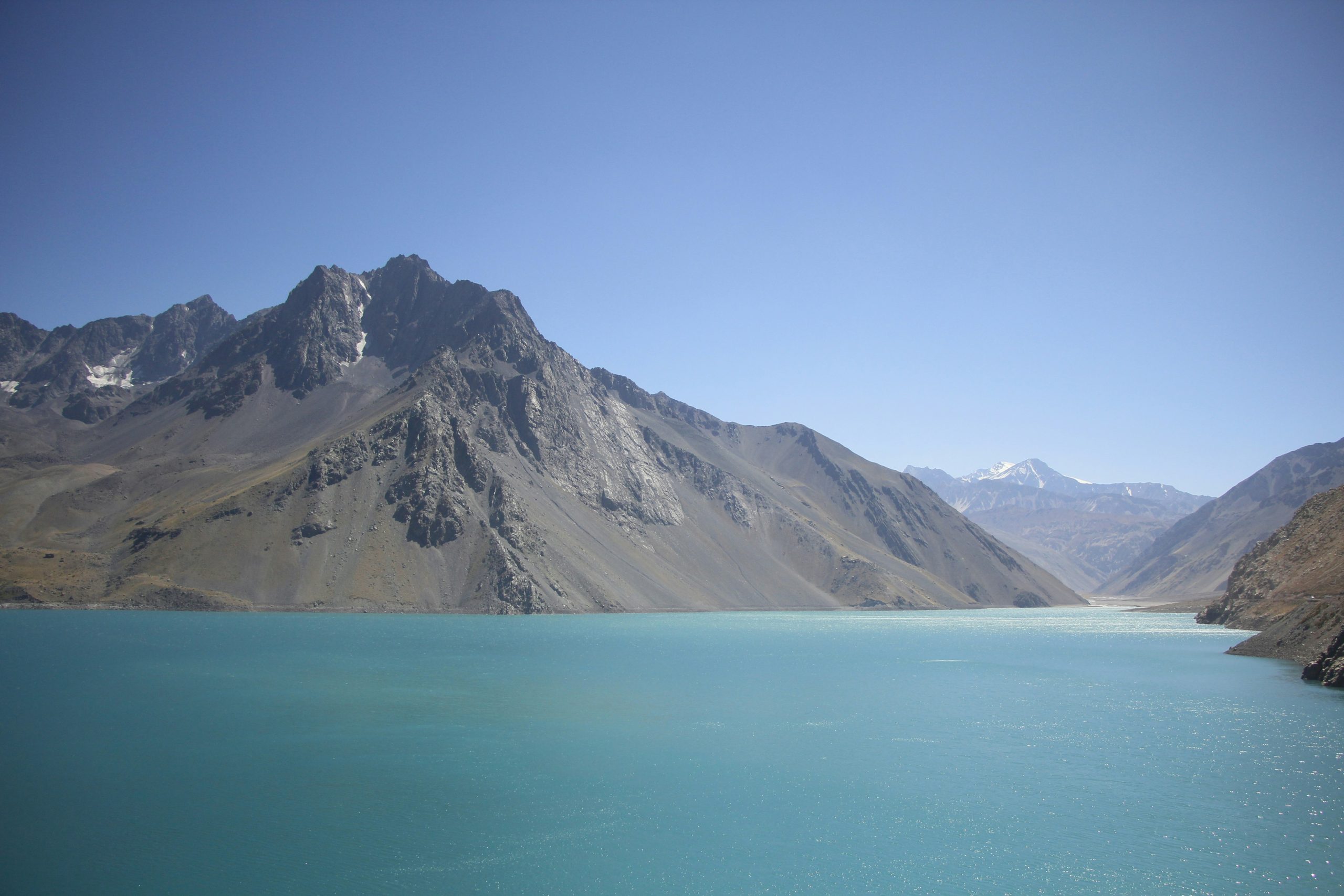
The Embalse del Yeso is a lake of turquoise waters located at approximately 3,000 metres above sea level. In winter, the roads are snowy and there is a spectacular contrast between the water and the surrounding peaks. The reservoir sits at 2,500 metres above sea level and forms one of the valley’s most striking natural attractions. Tour operators from Santiago have built popular day excursions combining a visit to the Embalse with a soak at the Termas de Colina — a pairing that has become one of the signature experiences of the Chilean Andes for non-ski travellers.
Snowshoeing as a growth sector
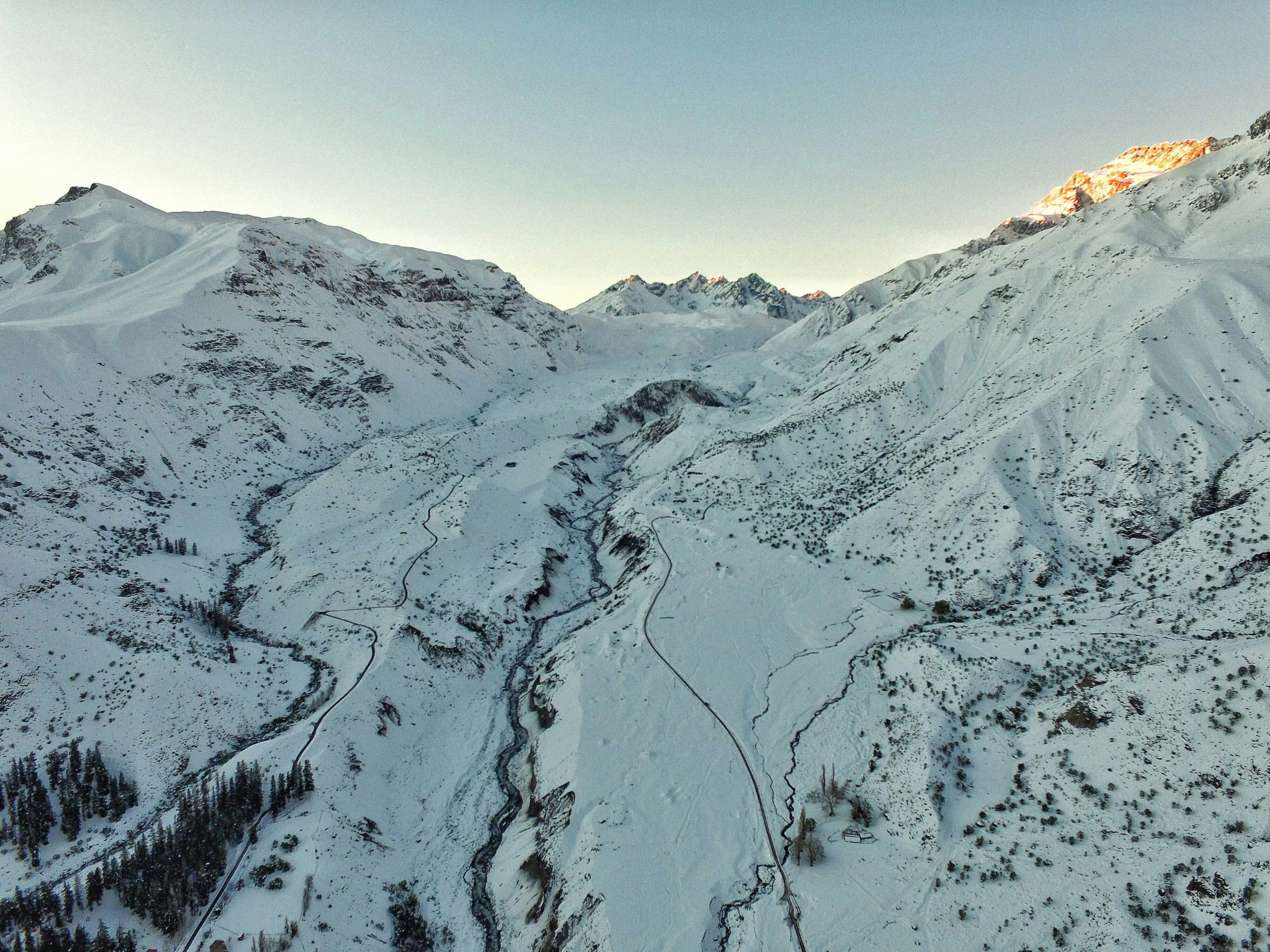
Beyond the thermal circuit, guided snowshoe tours have emerged as the activity drawing the most attention from adventure-oriented operators. From Santiago, full-day snowshoeing adventures trek towards the base of a glacier through the valley, with views taking in the San José volcano en route. Tours are suitable for participants aged 8 to 70 at medium difficulty, with equipment, bilingual guides, insurance and catering included. The activity requires no prior experience and is increasingly being positioned as an accessible gateway to Andean winter landscapes for travellers who would not consider skiing.
El Morado in winter
El Morado Natural Monument is covered in snow during winter, providing a landscape of unique beauty. Due to avalanche risk, access to some attractions including Laguna Morada is restricted, but visitors can explore the Aguas Panimávidas area and practise randonnée — a unique experience in the middle of the mountain. The monument is home to the San Francisco Glacier, which provides a dramatic backdrop even from lower-altitude access points.
Practical considerations for operators
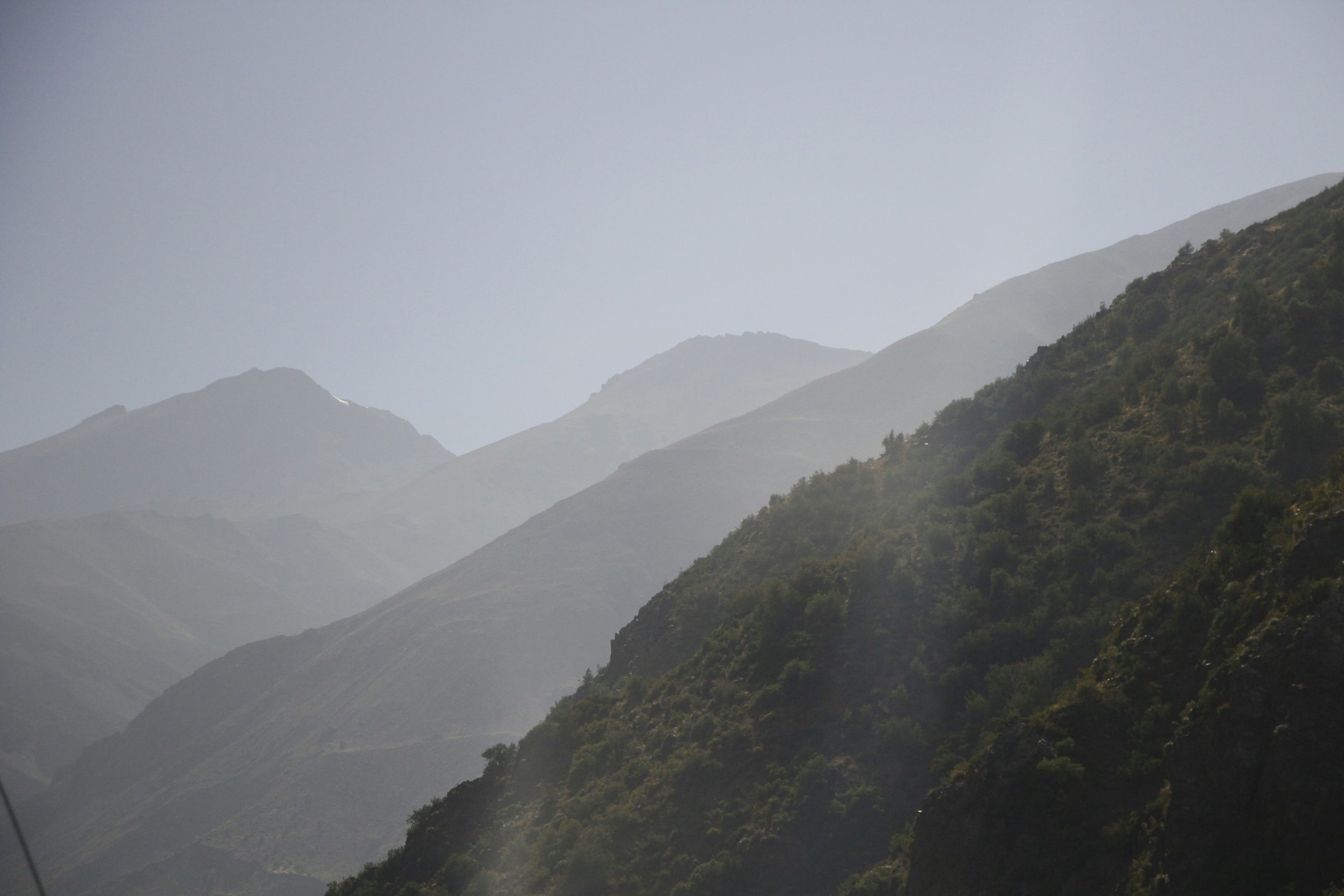
Access to Cajón del Maipo’s higher-altitude attractions is highly seasonal. High-altitude attractions frequently close without notice from June through September due to heavy snowfall and unpredictable mountain storms. Route G-25 and high-altitude areas can shut down without warning between June and September due to whiteout conditions or heavy snow. Operators building packages around the valley in winter should build flexibility into itineraries and maintain real-time communication with local guides on road and park conditions.
From Santiago, Cajón del Maipo is a 90-minute drive via Route G-25 towards San José de Maipo. Public transport options including buses and shared taxis connect from the Las Mercedes Metro station.
The opportunity
What makes Cajón del Maipo compelling for the travel trade is not that it competes with Chile’s ski resorts — it doesn’t. It is that it offers a credible, accessible, visually dramatic winter product for the large proportion of international visitors who want Andean landscapes without the learning curve of snow sports. As operators across Latin America look to extend winter season programming beyond the traditional ski market, the valley sits ninety minutes from one of the continent’s busiest gateway airports, largely underpromoted and ready.