
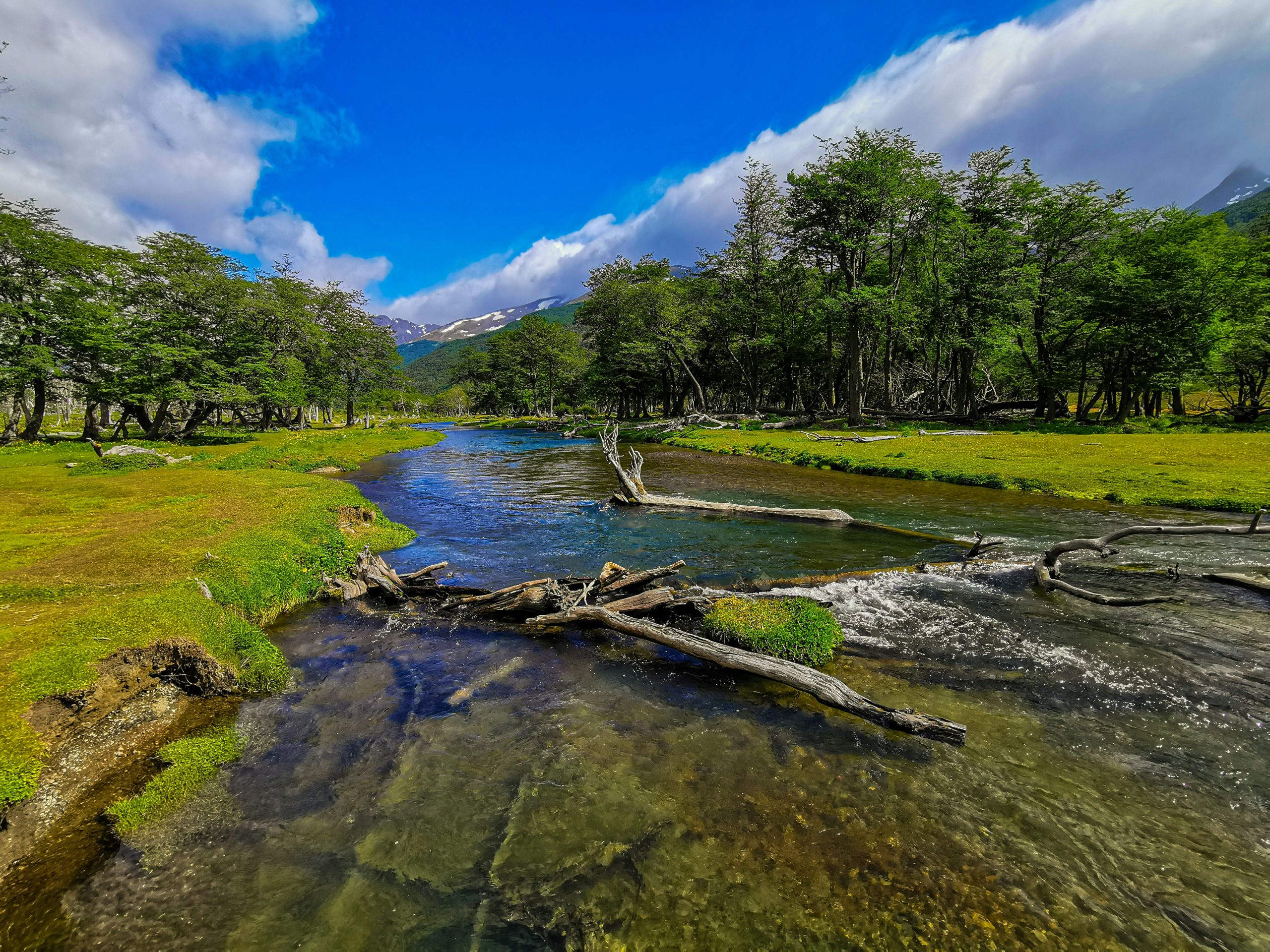
At the southern tip of Argentina, wedged between the Fuegian Andes and the Beagle Channel, Ushuaia occupies a unique position in global tourism. Three thousand kilometres south of Buenos Aires, it is known as the southernmost city in the world — a place where more than half a million travellers arrive each year drawn by landscape in its raw state, wildlife untethered to a script, and the unmistakable sense of standing at the edge of the map.
But Ushuaia is not a destination you simply visit. It is one you use as a base. Almost everything that justifies the trip happens outside the city: on the water, inside the subantarctic forest, or climbing the lateral moraine of a retreating glacier. The local term for these outings — excursiones en Ushuaia — has become shorthand for a tourism model that is quietly beginning to ask serious questions about how it grows.
A fragile ecosystem under growing pressure
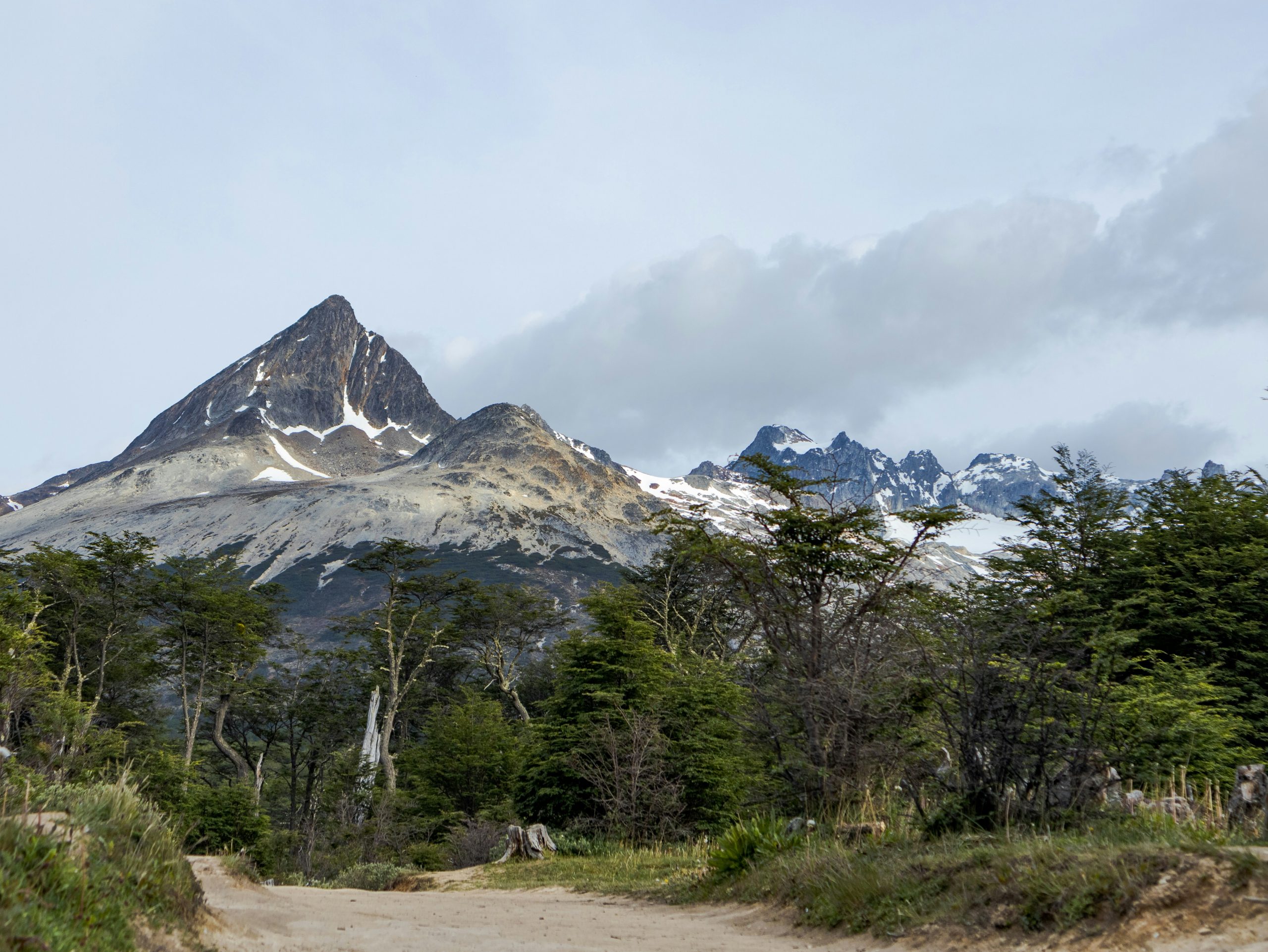
Tierra del Fuego is an island with a maritime climate that is cold and humid year-round. Its dominant vegetation is the subantarctic forest of lenga, ñire and guindo, which burns red in autumn. It is also one of the most climate-sensitive regions on the continent. Beaver populations introduced from Canada in the 1940s have reshaped riverine ecosystems. Krill stocks in the Beagle Channel — the base of the food chain for the cormorants, sea lions and penguins that draw most visitors — are tracked closely by Argentine and Chilean researchers. That fragility is no longer a footnote in how tourism operates here.
Environmental conservation is a growing concern in Ushuaia. The city’s proximity to fragile ecosystems, including Antarctica and Tierra del Fuego National Park, requires careful management to preserve biodiversity. Efforts to promote sustainable tourism, such as limiting cruise ship traffic and supporting eco-friendly accommodations, are gaining traction.
Legislation and the plastic-free province
One of the most concrete sustainability achievements in the region is legislative. Tierra del Fuego is the first province in Argentina free of single-use disposables. Plastic bags are banned, and disposable tableware including straws, cups, cutlery and containers are forbidden inside stores.
The Ushuaia Eco Pledge has emerged as the community-led initiative channelling this commitment into visitor behaviour. More than 120 people from different parts of the world have signed the pledge, with an estimated reduction of 150 kg of single-use plastics avoided so far this season. Of the total signatories, 46% are visitors from Argentina. The movement connects travellers, local businesses, guides and institutions under a common goal: reducing plastic pollution in Tierra del Fuego by 2030 and positioning Ushuaia as a benchmark destination for sustainable and eco-conscious tourism.
Record cruise arrivals and Antarctic gateway status
Tourism volumes are rising sharply. Ushuaia achieved a historic milestone in late December 2025, hosting nineteen cruise ships over three days from 26 to 28 December, with approximately 10,600 passengers disembarking to explore the region before embarking on Antarctic voyages. Port calls at Ushuaia have grown from 213 in the 2015/2016 season to 422 in 2024/2025, consolidating its status as a leading gateway for Antarctic tourism.
The growth has also prompted calls for stronger scientific and logistics infrastructure. At the first Antarctic Congress in Ushuaia, held in November 2025, specialists in logistics, science and the environment agreed that sustainable infrastructure development is key — not only to boost tourism, which exceeded 80,000 Antarctic visitors in 2023, but also to facilitate scientific research and increase the number of programmes supported from Argentina.
Luxury development incoming
High-end investment is following the visitor numbers. Minor Hotels has announced the Anantara Ushuaia Patagonia Resort, scheduled to open in early 2028. The property will form part of the Costa Susana master plan, positioned near Tierra del Fuego National Park, and will feature 60 guest rooms and suites, a spa and wellness centre, dining options and meeting facilities. The Costa Susana project — Argentina’s first carbon-neutral real estate development — has also been nominated for the World Architecture Festival in the Landscape and Environment category.
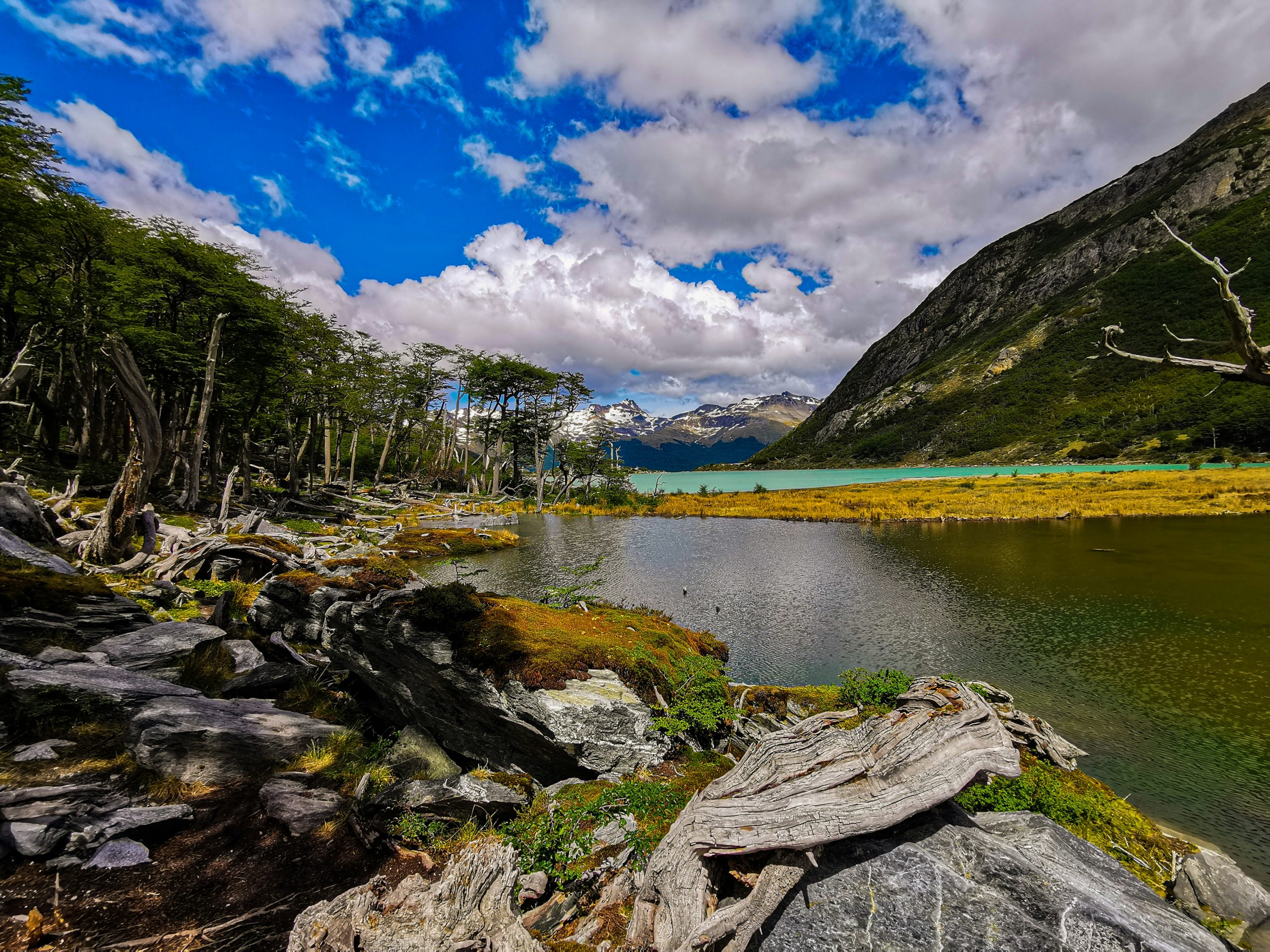
Nearby attractions for resort guests will include world-class ski resorts, journeys on the iconic End of the World Train, luxury Antarctic cruises and exploration of Tierra del Fuego National Park — a 70,000-hectare sanctuary encompassing Patagonia’s last Andean peaks and dramatic coastal ecosystems.
What it means for the industry
Ushuaia’s trajectory reflects a wider tension playing out across emerging adventure destinations: how to absorb rapid growth without compromising the very assets that drive demand. The city’s response — legislative action on plastics, community-led pledges, conservation-integrated excursions and carbon-neutral development frameworks — offers a model that travel professionals operating in climate-sensitive regions are watching closely.
For operators and investors, the pipeline is clear. The question is whether the infrastructure keeps pace with the principles.