
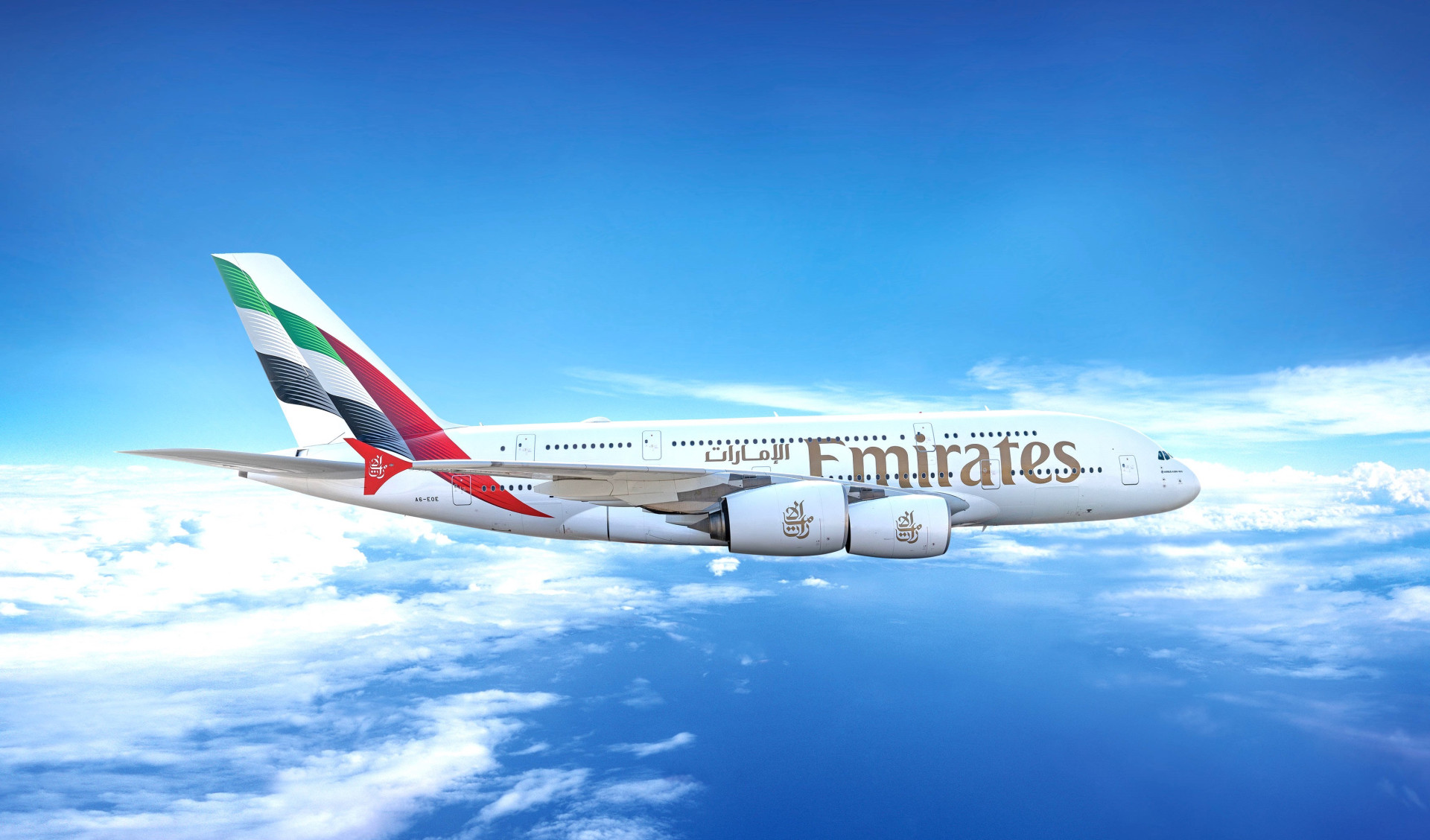
More than 23,000 flights have been cancelled across the Middle East since February 28, cutting approximately 4.4mn seats and threatening the region’s airlines with losses running into billions of dollars, as airspace closures triggered by US and Israeli strikes on Iran continue to disrupt global aviation.
Of roughly 36,000 flights scheduled to operate to or from the Middle East over the period, more than half were cancelled. Fitch Ratings said the length of the disruption will determine the hit to airlines, airports and tourism, adding that a longer conflict could strain less diversified businesses.
The UAE reported 74.44% of flights cancelled, while Qatar saw 81.68% of its scheduled flights grounded. Kuwait International Airport remains closed entirely after a drone strike damaged Terminal 1.
Regional airlines under pressure
Qatar Airways flight operations remain temporarily suspended due to the closure of Qatari airspace, though the airline said it intends to operate a limited number of arriving flights on March 9 from Amsterdam, Berlin, Frankfurt, London Heathrow, Zurich and Muscat following temporary authorisation of a limited operating corridor.
Oman Air cancelled all flights to and from Amman, Dubai, Bahrain, Doha, Dammam, Kuwait, Copenhagen, Baghdad and Khasab from March 9 to March 15. Saudia partially resumed flights between Riyadh and Dubai and between Jeddah and Dubai on a reduced schedule from March 7, but extended suspensions to Amman, Kuwait, Abu Dhabi, Doha and Bahrain.
Saudi takes up some slack
Saudi Arabia’s low-cost carrier flynas extended suspensions of flights to and from the UAE, Doha, Bahrain, Kuwait, Iraq and Syria until March 9.
Fitch said more than 15,000 flights were cancelled across seven regional airports, with costs rising as aircraft detour around closed airspace, extending flight times and fuel burn. Airlines face added expenses from technical stops, crew overtime, accommodation and airport handling fees.
Oxford Economics estimates international arrivals to the region could fall between 11% and 27% in 2026 depending on how long the conflict lasts, implying 23mn to 38mn fewer visitors than previously expected and a $34bn to $56bn hit to tourism spending.
More than 52,000 Indian nationals were evacuated from the UAE and other Gulf states within a week of the crisis through coordinated airline and diplomatic efforts. The UK government has also announced repatriation plans for stranded British nationals.
Aviation analysts noted that travel patterns often recover once airspace restrictions lift, and that Middle Eastern hubs remain strategically positioned between Europe, Asia and other long-haul markets. Tighter capacity has lifted fares on some affected routes, partially offsetting lost revenue for carriers still operating.
Meanwhile, regional competitors, including Turkish Airlines, are seeing increasing bookings in recent months as people look for alternative open-jaw destinations. However, Turkish Airlines, AJet, Pegasus and SunExpress have cancelled all flights to Iraq, Syria, Lebanon and Jordan through the end of March 13.