
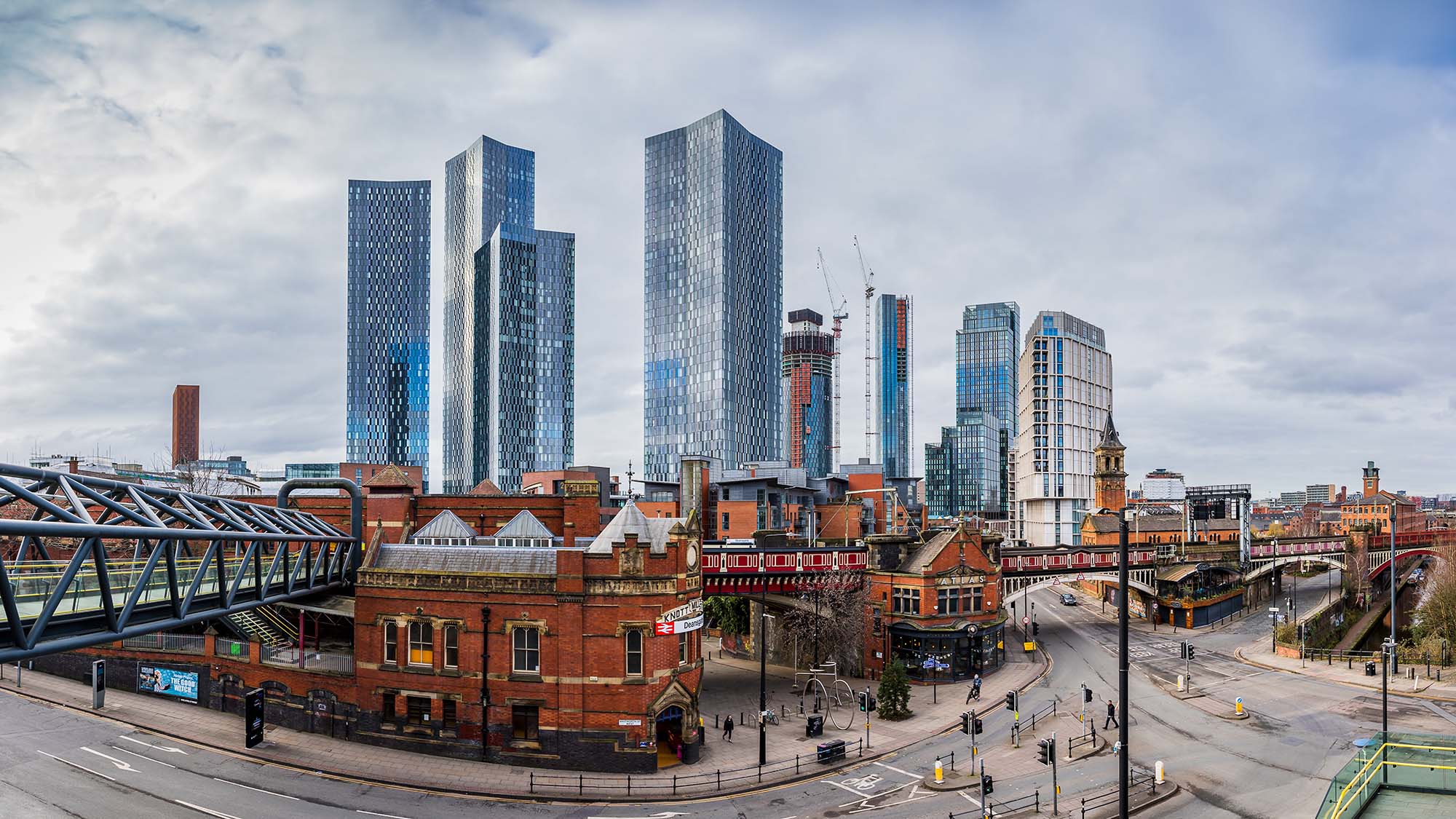
Indian carrier IndiGo will suspend its flights to Manchester from August 31, less than a year after launching the route, citing higher operating costs and airspace constraints, The Economic Times reported on June 3, citing PTI.
The withdrawal will leave no direct air connectivity between Indian cities and Manchester (dubbed Manchattan). IndiGo currently operates three weekly flights from Delhi and four from Mumbai, both launched in July 2025.
The reason? The ongoing decline in visas issued by the UK to India, compounded by the fuel crisis on the back of the war in Iran, has sent long-haul low-cost carriers into a tailspin.
India’s largest airline said it would also return one Boeing 787-9 Dreamliner leased from Norse Atlantic Airways following the decision. IndiGo said it was temporarily discontinuing the flights because of continuing international airspace constraints that had significantly increased flight times, alongside a challenging cost environment.
The airline had wet-leased six Dreamliners from Norse Atlantic as part of efforts to establish its brand in the European market, ahead of introducing services with its own Airbus A350 aircraft. It said it had since faced industry-wide pressures, including geopolitical developments in the Middle East, rising aviation turbine fuel costs, severe airspace constraints and currency volatility, leaving operating costs considerably higher than expected.
Abhijit Dasgupta, senior vice president of network planning and revenue management at IndiGo, said the leased aircraft had been used to fast-track connectivity to high-potential long-haul destinations such as Manchester, where demand had been encouraging.
“It is, therefore, unfortunate that longer flying times due to airspace constraints coupled with dramatically escalating costs compelled us to take the decision to temporarily discontinue our India-Manchester services,” Dasgupta said.
IndiGo flies to more than 40 international destinations. The airline is separately cutting 12-15% of its domestic flights for the September quarter, citing rising jet fuel prices linked to the Middle East crisis and weaker travel demand.