
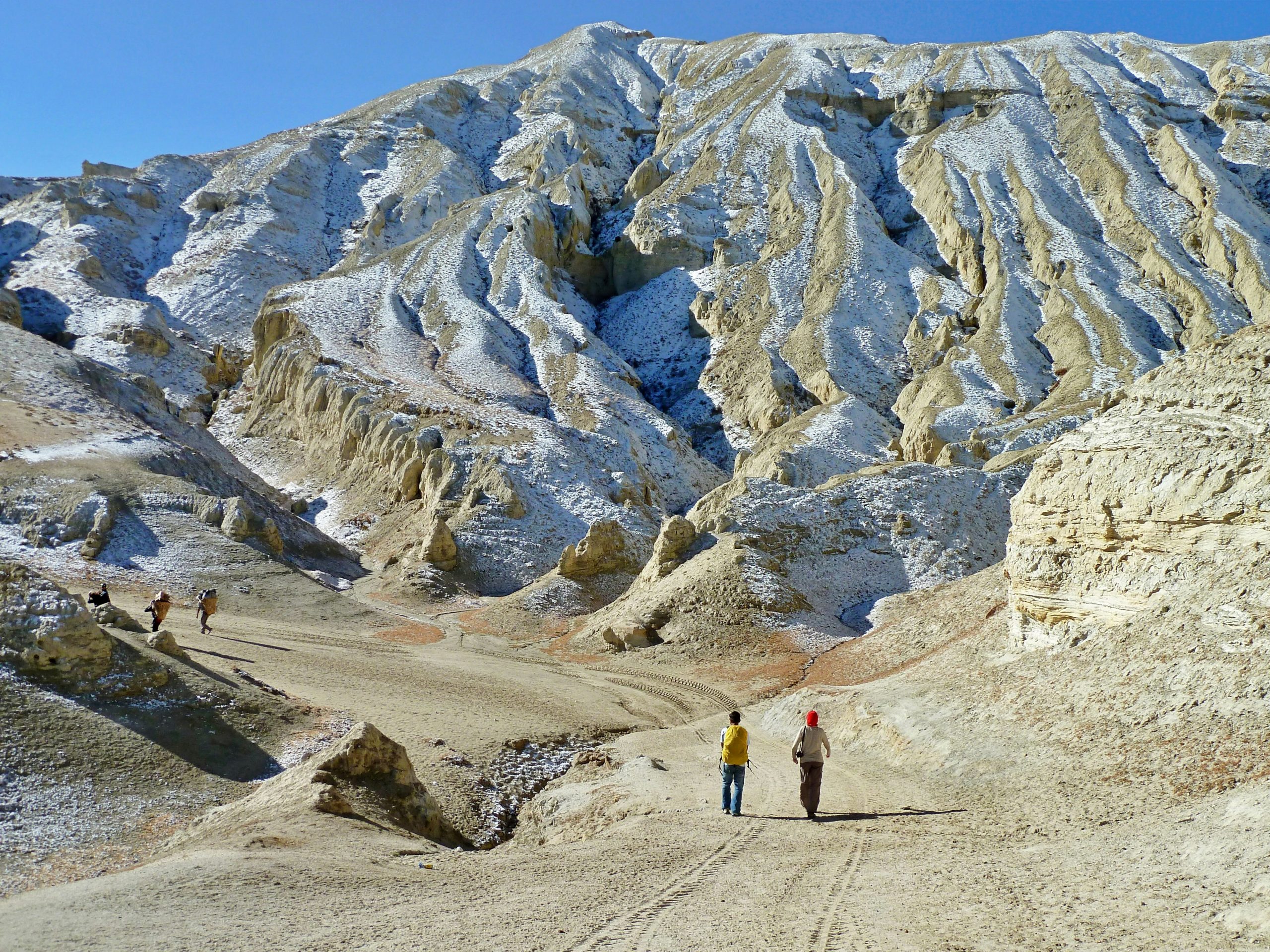
Nepal’s Upper Mustang, a restricted Himalayan kingdom bordering Tibet that has been largely off-limits to independent travellers for decades, opened its gates to solo foreign trekkers on March 23, 2026, in a regulatory shift that could reshape one of Asia’s most closely managed tourism destinations.
The Department of Immigration in Kathmandu issued a public notice removing the requirement for a minimum of two foreign trekkers to obtain a Restricted Area Permit (RAP) for Upper Mustang. Solo travellers must still engage a registered trekking agency and be accompanied by a licensed Nepali guide at all times, but the two-person group rule that had defined access for years is gone.
The permit fee has also been revised to $50 per day, replacing a flat $500 charge for a 10-day permit, a change that brings the cost of visiting one of the Himalayas’ most culturally intact regions into closer reach for independent travellers. Northnepaltrek
The rule change arrives on the back of strong visitor growth. Mustang recorded 161,122 foreign visitors between January 1 and December 31, 2025, an 18% increase on the previous year, according to the Annapurna Conservation Area Project (ACAP). Travel And Tour World
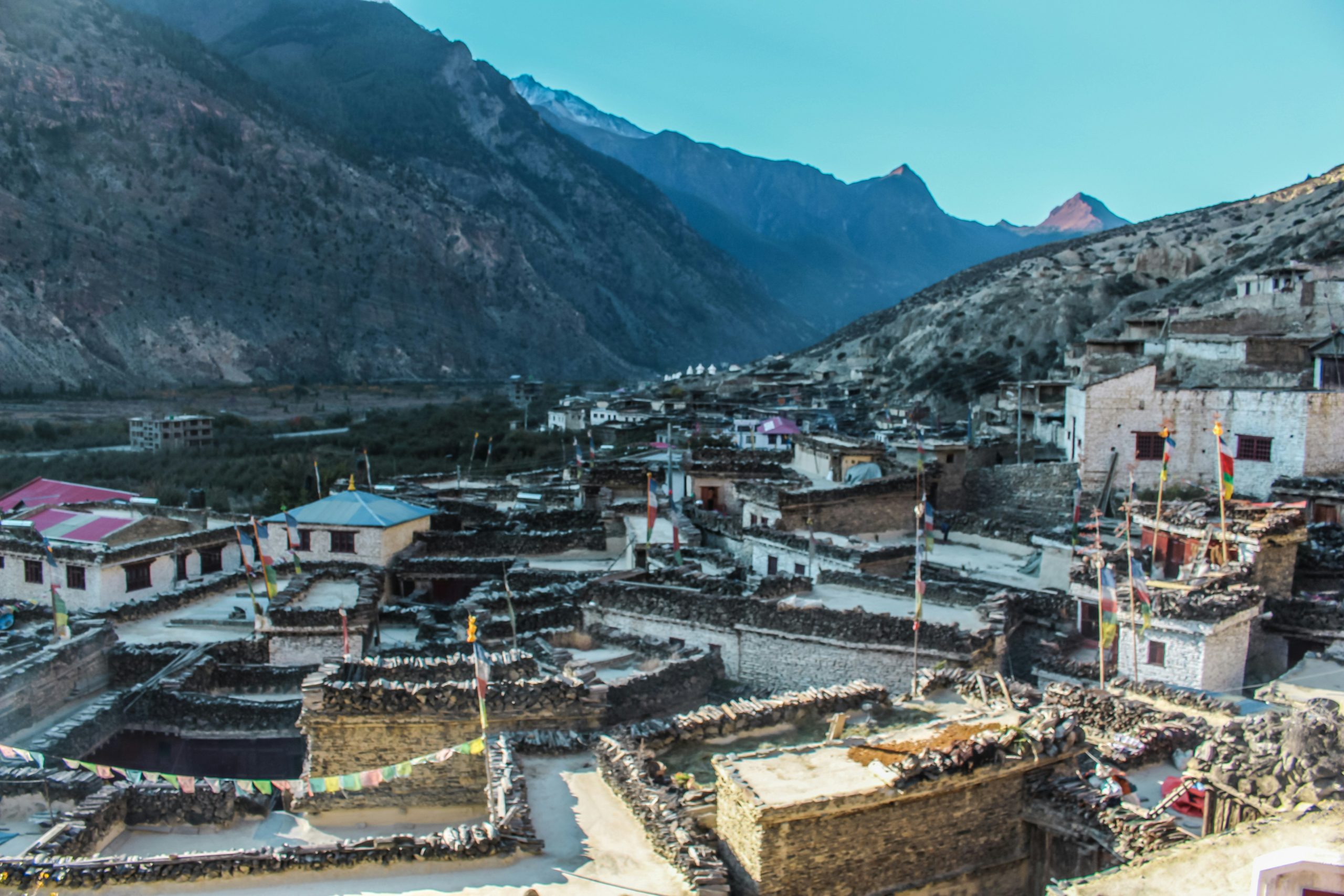
Upper Mustang sits at an altitude of 3,840 metres. Its centrepiece, Lo Manthang, is a walled city that has been inhabited continuously for over 600 years. The region follows the ancient Kali Gandaki salt trade route between Nepal and Tibet and houses monasteries dating to the 15th century, including 900-year-old Thangka paintings.
As of 2026, most of the road between Beni and Lo Manthang is paved. Only 15 to 20 kilometres between Beni and Kagbeni remains off-road, making jeep access to the walled capital increasingly viable for travellers who prefer not to trek. Himalayanst
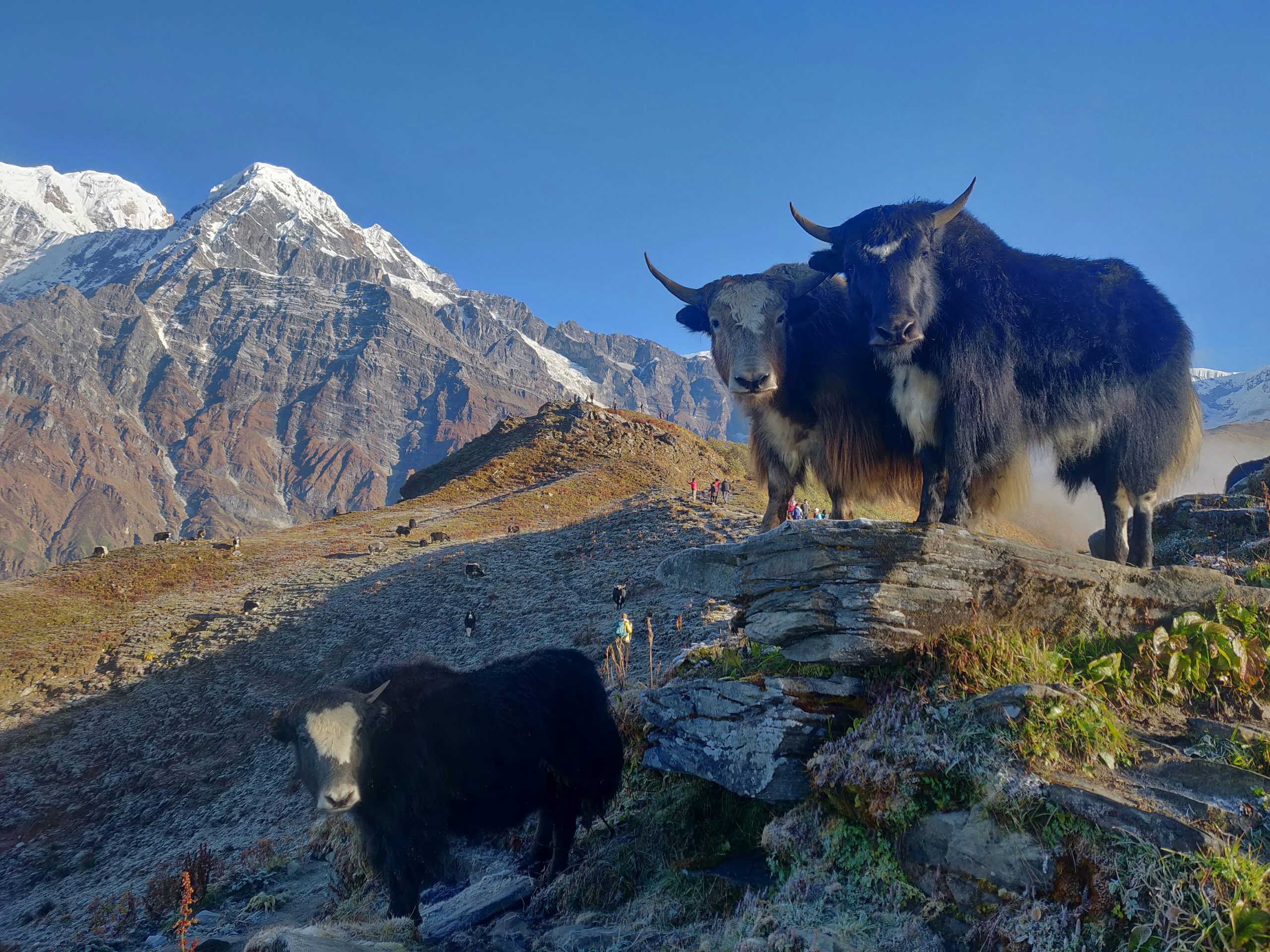
Upper Mustang is one of 15 restricted zones that all border Tibet. The permit system has historically kept visitor numbers low enough to protect some of the most intact Tibetan Buddhist culture anywhere in the world, including Tibet itself, where decades of political upheaval eroded much of the old way of life.
Whether the solo permit reform leads to a significant increase in arrivals — and what that means for a destination built around managed access — will be the defining question for Nepal’s tourism authorities in the months ahead.