The Pacific Asia Travel Association (PATA) and the East Asia Inter-Regional Tourism Federation (EATOF) will run a Tourism Destination Resilience (TDR) training workshop in Gangwon State, Korea, on 11 November, as the province looks to manage rising visitor numbers alongside forest fires, harsh winters and swings in demand.
The one-day workshop is aimed at local tourism officials and industry stakeholders, and will cover how to identify and manage risks, respond to crises and keep destinations sustainable over the long term. Participants will include representatives of the Gangwon Tourism Foundation, municipal tourism authorities and local businesses.
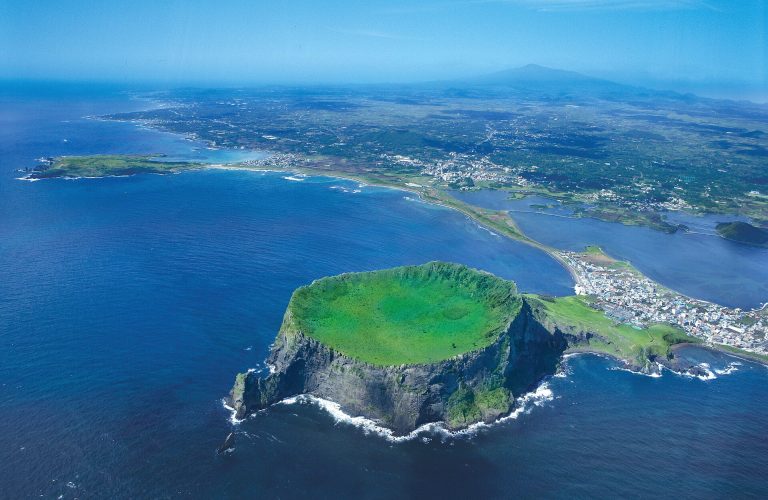
Gangwon, home to mountainous national parks such as Seoraksan, a long east coast and the winter sports infrastructure built for the 2018 PyeongChang Olympics, is coming to the end of its 2025–2026 Visit Gangwon Year campaign. Seasonal forest fires, extreme winter weather, fluctuating demand and periods of heavy visitor concentration have all put risk management and coordination between local stakeholders higher up the agenda.
“Tourism destinations are increasingly required to navigate a complex and rapidly changing environment. Building resilience is not a one-time effort, but an ongoing process that requires preparedness, collaboration, and a shared commitment to the long-term well-being of destinations and their communities,” said PATA CEO Noor Ahmad Hamid.
The training will introduce practical tools for identifying and assessing environmental, economic and operational risks, and will look at international approaches to crisis communication, emergency planning and coordinated response, adapted to Gangwon’s own circumstances.
Hamid said PATA’s TDR programme combines online learning resources with practical capacity-building work, and that the association had worked with destinations across Asia Pacific to strengthen their preparedness. “We are pleased to bring this experience to Gangwon State and, together with EATOF and local partners, help strengthen the region’s ability to anticipate, prepare for, and respond to future challenges,” he said.
Lee Dong-hee, Secretary-General of EATOF, said the workshop was intended to deepen cooperation between the two organisations and “work together to address the challenges that climate change poses to the tourism industry”.
Korean regions outside Seoul are pushing harder for international visitors, with Gwangju’s Dongmyeong-dong recently pitched to American travellers as one of the country’s new “glocal” commercial districts. Crisis preparedness has also become a recurring theme across the industry, from Marriott’s warning at the WTTC Global Summit that crisis is now the new normal to the recovery scenarios being modelled for the Middle East.
PATA has been expanding its partnerships across the region, most recently welcoming Qatar Tourism as a member at WTM London and signing a memorandum of understanding with Azerbaijan. The association said it would step up its capacity-building work in 2027, with a focus on destination resilience, sustainability, marketing and artificial intelligence.