
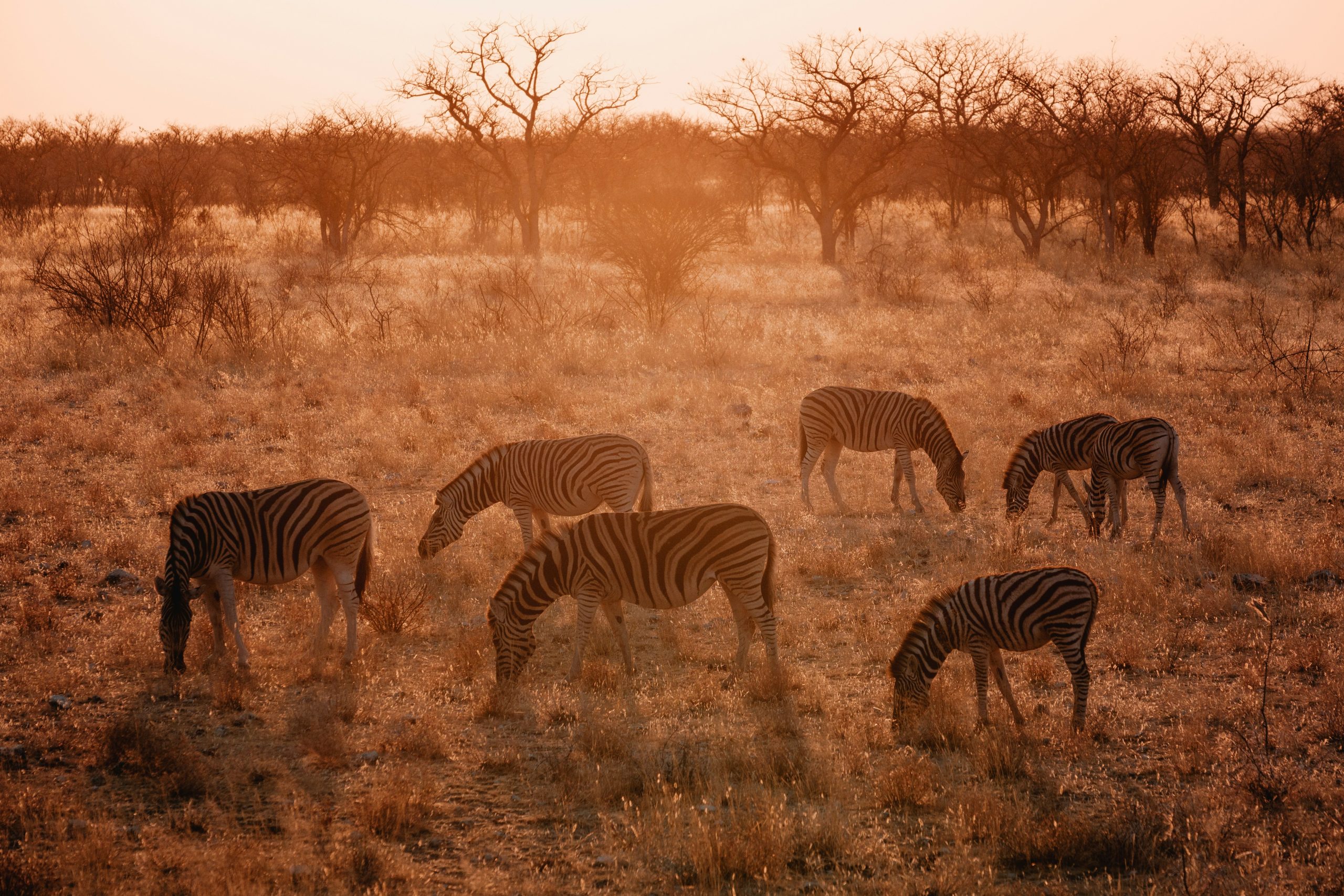
A large-scale wildlife translocation has bolstered conservation areas across Namibia, including communal conservancies in the Kunene Region, in a project led by the Ministry of Environment, Forestry and Tourism (MEFT).
A total of 575 animals were moved from Etosha National Park to conservation areas around the country as part of ongoing efforts to restore wildlife populations, rebuild ecological balance and support community-based conservation, according to the ministry.
The operation, valued at approximately NAD6.7mn ($0.40mn) in total, was carried out through a partnership between government, communities and private conservation organisations. The Conservation Travel Foundation (CTF), the non-profit conservation arm of tour operator ultimate.earth, formerly known as Ultimate Safaris, worked with the Lion Recovery Fund to contribute around NAD2.7mn ($0.16mn) towards the translocation.
“The bolstering of wildlife populations to these landscapes is a powerful reminder of what can be achieved when we work together towards a shared conservation vision,” said Tristan Cowley, founder of the Conservation Travel Foundation. “Namibia’s conservation success has always been built on partnership. Government has created the framework that allows conservation to thrive, communities remain the custodians of these landscapes, and organisations such as CTF and the Lion Recovery Fund can help mobilise additional support to strengthen these efforts.”
The Kunene Region is known for its desert-adapted wildlife, including free-ranging black rhino, elephants and lions. Conservationists say restoring healthy prey populations in the region is important for maintaining ecological balance and reducing conflict between predators and local communities, while also supporting the rural livelihoods that depend on Namibia’s communal conservation and nature-based tourism model.
“The scale of conservation challenges facing Namibia requires collaboration from all sectors of society,” Cowley said. “When government, communities, conservation organisations and responsible private-sector partners combine their efforts, we can achieve outcomes that would not be possible individually.”