
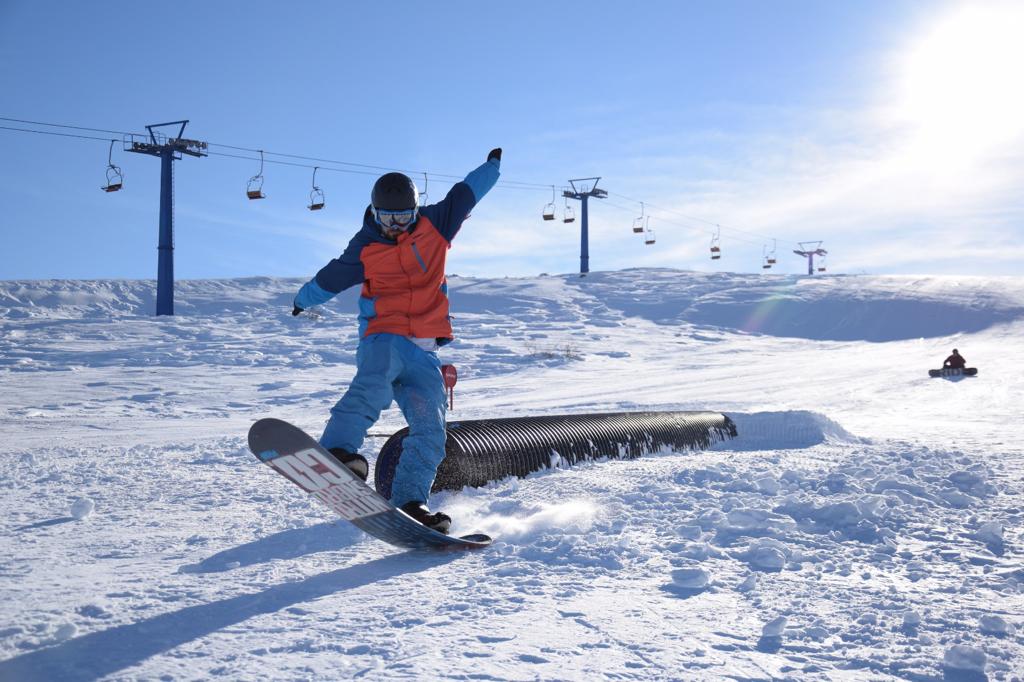
North Macedonia’s oldest ski resort, Popova Sapka, is at the centre of the country’s push to grow winter tourism, with Prime Minister Hristijan Mickoski signalling on January 5 that an unidentified investor is in advanced discussions to redevelop the Shar Mountain destination into a year-round resort, Republika English reported.
“We are on the right path. I can’t say that all the details are secured, but we have a serious investor and I’m an optimist that we will reach the final goal — that Popova Sapka is the most beautiful tourist centre in the region,” Mickoski said during a visit to the resort.
The prime minister said the resort would operate year-round and count on its proximity to Skopje International Airport. Plans include the revival of a gondola link to the town of Tetovo, along with additional ski lanes. The gondola, which previously connected the resort to Tetovo before falling out of use, is seen as critical to easing access for both domestic and international visitors.
The resort’s current accommodation offer is a mix of ski-adjacent lodges, smaller hotels and guesthouses. Hotel & Spa Arena, positioned close to the ski tracks, provides spa, pool and restaurant facilities aimed at skiers. Konak – Popova Sapka offers ski-in, ski-out access, a sauna, mountain views and a restaurant serving local cuisine. Recently renovated Casa Leone Hotel & Restaurant operates as a bed and breakfast with a sauna and room service, while Villa 99 and Paradiso View Villa cater to self-catering visitors seeking mountain views. The breadth of the offer remains limited relative to comparable Balkan winter destinations, a gap the government’s investor outreach is aimed at closing.
The resort sits at 1,800 metres above sea level in the Shar Mountains, around 48 km from Skopje, and is one of the ski destinations identified in the World Bank’s Local and Regional Competitiveness Project (LRCP) as complementing North Macedonia’s established tourism centres of Skopje and Ohrid. The LRCP, funded by an EUR18mn (approximately $19.5mn) grant from the EU’s Instrument for Pre-Accession Assistance II and co-financed by the government of North Macedonia, was designed to raise the contribution of tourism to local economic development and strengthen government capacity to manage destination growth. The project covered ten priority destinations across the country, working to attract further private investment, increase overnight stays and improve spending per tourist.
The investment push comes as North Macedonia records strong tourism growth at the national level. Foreign visitors rose 19.7% in the first half of 2025 compared with the same period in 2024, while overall tourist numbers were up 13.5%. Foreign arrivals reached 101,462 in May alone, a 27.7% increase year-on-year.
Air connectivity has expanded in parallel. The government allocated MKD360mn (approximately $6.3mn) in airline subsidies for the 2025-2027 period, targeting an increase of 200,000 annual passengers across Skopje and Ohrid airports. A Freebird Airlines charter programme launched in early 2025 is expected to bring a combined 35,000 tourists from Germany, France and Great Britain to Skopje by year end, while Wizz Air launched five new routes from the two airports for the 2025/26 winter season.
The broader investment environment is shaped partly by North Macedonia’s EU accession trajectory. The country made incremental progress toward accession in 2025, though the unresolved bilateral dispute with Bulgaria continues to block the opening of formal negotiations. North Macedonia did join the Single Euro Payments Area in early March 2025, easing cross-border payments and anchoring the country more firmly within the EU’s financial space. Deputy Prime Minister Bojan Marichikj has stated the country could target EU entry by 2030, a date that has drawn support from senior EU officials.
For the travel industry, EU accession would be expected to ease visa processes, normalise standards and deepen access to a wider pool of European visitors for destinations including Popova Sapka, which the government has positioned as its primary mountain tourism growth asset.