
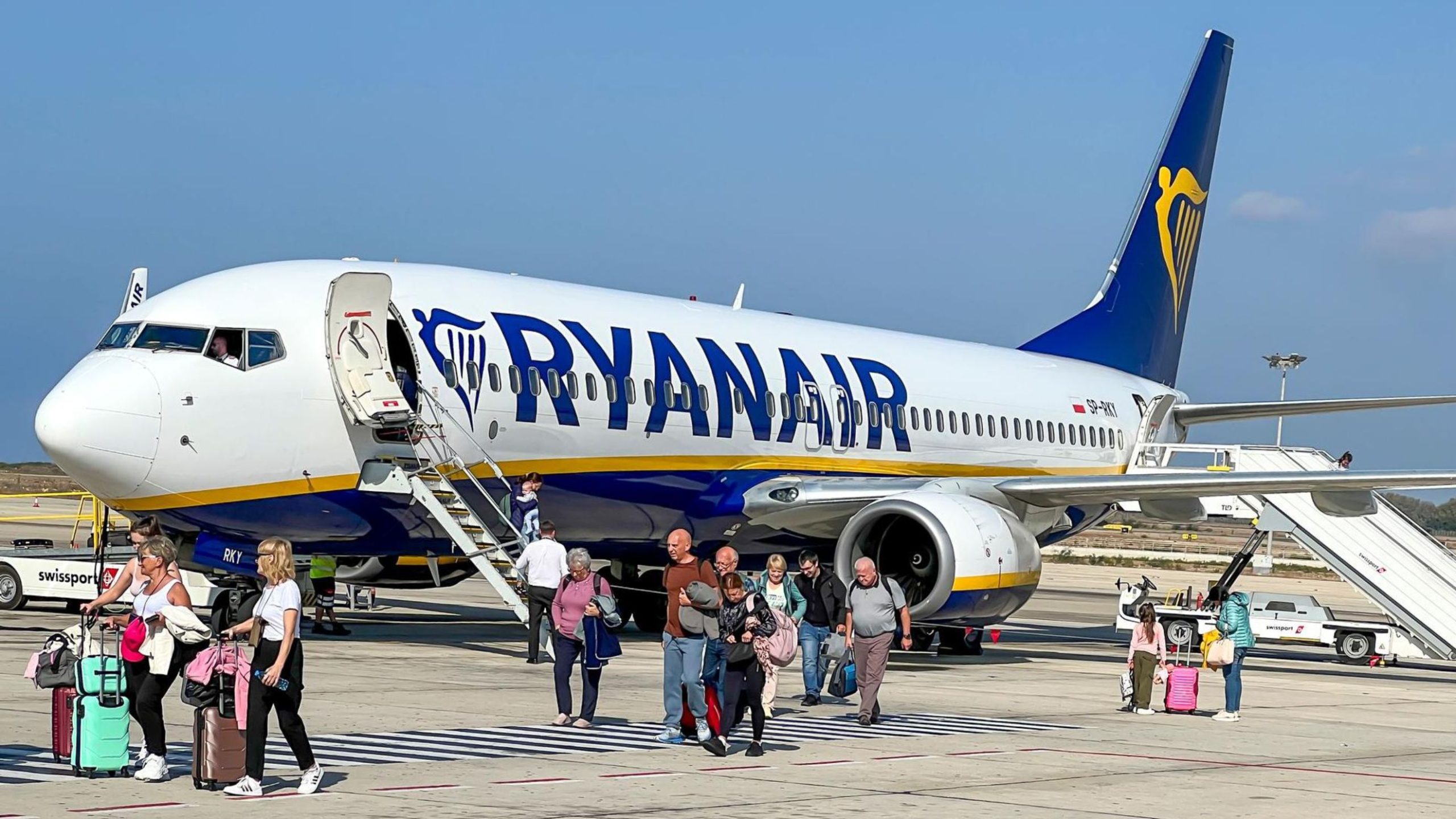
Airline passengers flying to and from the European Union will keep the right to a free cabin bag and compensation for delayed flights under a provisional agreement that ends a 13-year legislative deadlock, the EU comission announced on June 15.
The deal revises Regulation EC 261/2004, the bloc’s air passenger rights framework, and lands as low-cost carriers that unbundle cabin baggage have come to dominate intra-European flying. EU ambassadors and the Cypriot presidency of the EU Council struck the agreement on June 12, with a European Parliament plenary vote expected in July and the rules due to enter force in 2027.
Under the compromise, airlines must include a personal item and a standard cabin bag in the advertised base fare, ending the separate charges that budget carriers currently levy. Carriers may still offer a cheaper fare tier for passengers who choose to travel without a cabin bag, shifting the obligation from outright inclusion to price transparency. Booking platforms and intermediaries will have to display the full fare inclusive of carry-on luggage from the start of the booking process.
The deal preserves the existing compensation structure, under which passengers are entitled to between €250 and €600 for delays of three or more hours, depending on flight distance, defeating an industry push to raise the threshold to five hours. It also bans charges for correcting minor spelling errors in bookings, requires pre-filled compensation claim forms and tightens the definition of the extraordinary circumstances that exempt airlines from payouts.
The International Air Transport Association criticised the retention of the three-hour threshold, warning it ignored the air traffic control delays gripping European airspace. The European Regions Airline Association has estimated the changes could lift the annual cost of the regulation to more than €15bn from €8.1bn.
Easyjet chief executive Kenton Jarvis had called the free hand luggage proposal “crazy European legislation” during the parliamentary phase.
Why it matters
For operators and DMCs, the headline is pricing transparency that finally lets clients compare like with like across carriers. Once the rules bite in 2027, the advertised fare on an EU-departing route will include a cabin bag, narrowing the gap between legacy and low-cost pricing and reducing the gate-fee surprises that generate client complaints.
Emerging-market carriers serving Europe will need to align fare displays on EU routes, and the codified extraordinary-circumstances list should cut the litigation uncertainty that has clouded compensation claims. The trade-off worth flagging to clients is the airline warning that base fares may rise to absorb the cost, so the saving on bags is not guaranteed to be a net saving on the ticket.