
Marriott International (NASDAQ:MAR) is marketing multi-property itineraries and fixed-date experiential programming across its Caribbean and Latin America portfolio, backed by a discount tied to minimum length of stay, the group said on July 27.
The pitch is aimed at agents and operators selling longer, higher-value bookings rather than single-property stays. It lands as Marriott’s recent activity in the region has tilted towards top-end resorts rather than additional mid-tier all-inclusive capacity, where supply from the Dominican Republic and southern Europe has grown. Two of the properties named in the push have opened within the past year.
The core Mexico itinerary pairs urban and coastal stays. It opens at The Ritz-Carlton, Mexico City, above Chapultepec Park, with access to Chapultepec Castle and the surrounding cultural district, then moves to Siari Riviera Nayarit, a Ritz-Carlton Reserve, on the Pacific coast between the Sierra Madre and the ocean. Siari is the brand’s second Reserve property in Mexico and opened in November 2025.
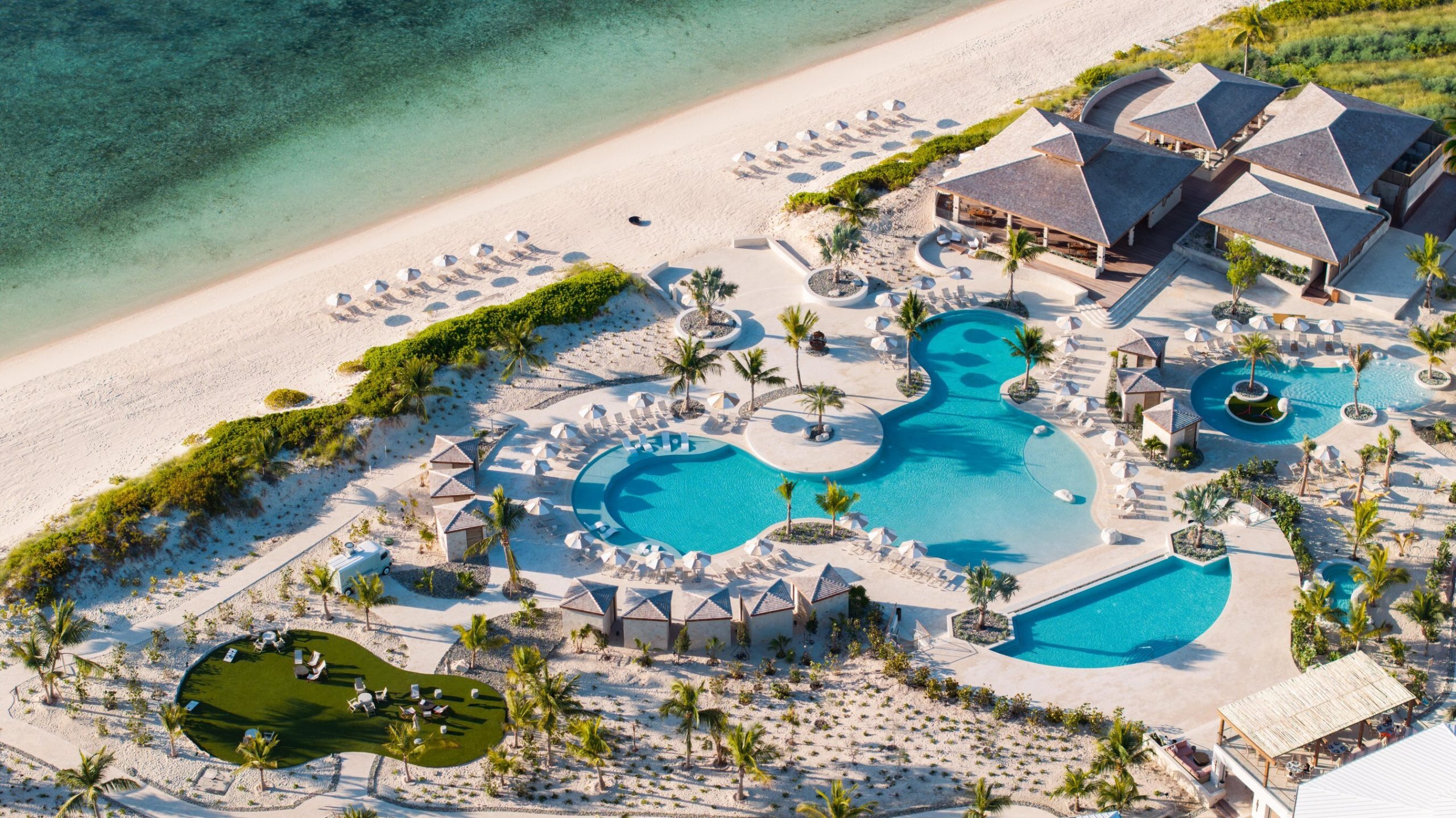
Dated programming gives the trade fixed selling hooks. Salterra, a Luxury Collection Resort and Spa, South Caicos, is running Ocean Explorers Week through July and August, with junior marine biology sessions at its coral reef consortium, reef and salt pond visits, and a PADI Discover Scuba option for teenagers. The same property hosts a three-day food and wine event with chef Adrian Forte in November, built around an island cookout and a chef-led dinner.
At The Ritz-Carlton, Grand Cayman, guest programming runs through Jean-Michel Cousteau’s Ambassadors of the Environment, alongside a kitchen-side session at Blue by Eric Ripert, Stingray City excursions and guided mangrove kayaking.
Marriott is also packaging sunset programming under the “dusking” label. The St. Regis Costa Mujeres Resort, Cancún, which opened in late June with 163 rooms and suites, runs the brand’s champagne sabrage ritual each evening. W Punta de Mita holds a weekly Golden Hour session at its Living Room Bar, with spa rituals and sound healing alongside. Solaz, a Luxury Collection Resort, Los Cabos, runs a monthly Jazz and Wine event on Baja Beach and daytime art walks, café de olla tastings and tortilla lessons.
The supporting Grand Getaways promotion offers up to 10% off premium rooms on stays of two nights or more at participating properties.
Marriott operated 10,000 properties in 146 countries and territories as of June 11. Its luxury group runs more than 560 hotels, resorts and yachts across over 70 countries.
Why it matters for the trade
The commercial signal here is itinerary length, not new inventory. Marriott is packaging city-to-coast pairings within a single portfolio, which lets agents build two-centre Mexico programmes without cross-chain rate negotiation and keeps commission consolidated.
The dated events are the more useful sell. Ocean Explorers Week gives a family booking hook through the summer, and the November food and wine event at Salterra falls in Turks and Caicos shoulder season, when South Caicos rates are softer and airlift is thinner. Operators building small-group culinary product should be looking at that date now, not in October.
Siari and Costa Mujeres both need distribution support. Siari opened in November 2025 into a Riviera Nayarit market where Ritz-Carlton Reserve has no established rate history, and Costa Mujeres opened in late June at entry rates above $650 a night before Mexican taxes and service charges, which add materially to the final figure. Advisors quoting Costa Mujeres should be building the all-in number into the initial proposal.
The Grand Getaways discount at up to 10% on a two-night minimum is a shallow incentive by regional standards. Its value to the trade is as a closing device on an already-decided booking rather than as a demand driver.
“Dusking” is a marketing construct rather than a measured shift in guest behaviour, but the underlying product, scheduled evening activity with a fixed time and place, is genuinely easier to sell into an itinerary than open-ended resort access.