
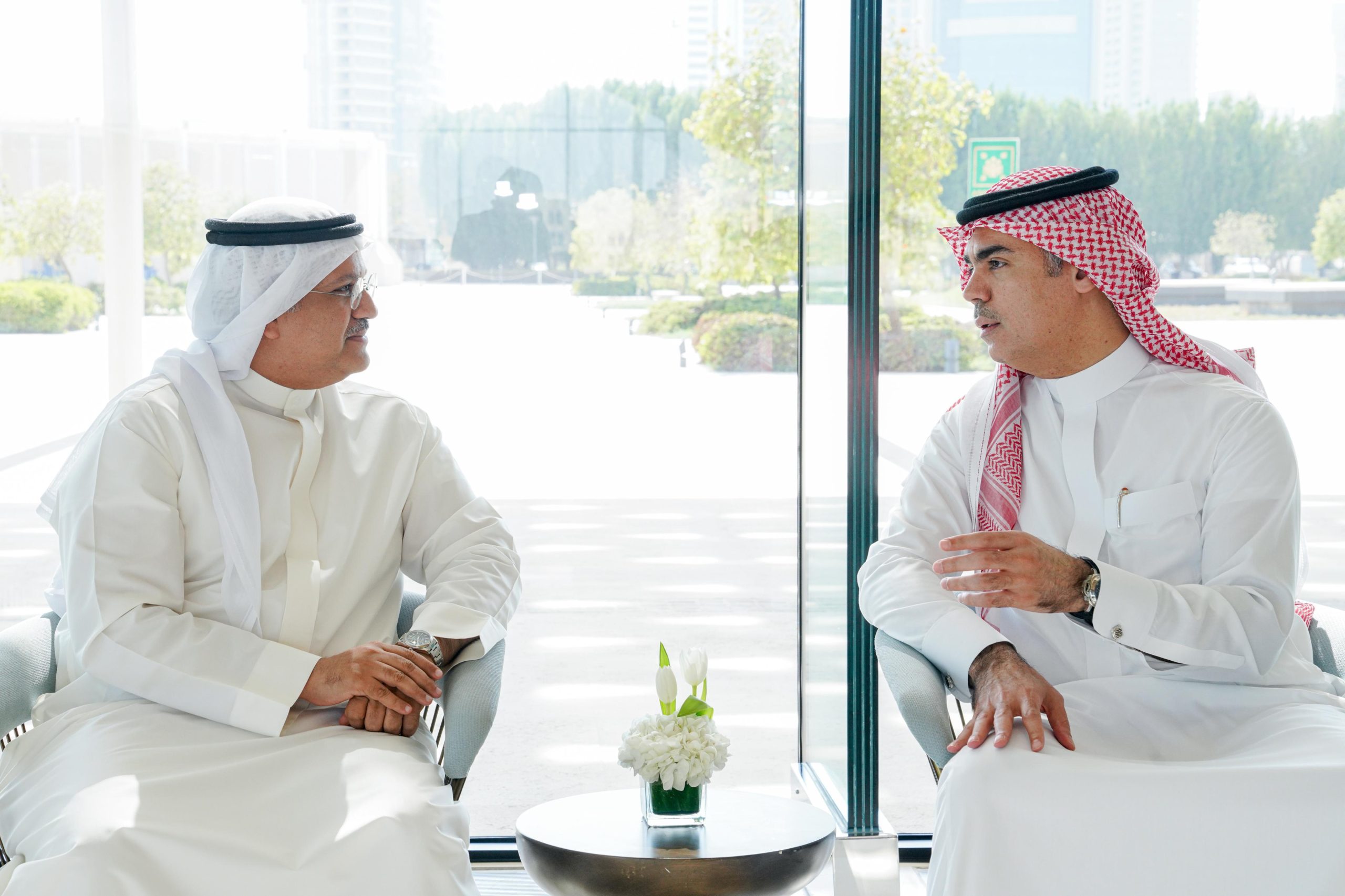
Bahrain has signed its participation contract for Expo 2030 Riyadh, moving its involvement in the World Expo from confirmation into planning and pavilion construction, according to an Expo 2030 Riyadh statement.
The contract, one of a series the Saudi organisers are now securing from more than 145 confirmed countries, gives Bahrain the legal framework to build its pavilion and programming for the six-month event, part of Riyadh’s use of mega-projects to project regional leadership and draw investment under its Vision 2030 diversification drive.
The agreement was signed in Bahrain by Talal Al-Marri, chief executive of Expo 2030 Riyadh, and Khalifa bin Ahmed Al Khalifa, president of the Bahrain Authority for Culture and Antiquities. Bahrain is expected to build a sustainable pavilion designed to outlast the event and join the site’s Global Village.
Al Khalifa said Bahrain’s participation showed the ties between Manama and Riyadh and the kingdom’s aim to strengthen its international presence.
Al-Marri said the signing showed participating countries moving “from confirming their participation to delivering what they will bring to Riyadh in 2030.”
The deal follows the signing of France’s participation contract in Paris in August, on the sidelines of a visit by Saudi Crown Prince and Prime Minister Mohammed bin Salman. It also builds on a headquarters agreement between Saudi Arabia and the Bureau International des Expositions, the Paris-based body that sanctions World Expos, setting the terms for participating states and organisations.
Expo 2030 Riyadh runs from October 1, 2030 to March 31, 2031 under the theme “Foresight for Tomorrow.” The organisers expect more than 200 official participants and 42mn visits across a 6mn square metre site.
Participation contracts are the point at which Expo commitments convert into real pavilion budgets, procurement and inbound travel planning, so each signing is a signal to contractors, event operators and destination marketers of firming demand around a fixed 2030-31 window.
For the Gulf trade specifically, a six-month Expo drawing a projected 42mn visits reshapes regional air capacity, hotel pipelines and cross-border packaging, with Bahrain positioned to capture spillover via the King Fahd Causeway. The near-term read is scale and timeline confidence; the caveat is that headline visit forecasts for World Expos routinely run ahead of outturn.
