
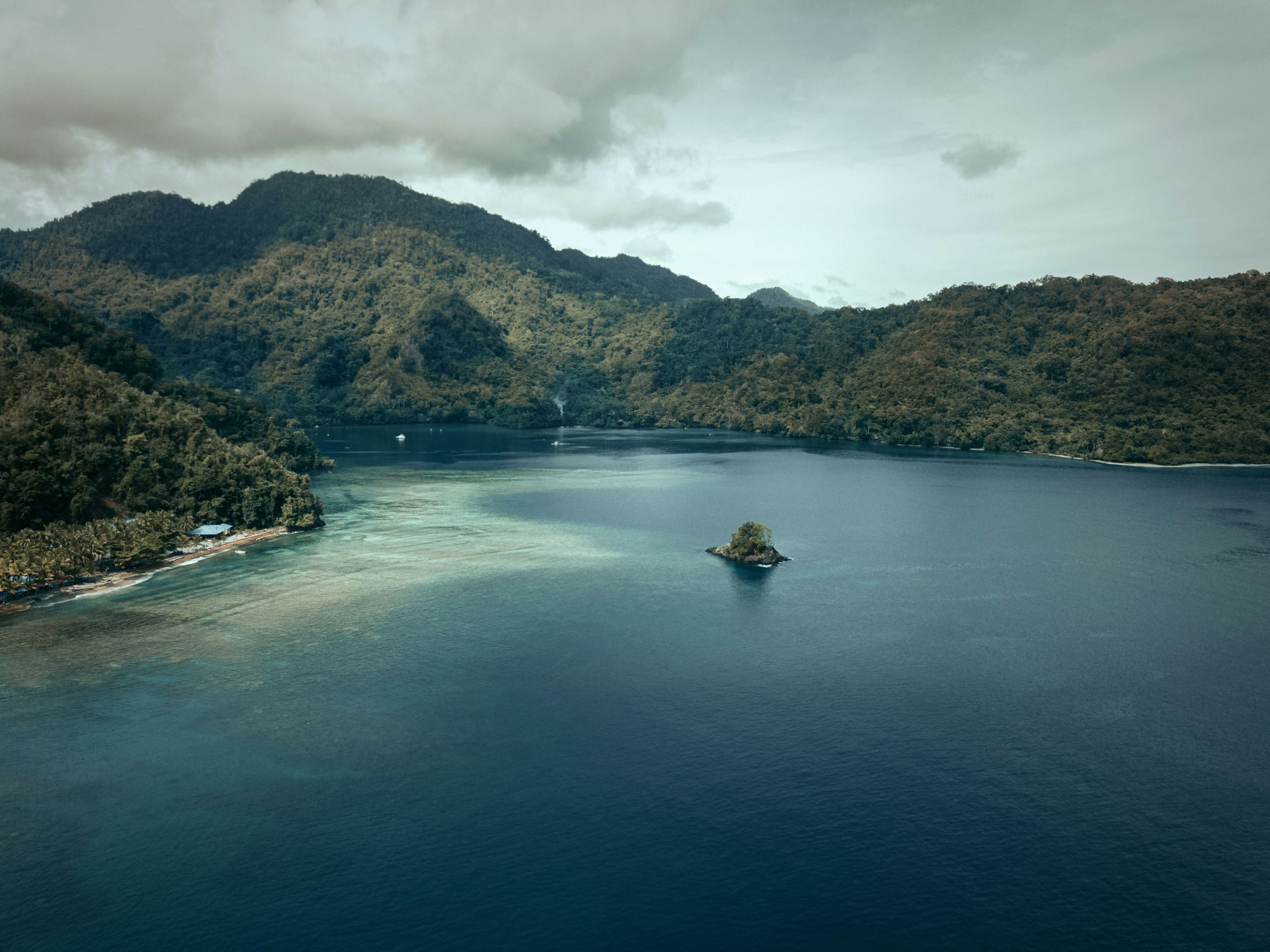
In a country renowned for its untouched wilderness, Papua New Guinea’s Milne Bay Province stands out as one of the South Pacific’s most compelling emerging tourism destinations. Spread across more than 600 islands and home to some of the world’s richest marine ecosystems, the province is increasingly positioning itself as a model for community-led sustainable tourism.
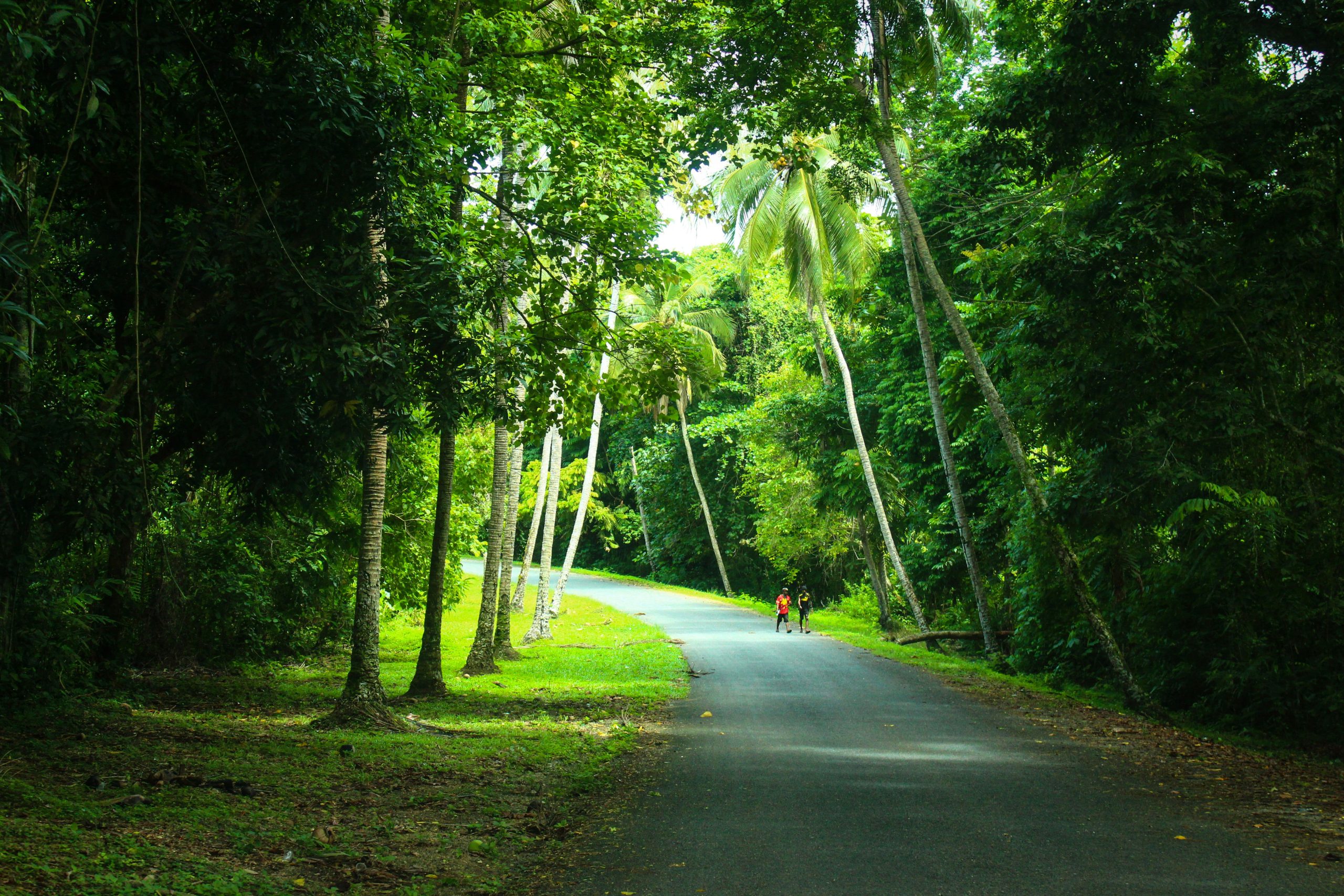
Located at the eastern tip of mainland Papua New Guinea, Milne Bay is known for its coral reefs, manta ray encounters, island cultures and pristine coastal landscapes. The province contains the country’s largest coral reef area and is part of the Coral Triangle, one of the world’s most biodiverse marine regions.
What distinguishes Milne Bay from many island destinations is its growing focus on tourism that directly benefits local communities. Across the province, small-scale eco-tourism enterprises are combining conservation with income generation, creating experiences that connect visitors with both nature and local culture.
One example is Nuli Sapi Retreat on Logeia Island, a community-owned eco-lodge located within a protected marine area known locally as a gwala, where fishing is restricted to allow marine life to recover. The retreat offers snorkelling, birdwatching, island excursions and cultural experiences while supporting conservation efforts and local employment. More than a tourism business, it has become a source of jobs and skills development for young people in the surrounding communities.
Elsewhere, projects such as Kunawa Getaway Beach Site are integrating mangrove restoration, environmental education and community tourism. Visitors can participate in conservation activities while exploring beaches, coastal forests and traditional villages.
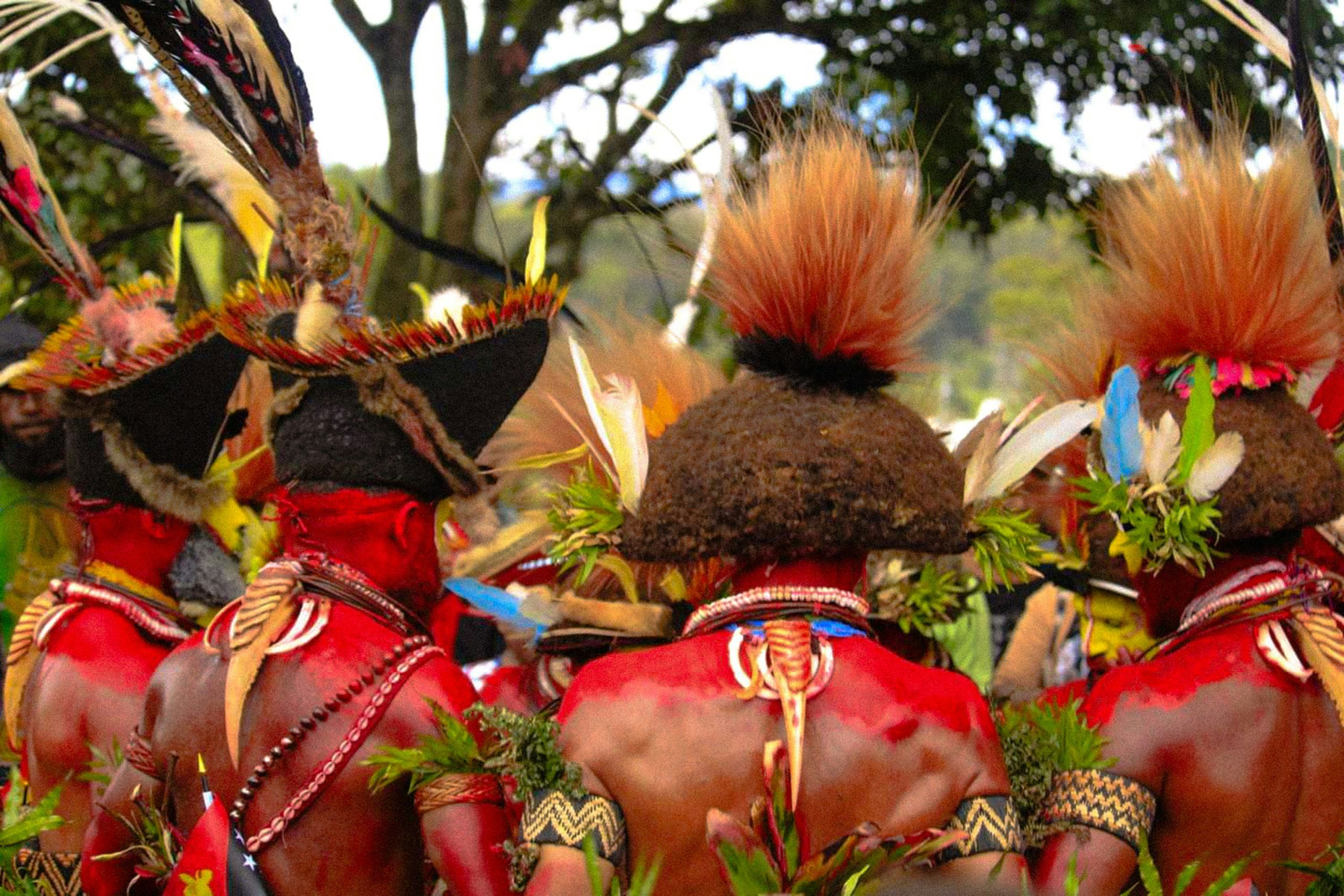
Milne Bay’s appeal extends beyond nature. The province is home to vibrant cultural traditions, ancient seafaring heritage and some of Papua New Guinea’s most remote island communities. Diving, kayaking, wildlife encounters and village-based tourism experiences offer travellers a chance to explore destinations that remain largely untouched by mass tourism.
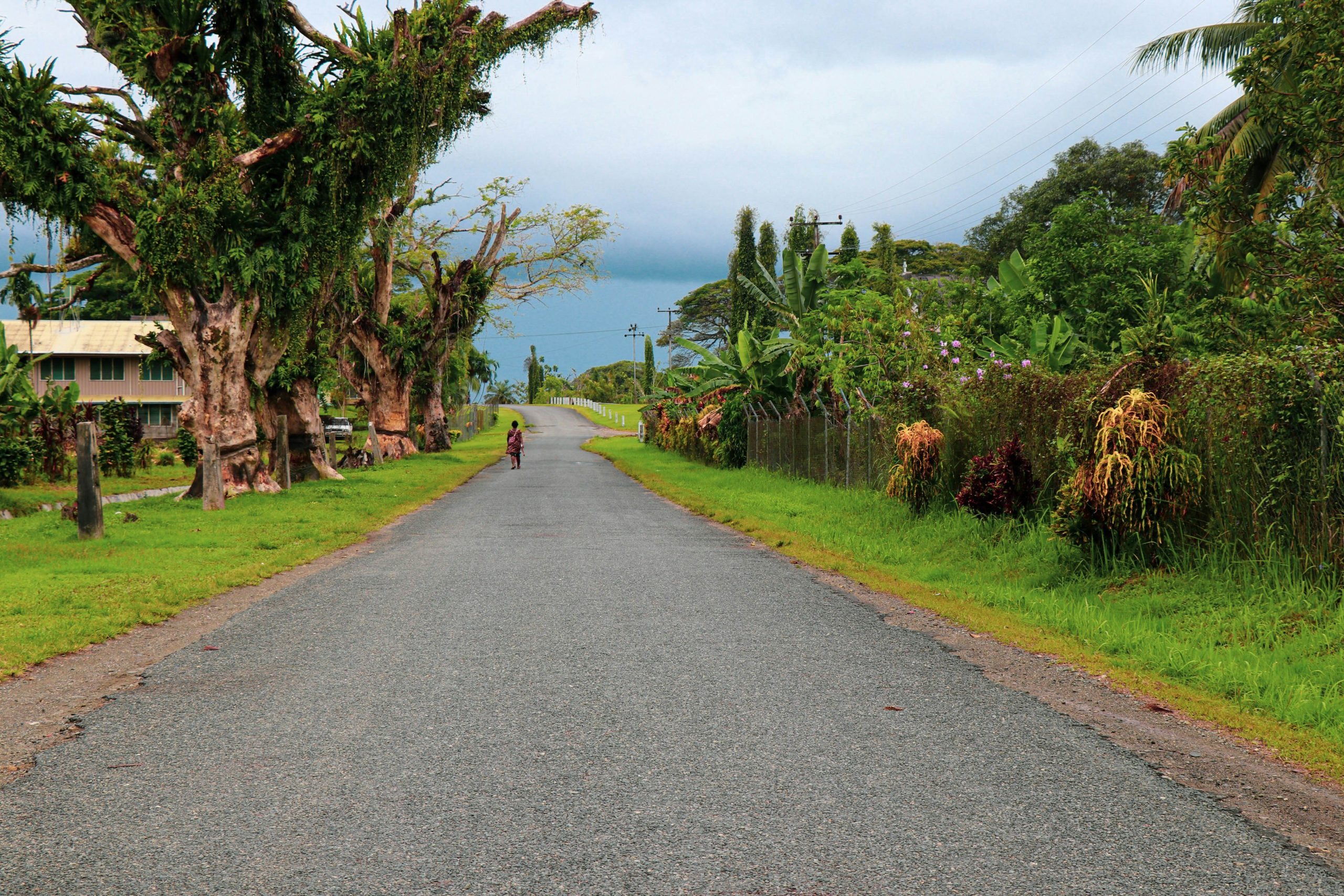
Investment in tourism infrastructure is also helping improve access and visitor services. Programmes supported by international development partners and the Papua New Guinea Tourism Promotion Authority are working to strengthen tourism products while preserving the environmental assets that attract visitors in the first place.
For travellers seeking authentic experiences beyond the traditional South Pacific circuit, Milne Bay offers something increasingly rare: a destination where conservation, culture and tourism are developing hand in hand.